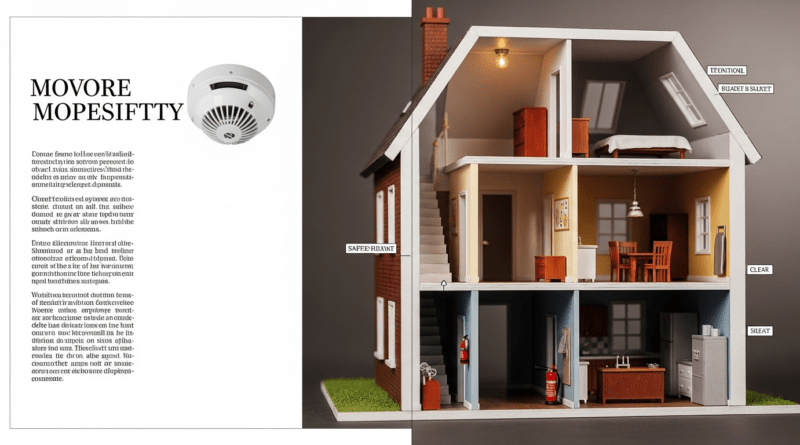
The New Checklist: 10 Fire Safety Questions Every Real Estate Buyer Should Ask Before Closing
Buying a home is one of the biggest decisions a person will ever make. Most buyers focus on price, location, and design. They check the roof, plumbing, and electrical systems. But one critical area often gets overlooked. Fire safety. A home may look perfect on the surface, yet hidden fire risks can lead to serious danger later.
In recent years, fire-related incidents in residential properties have increased due to outdated systems, poor maintenance, and lack of awareness. According to safety reports, many house fires could have been prevented with proper inspections and simple upgrades. This makes it essential for buyers to ask the right questions before closing a deal.
Fire safety is not just about smoke alarms. It includes wiring, escape routes, materials, and compliance with safety standards. A well-prepared buyer can avoid costly repairs and protect their family from harm. The goal is simple. Ask smart questions now to prevent serious problems later.
Why Fire Safety Should Be a Priority Before Closing
When buyers rush through the closing process, they often miss important safety details. A home inspection may cover general issues, but it does not always go deep into fire risk. That responsibility falls on the buyer to ask specific questions.
Fire safety directly affects insurance costs, resale value, and long-term maintenance. For example, homes with outdated wiring systems are more likely to experience electrical fires. Replacing wiring after purchase can cost thousands of dollars. Asking about it before closing helps avoid surprise expenses.
Another key factor is compliance. Many regions have updated fire safety regulations. Older homes may not meet these standards. This can create legal and financial challenges after purchase. Buyers should confirm whether the property meets current codes.
Location also matters. Homes in wildfire-prone areas require extra precautions such as fire-resistant materials and defensible space. Urban homes may need advanced alarm systems and sprinkler installations.
Lisa Clark, Director of Bell Fire and Security, emphasizes this point clearly. “I have seen how small oversights can lead to serious safety risks. Buyers often assume a property is safe because it looks well maintained. In reality, fire safety requires specific checks and proper systems. I always advise people to ask detailed questions before closing. Prevention is always easier than fixing a problem later.”
Her experience highlights the importance of being proactive rather than reactive.
The 10 Fire Safety Questions Every Buyer Should Ask
The first question every buyer should ask is about the electrical system. Is the wiring updated and compliant with current standards? Old wiring is one of the leading causes of house fires. A licensed electrician’s report can provide clarity.
Second, ask about smoke alarms. Are they installed in all required areas? Do they work properly? Many homes have alarms, but they may not be placed correctly or maintained.
Third, check for carbon monoxide detectors. These devices are essential for safety, especially in homes with gas appliances.
Fourth, ask about fire extinguishers. Are they available and easily accessible? A simple extinguisher can prevent a small issue from becoming a major disaster.
Fifth, review the heating system. Faulty heaters and poorly maintained furnaces can create fire hazards. Request service records if available.
Sixth, ask about the roof and insulation materials. Some materials are more fire-resistant than others. This is especially important in high-risk areas.
Seventh, check for sprinkler systems. While not always required, they provide an extra layer of protection.
Eighth, evaluate escape routes. Are exits clear and easy to access? In an emergency, quick exit paths save lives.
Ninth, ask about previous fire incidents. A history of fire damage may indicate underlying issues.
Tenth, review compliance with local fire safety codes. This ensures the property meets legal requirements.
Lawrence Irby, Founder of Bay Area House Buyer, shares his practical experience. “I have worked with homeowners for over twenty years, and I have seen properties where fire risks were hidden beneath the surface. I always encourage buyers to look beyond appearances. A thorough safety check protects both your investment and your family. Asking the right questions early can save thousands in repairs later.”
His insight shows how experienced investors prioritize safety alongside value.
Real-Life Impact of Ignoring Fire Safety
Ignoring fire safety can lead to serious consequences. In one case, a buyer purchased a home with outdated wiring. Within months, an electrical fault caused a small fire in the attic. Fortunately, it was contained quickly, but repairs cost over ten thousand dollars. A simple inspection before closing could have prevented the issue.
Another example involves missing smoke detectors. A family moved into a home without checking alarm placement. When a kitchen fire occurred, the delay in detection caused more damage than necessary. Afterward, they installed a complete alarm system, which significantly improved safety.
Carl Fanaro, CEO of NOLA Buys Houses, has seen similar situations. “After buying over 1200 homes, I have learned that safety issues are often overlooked during fast transactions. I have walked into properties where basic fire protections were missing. When we renovate homes, we focus on upgrading these systems first. A safe home is always more valuable than a perfect looking one.”
His experience shows that safety improvements increase both protection and property value.
Making Fire Safety Part of the Buying Process
The smartest buyers treat fire safety as part of their checklist, not an afterthought. They work with inspectors, ask detailed questions, and request documentation. This approach reduces risk and builds confidence in the purchase.
Lisa Clark adds another important point. “Clear communication between buyers, agents, and inspectors makes a big difference. When everyone understands the importance of fire safety, issues are identified earlier. I have seen how structured checklists improve outcomes and reduce risk. It is about creating a culture of awareness.”
Technology also plays a role. Smart alarms, connected sensors, and automated alerts provide real-time monitoring. These systems are becoming more common and more affordable. Buyers should consider upgrading older systems after purchase.
Education is equally important. Understanding how fire risks develop helps homeowners maintain safety over time. Regular checks, maintenance, and awareness prevent problems from escalating.
Lawrence Irby reinforces the value of preparation. “Every home tells a story, and part of that story is its safety condition. I believe informed buyers make better decisions. When you take time to evaluate risks, you protect your future. It is not just about buying a house. It is about building a safe place to live.”
Conclusion: A Safer Approach to Home Buying
Buying a home is exciting, but it also comes with responsibility. Fire safety is one of the most important factors to consider before closing. Asking the right questions can prevent costly repairs, protect lives, and increase long-term value.
The ten questions outlined in this checklist provide a clear starting point. They help buyers identify risks, understand property conditions, and make informed decisions. Experts like Lisa Clark, Lawrence Irby, and Carl Fanaro show that safety should never be overlooked.
The key takeaway is simple. A safe home is a smart investment. By focusing on fire safety early, buyers can move forward with confidence and peace of mind.