Designing Outdoor Spaces That Make Entertaining Effortless and Enjoyable
Outdoor entertaining has taken on a new level of importance in recent years. What was once limited to occasional gatherings has become a regular part of how people host, relax, and connect. As a result, homeowners are paying closer attention to how their outdoor spaces are designed, not just for appearance but for ease of use and comfort.
Creating a space that supports entertaining requires more than adding furniture or décor. It involves thoughtful planning, strategic layout, and features that make hosting feel natural rather than complicated. When these elements come together, outdoor areas transform into functional, inviting extensions of the home.
Understanding What Makes an Outdoor Space Entertaining-Friendly
An effective entertaining space begins with usability. Guests should be able to move comfortably, find seating easily, and enjoy the environment without obstacles. This means considering layout, flow, and accessibility from the very beginning.
Designing with intention helps avoid common issues such as overcrowding or awkward transitions between areas. A well-structured outdoor space feels open yet purposeful, allowing different activities to happen simultaneously without conflict.
Creating Zones for Different Activities
Dividing the space into functional zones can make a significant difference. A dining area, a lounging section, and a shaded retreat can coexist when thoughtfully arranged. This not only improves organization but also enhances the overall experience for guests.
Each zone should feel connected while still serving a distinct purpose. This balance ensures that the space remains cohesive without becoming cluttered.
The Role of Covered Structures in Outdoor Comfort
Comfort is one of the most important factors in outdoor entertaining, and it often depends on protection from the elements. Direct sunlight, unexpected rain, or excessive heat can quickly disrupt even the best-planned gathering. Covered structures help address these challenges by providing consistent shelter.
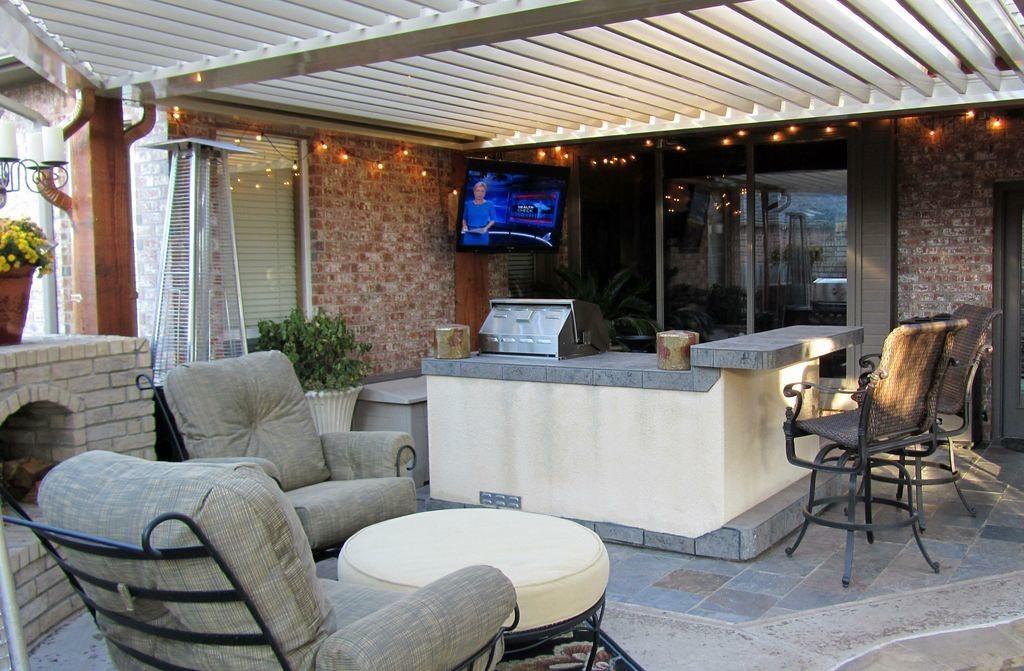
Homeowners seeking dependable and well-designed solutions often consider alumawood patio covers from providers like Royal Covers, where durability and design integration are key considerations. These structures not only improve comfort but also create defined areas that feel intentional and inviting.
By incorporating covered features, outdoor spaces become more versatile, allowing gatherings to continue regardless of changing weather conditions.
Enhancing Ambiance Through Structure
Covered areas do more than provide protection—they contribute to the atmosphere of the space. They create a sense of enclosure that makes gatherings feel more intimate while still maintaining an open-air environment.
When paired with lighting and seating, these structures can become focal points that anchor the entire design.
Drawing Inspiration From Modern Patio Designs
Design inspiration plays a valuable role in shaping outdoor spaces. Exploring ideas such as those found in creative patio design collections can help homeowners visualize how different elements come together. From layout concepts to material choices, these resources offer practical guidance.
One common theme in modern patio design is the emphasis on simplicity and functionality. Clean lines, durable materials, and thoughtful placement often create more impactful results than overly complex arrangements.
Adapting these ideas to fit personal preferences ensures that the final space feels both stylish and practical.
Making Outdoor Entertaining More Convenient
Convenience is a key factor that determines how often an outdoor space is used. Features that simplify hosting—such as accessible seating, nearby storage, and clear pathways—can make a noticeable difference.
For those looking to refine their setup, insights from practical patio entertaining strategies highlight how small adjustments can improve the overall experience. These ideas focus on making gatherings feel effortless rather than overly planned.
When convenience is prioritized, hosting becomes more enjoyable for both the homeowner and their guests.
Reducing Setup and Cleanup Effort
Designing with efficiency in mind can significantly reduce the effort required before and after gatherings. Durable surfaces, easy-to-clean materials, and well-organized layouts all contribute to a smoother experience.
This approach ensures that entertaining remains a pleasure rather than a chore.
Choosing Materials That Support Durability and Style
Outdoor spaces must withstand constant exposure to weather and use, making material selection a critical decision. Durable materials help maintain the appearance of the space while minimizing maintenance requirements.
Options such as treated metal, weather-resistant fabrics, and sealed surfaces offer both resilience and visual appeal. These materials are designed to handle environmental stress without compromising on style.
Investing in quality materials ensures that the space remains functional and attractive over time.
Creating a Seamless Indoor-Outdoor Connection
A well-designed entertaining space should feel like a natural extension of the home’s interior. This connection enhances usability and creates a more cohesive living experience. Elements such as consistent color schemes, complementary textures, and aligned layouts help achieve this effect.
When indoor and outdoor spaces are visually connected, the transition between them feels effortless. This not only improves the flow of the home but also makes the outdoor area more inviting.
Seamless integration encourages more frequent use, turning the space into a central part of everyday living.
Designing for Flexibility and Changing Needs
Outdoor entertaining needs can evolve over time. What works for small gatherings may need to adapt for larger events or different activities. Designing with flexibility allows the space to accommodate these changes without requiring major adjustments.
Modular furniture, multi-purpose areas, and adaptable layouts all contribute to a more versatile design. Covered structures, in particular, offer flexibility by serving multiple functions depending on the occasion.
This adaptability ensures that the space continues to meet changing needs while maintaining its overall appeal.
Maximizing Year-Round Use
Features that provide comfort and protection extend the usability of outdoor spaces beyond seasonal limitations. By addressing environmental factors, homeowners can create areas that remain functional throughout the year.
This approach not only increases the value of the space but also enhances its role in daily life.
Conclusion
Designing an outdoor space for entertaining requires a balance of comfort, functionality, and thoughtful planning. By focusing on usability, incorporating protective features, and choosing durable materials, homeowners can create environments that make hosting feel natural and enjoyable.
The most successful spaces are those that adapt to different needs while maintaining a cohesive design. With the right approach, outdoor areas can become vibrant extensions of the home, offering both convenience and lasting appeal for every gathering.