Tin & Tallow: Hilton Head’s Gourmet Burger Destination
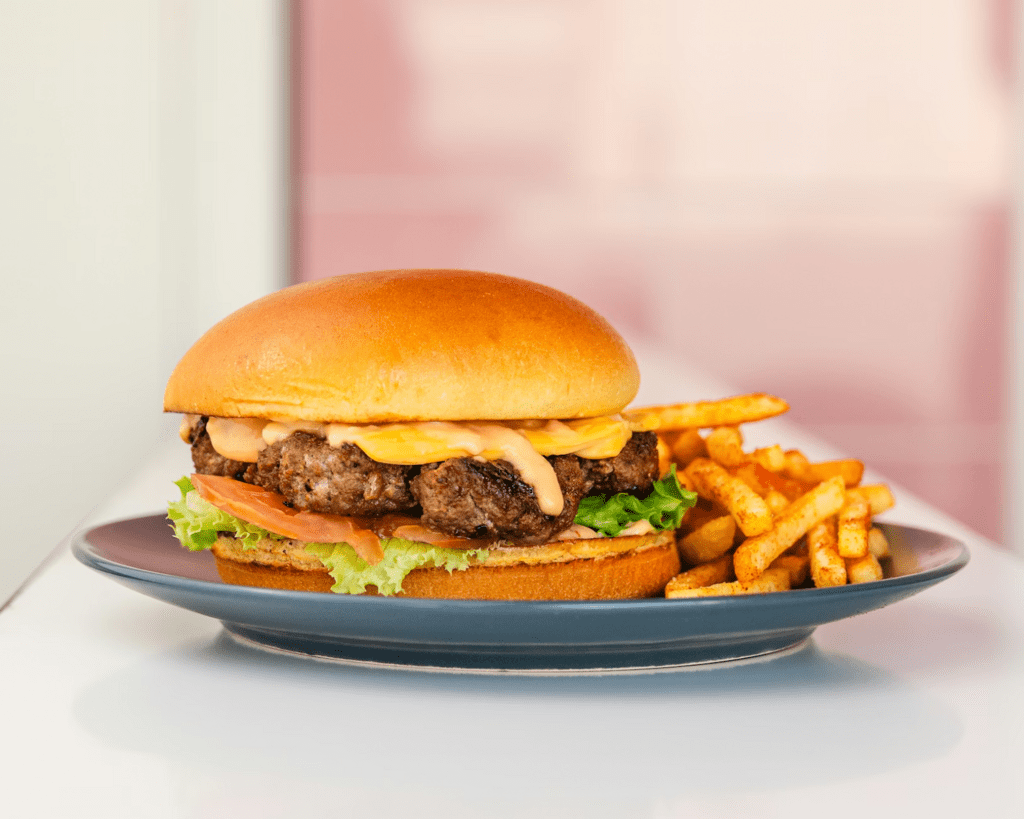
In a coastal town known more for seafood than red meat, Tin & Tallow has quietly built a reputation for serving what many consider the best burger in Hilton Head. The restaurant’s approach is deceptively simple: source quality beef, cook it in rendered beef fat, and let the ingredients speak for themselves.
What sets this burger apart isn’t gimmickry or Instagram-worthy presentation. It’s the deliberate choice to use beef tallow—a cooking fat that fell out of favor decades ago but is experiencing a renaissance among chefs who prioritize flavor over convenience. The result is a burger that tastes distinctly different from what most Americans have come to expect from their local grill.
Why Beef Tallow Changes Everything
Beef tallow is rendered fat from cattle, traditionally used in cooking before the rise of vegetable oils in the mid-20th century. Its high smoke point and rich flavor profile make it particularly well-suited for high-heat cooking methods like searing and frying.
At Tin & Tallow, this old-world fat serves multiple purposes in their burger preparation:
- Flavor Enhancement: Tallow amplifies the natural beef taste rather than masking it, creating a more pronounced savory profile
- Texture Control: The fat renders at high heat to create a caramelized crust while keeping the interior juicy
- Moisture Retention: Unlike leaner cooking methods, tallow-based cooking prevents the patty from drying out
The technique bears similarities to the smash burger method popularized by regional chains, but with a crucial difference. Where most smash burgers rely on the beef’s own fat content, Tin & Tallow’s approach introduces additional tallow to the cooking surface, intensifying the Maillard reaction that creates that sought-after crust.
The Nutritional Case for Animal Fats
For decades, saturated fats like beef tallow were vilified by nutritionists and health organizations. That consensus has begun to shift as researchers reexamine the relationship between dietary fat and health outcomes.
Beef tallow offers several nutritional advantages over heavily processed seed oils:
- Fat-Soluble Vitamins: Contains vitamins A, D, E, and K in their most bioavailable forms
- Heat Stability: Resists oxidation at high temperatures, unlike polyunsaturated oils that can form harmful compounds when heated
- Conjugated Linoleic Acid: Grass-fed tallow contains CLA, which some studies associate with improved metabolic health
- Minimal Processing: Requires only rendering, avoiding the chemical extraction methods used for most vegetable oils
This doesn’t make a burger a health food, but it does represent a return to traditional fats that humans consumed for millennia before the industrial food system replaced them with cheaper alternatives.
Beyond the Signature Burger
While the burger draws most of the attention, Tin & Tallow’s menu demonstrates a broader commitment to tallow-based cooking. The beef tallow fried chicken wings showcase the fat’s versatility—the high smoke point creates an exceptionally crispy exterior without the greasy mouthfeel common to wings fried in vegetable oil.
The breakfast menu takes a similar approach, using tallow for hash browns and breakfast potatoes that achieve a golden-brown crust rarely seen outside of high-end brunch spots. For visitors searching for breakfast in Hilton Head that goes beyond the standard hotel buffet, the morning offerings provide a compelling alternative.
Seasonal specials rotate based on local availability, though the core menu remains consistent—a deliberate choice that allows the kitchen to perfect each dish rather than constantly chasing trends.
Pairing Beer with Rich, Fatty Foods
The richness of tallow-cooked burgers presents both a challenge and an opportunity for beverage pairing. The high fat content can coat the palate, which is where the right beer selection becomes crucial.
Consider these pairing principles when ordering:
- Bitter Balances Fat: IPAs and pale ales cut through richness with hop bitterness, cleansing the palate between bites
- Carbonation as a Reset: Highly carbonated lagers and pilsners provide a refreshing contrast to heavy, savory flavors
- Complementary Richness: Stouts and porters match the burger’s intensity rather than contrasting it, creating a cohesive flavor experience
Successful beer and burger pairings often depend on the toppings and condiments as much as the patty itself. A burger with sharp cheddar and pickles calls for different beer characteristics than one topped with blue cheese and caramelized onions.
The Lunch Rush and Dining Atmosphere
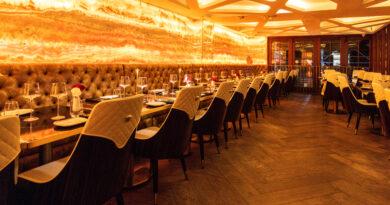
Tin & Tallow occupies a space that feels more neighborhood gathering spot than tourist destination, despite its location in a town that sees millions of visitors annually. The lunch service attracts a mix of locals on their break and visitors who’ve done their research beyond the typical Hilton Head restaurant guides.
What makes it work as a lunch destination:
- Efficient Service: The kitchen’s focus on a refined but limited menu allows for consistent timing even during peak hours
- Casual Atmosphere: The space avoids the forced coastal theming common to Lowcountry restaurants
- Reasonable Pricing: Gourmet burgers remain accessible rather than positioned as a premium splurge
For those seeking the best lunch in Hilton Head without the wait times of waterfront establishments, the restaurant offers a practical alternative that doesn’t sacrifice quality for convenience.
The Broader Tallow Revival
Tin & Tallow’s success reflects a larger trend in American dining. Chefs across the country have begun reintroducing beef tallow to their kitchens, particularly for applications where its properties offer clear advantages over modern alternatives.
This revival isn’t purely nostalgic. It represents a reassessment of why certain traditional cooking methods persisted for centuries before being displaced by industrial food production. When McDonald’s switched from beef tallow to vegetable oil for its fries in 1990, it was responding to public health campaigns against saturated fat. Three decades later, the scientific consensus on dietary fat has evolved considerably, and restaurants are adjusting accordingly.
The challenge for restaurants adopting tallow is sourcing. Unlike commodity vegetable oils, quality tallow requires relationships with butchers and rendering facilities. It’s more expensive, more labor-intensive, and less shelf-stable. These practical barriers explain why the tallow revival remains concentrated among independent restaurants rather than chains.