The Art of Choosing Bridal Fabrics: How Modern Designers Transform Materials into Meaningful Wedding Looks
Bridal fashion has evolved far beyond traditional silhouettes and predictable textures. Today’s designers pay close attention to the bridal fabrics they select, knowing that the right material shapes not only the structure of a gown but also its emotional and visual impact. From shimmering silk satins to delicate lace remnants, the modern approach focuses on craftsmanship, sustainability, and storytelling through textiles.
Why Bridal Fabrics Matter More Than Ever
In contemporary wedding design, fabric is not just a medium—it is the essence of the gown. Bridal fabrics determine how a dress moves, how it photographs, and how it feels against the skin. Designers now treat fabric selection as the most crucial step in the creative process, often choosing materials that elevate the originality and authenticity of the final look.
High-quality textiles also allow for more precise tailoring. Whether creating structured corsetry or fluid drapes, premium bridal fabrics support the technical demands of a gown while adding depth and dimension.
A Modern Shift: The Rise of Deadstock Bridal Fabrics
One of the most notable trends in the industry is the use of deadstock materials—high-quality leftover fabrics from previous production cycles. Instead of letting these textiles sit forgotten in warehouses, designers repurpose them to craft contemporary bridal pieces that feel fresh and meaningful.
Deadstock bridal fabrics often come in limited quantities, naturally encouraging unique, small-batch creations. This scarcity pushes designers to experiment more boldly, blending sustainability with artistry. For many modern brides, wearing a gown made from revived materials adds a deeper connection to the story behind the dress.
Textures That Inspire Today’s Bridal Designers
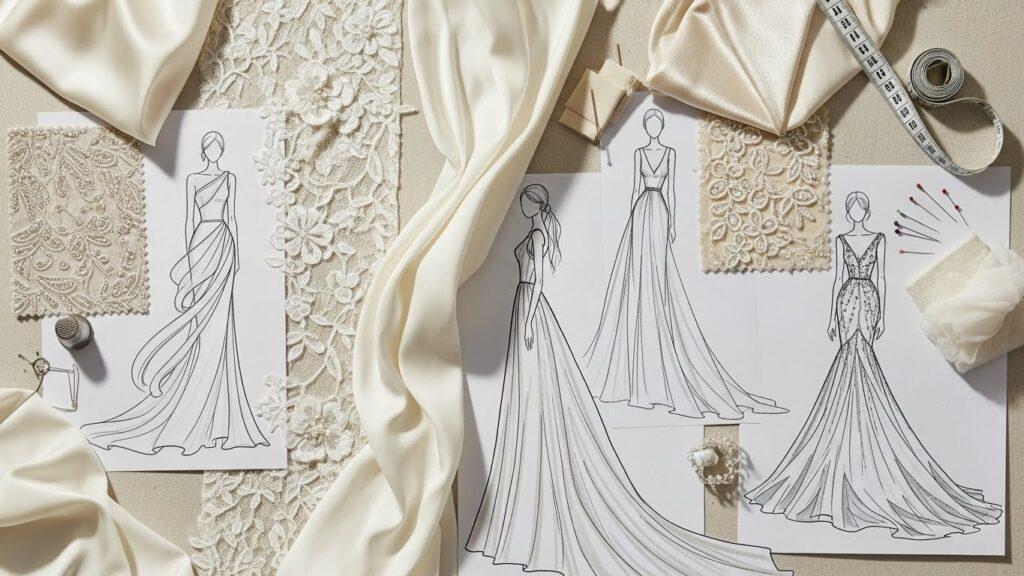
Innovation in bridal fashion often begins with touch and movement. Designers explore how different bridal fabrics affect the silhouette and mood of a gown:
- Silk and Satin: Known for their lustre and softness, these luxurious options create timeless, fluid looks.
- Organza and Tulle: Lightweight, airy fabrics perfect for voluminous skirts and ethereal layers.
- Lace: A classic bridal textile that continues to evolve with modern patterns and hand-crafted details.
- Crepe: Loved for its clean lines, matte finish, and ability to create minimal, architectural designs.
- Brocade and Jacquard: Textured fabrics that add depth, perfect for brides seeking something bold yet refined.
By experimenting with these materials—and combining them in unconventional ways—designers can redefine what a wedding gown can be.
Design Inspiration Through Material Exploration
Many modern bridal looks start with the discovery of a single exceptional fabric. Designers may come across a roll of forgotten lace or a uniquely textured organza, allowing the textile itself to guide the direction of the dress. This fabric-first method encourages originality, as each material suggests a new silhouette, detail, or feeling.
Deadstock bridal fabrics, in particular, often have distinctive histories. Their origins—sometimes from couture houses, archival collections, or discontinued lines—add character to the gown. A dress crafted from such materials becomes more than a garment; it becomes a piece of living fashion memory.
Balancing Tradition and Modern Craftsmanship
While bridal fashion always honours tradition, today’s designers blend timeless techniques with innovative approaches to elevate the impact of chosen materials. Hand-sewn embellishments, draping, pleating, and couture construction are carefully matched to the physical characteristics of each fabric. The result is a gown that respects heritage while embracing contemporary artistry.
Conclusion
The beauty of modern bridal fashion lies in the thoughtful use of bridal fabrics—both new and deadstock—to craft gowns that are meaningful, expressive, and one-of-a-kind. As designers continue to explore the potential of high-quality materials, the future of wedding style becomes richer, more sustainable, and more creatively inspired. Brides today are not just wearing dresses; they are wearing stories woven from the past and reimagined for the present.