7 Features to Compare Before Buying Stinger Suits
Tapping into the ocean is meant to be a pure pleasure, not a bet against the local marine life. In most tropical areas, where tiny, practically invisible stingers can sting the skin, protective clothing is a must rather than an option.
Not all protective suits are effective and can lead to discomfort or inadequate safety if purchased incorrectly. In this article, you will explore the seven most important features you consider for your final purchase.
1. Fabric Composition and Stretch Recovery
The fabric of your suit influences both its protective power and how long it will remain preserved in salt water. Most high-end apparel is created by blending nylon and elastane to provide a “second skin” fit that closely follows the body. You need a fabric that provides four-way stretch so you can swim, dive and climb back into a boat without feeling tight.
Investigate the fabric’s weight to confirm it’s thick enough to constitute a physical barrier but light enough to dry quickly. A good suit should still maintain its shape after several hours of submersion without turning into a baggy or heavy suit.
2. Comprehensive UV Protection Ratings
You probably bought the suit to keep your skin safe from the elements, but the sun protection is a welcome bonus. When comparing stinger suits, make sure they have a UPF 50+ rating, which blocks out most UV radiation. This is especially significant for snorkelers who spend long periods with their backs exposed to the midday sun.
Reliable UV protection means you’ll reduce your dependence on chemical sunscreens, which serves both your skin and the coral reefs better. Make sure the rating is permanent and won’t wash out after a few trips to the beach. A high-level sun protection suit can help you extend your ocean adventures without painful, peeling burns.
3. Seamless Construction and Flatlock Stitching
Standard seams can often rub against your skin, causing painful chafing or “salt rashes” after an hour’s activity. Seek suits that feature flatlock stitching, which is when the seams lie completely flat against the inside of the fabric. This approach to construction reduces friction and increases overall garment durability under stress.
In high-end suits, the seams are often moved away from high-motion regions like underarms or inner thighs to help with comfort. You should pay attention to these small construction details so that you can wear your suit all day without irritation.
4. Durable Zipper Quality and Placement
The zipper is frequently the first part of a suit to fail, particularly when it’s in contact with corrosive salt and fine sand. Look for heavy-duty, plastic-moulded zippers that are specifically designed for marine use to avoid rust and sticking. A front-entry zipper is usually easier to manage on your own without needing assistance from a friend.
Make sure to check that the zipper has an internal flap or “guard” to prevent the teeth from pinching your skin when closing. Some designs also include a zipper pull cord, which makes it easier to reach if the entry is located on the back. A reliable fastening system ensures that your suit remains securely closed, maintaining your protective barrier at all times.
5. Integrated Stirrups and Thumb Loops
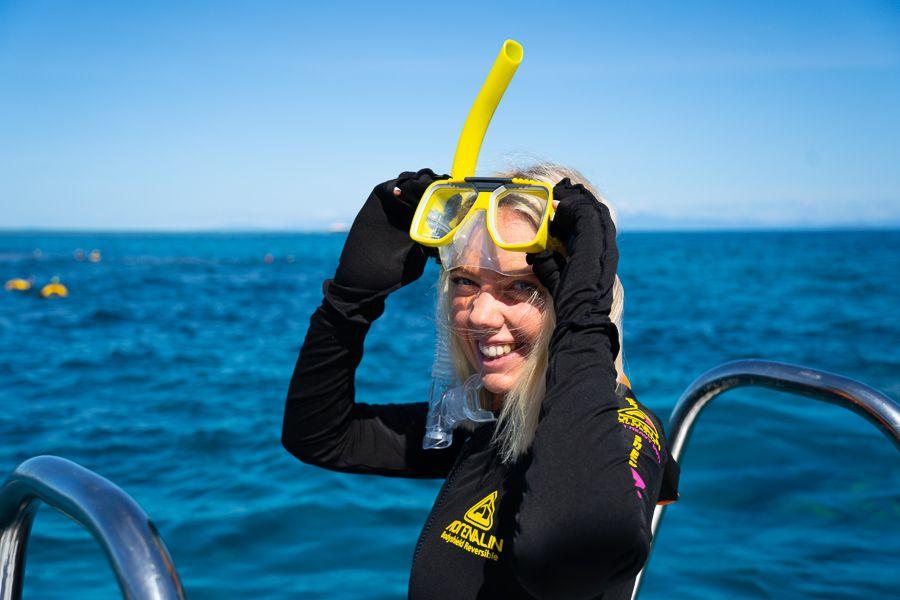
Many high-quality stinger suits have embedded stirrups for the feet and loops for the thumbs. These small extras hold the sleeves and legs perfectly in place, even when you are moving with incredible force. If you plan on wearing fins over a suit, these features will come in particularly helpful because they keep your legs from bunching up around your calves.
By securing your extremities, you make them fit so you won’t have any gaps in your armour where a jellyfish tentacle may slip. They provide a more cohesive, secure fit that keeps you safer in the water.
6. Resistance to Chlorine and Salt Water
Chlorine is a harsh chemical that quickly breaks down the elastic fibres of regular swimwear and causes your swimwear to lose its fit. Most professional-grade suits are treated to resist these chemicals, therefore staying “springy” for much longer.
Salt water, however, can be abrasive, and you should seek materials that won’t pill the surface and snag on rough surfaces. A gear that can be used in both areas is a much more versatile, more cost-effective travel kit. It will save you from replacing your equipment after only one season by checking these durability ratings.
7. Vibrant Visibility and Colour Options
Visibility in the water is a safety feature that many people do not think about in selecting protective clothing. Dark colours are the traditional choice, but bright or high-contrast patterns make it easy for boat operators or lifeguards to see you. It will be especially helpful if you are snorkelling in places with high boat traffic or moving currents.
Bright colours also keep your friends and relatives informed about your whereabouts while you navigate a large reef system. Some patterns can even be created to make them “less attractive” to certain marine life through visual research. Opt for a suit that’s a perfect mix of fashion and high visibility as an extra step for your time out in the ocean.
Invest in Ocean Safety
It’s necessary to compare these features, after all, so you will end up with a piece of gear that meets your needs. A good stinger suit should not just feel like an accessory but also a natural extension of your body, offering invisible protection while you focus on the beauty below.
When you invest in fabric quality, construction, and total coverage, you are making a long-term investment in your physical well-being. So, don’t settle for simplistic designs when your safety is at stake—opt for something that meets the highest standards for marine protection.