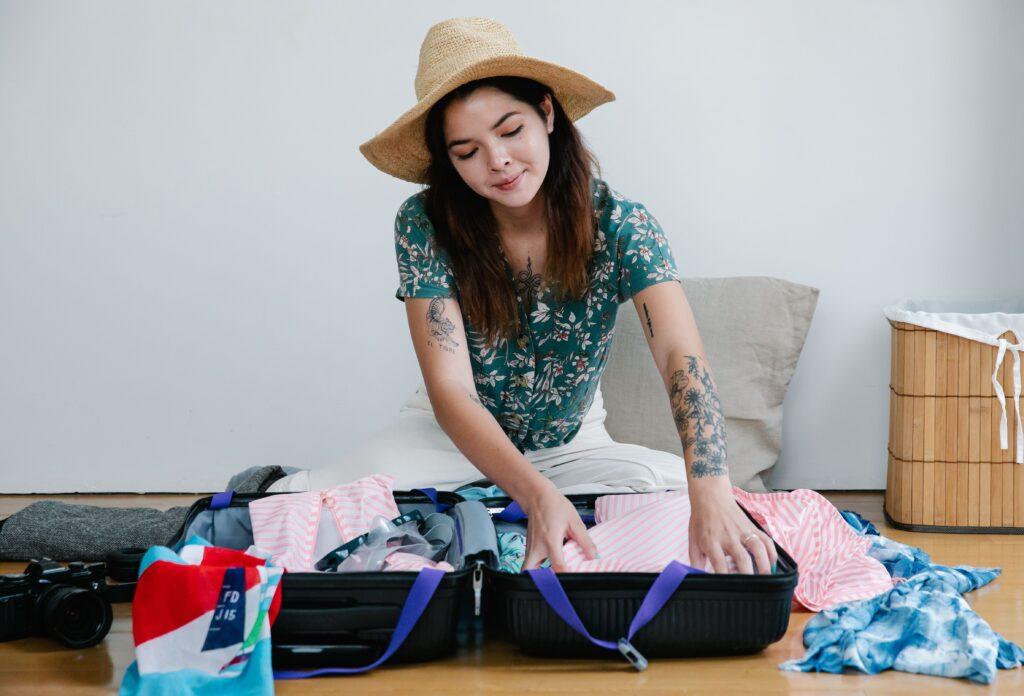
7 Cruise Packing Tips First-Time Travelers Need to Know
You have booked the tickets, picked your itinerary, and counted down the days. Now, you face the ultimate pre-vacation hurdle: packing your suitcase.
Packing for a cruise is unlike preparing for any other type of vacation. You aren’t just packing for one destination; you are packing for a moving resort that experiences shifting weather, enforces specific evening dress guidelines, and features compact living quarters.
If you pack like you are going to a standard hotel, you will likely end up with an overloaded suitcase, an disorganized cabin, and a surprise fee at the airport or port terminal.
To help you hit the high seas with confidence, here are seven essential cruise packing tips every first-time cruiser needs to follow.
1. Master the Embarkation Day Carry-On Bag
On the first day of your cruise, you will hand your large suitcases over to porters at the terminal before you board the ship. These bags are delivered directly to your cabin door later in the afternoon or evening, which means you could be without your main luggage for several hours.
To avoid getting stranded with just the clothes on your back, pack a dedicated carry-on bag with everything you need for the first day. This includes your passport, boarding passes, medications, electronic chargers, and a change of clothes.
If you want to head straight to the pool deck or hot tub as soon as you step on board, keep your swimwear in this bag. For women who want to transition smoothly from the pool to the casual open-air lunch buffet, packing high-quality modest swimsuits for women ensures you stay comfortable and covered without needing to wait for your suitcases to arrive at your stateroom.
2. Decode the Cruise Line Dress Codes
How strict are modern cruise line dress codes? Most contemporary cruise lines have relaxed their evening dress rules significantly, offering a mix of casual, smart-casual, and optional “formal” or “chic” nights rather than enforcing strict black-tie rules every evening.
Before you fill half your suitcase with ballgowns or tuxedos, research your specific cruise line’s daily schedule. For casual nights, sundresses, capris, polos, and nice jeans are perfectly acceptable in the main dining rooms.
If your ship features a formal night and you prefer not to dress up, you can skip the main dining room entirely and enjoy the casual buffet deck instead. Planning a versatile capsule wardrobe where items can be dressed up or down will save massive amounts of luggage space.
3. Maximize Your Space with Magnetic Cabin Tools
Standard cruise ship cabins are famously compact, and counter space is hard to come by. Fortunately, there is a hidden design feature in almost every stateroom: the walls and doors are made of metal.
Smart travelers utilize heavy-duty magnetic hooks to revolutionize their cruise cabin organization. By sticking hooks to the walls, you create instant hanging space for wet swimsuits, lanyards, hats, lightweight jackets, and bags.
Lifting these items off the small desk and couch keeps your room clutter-free and makes the compact space feel significantly larger throughout the week.
4. Pack the Right Power Accessories (And Avoid Confiscation)
Can you bring a standard power strip on a cruise ship? No, standard household surge-protected power strips are strictly prohibited on cruise ships because they present a severe electrical fire hazard to the ship’s unique power grid. Security will confiscate them at the terminal.
Because older cruise ships often only feature one or two electrical outlets per cabin, managing multiple smartphones, tablets, and camera batteries can be frustrating.
Instead of a standard power strip, purchase a cruise-approved, non-surge-protected multi-port USB hub or a European outlet adapter. This allows you to safely charge multiple devices simultaneously from a single outlet without violating safety regulations.
5. Prepare a Versatile Indoor Layering Strategy
Even if you are sailing through the sun-drenched Caribbean or the tropical waters of the South Pacific, you will still need to pack warm clothing layers.
While the outdoor decks are hot, the ship’s indoor spaces—including the main theater, the casino, and the large dining rooms—are blasted with heavy air conditioning. It is incredibly common to see passengers shivering through dinner because they only packed shorts and tank tops.
Always pack a lightweight cardigan, a denim jacket, or a pashmina scarf that you can easily carry to evening events to block the indoor chill.
6. Streamline Your Shore Excursion Gear
When the ship docks at a port, you want to be able to exit the vessel quickly and efficiently without carrying unnecessary baggage.
Your shore excursion gear should keep you agile and organized. A lightweight, water-resistant backpack is perfect for carrying your ship ID card, local currency, a small first-aid kit, reef-safe sunscreen, and a water bottle.
Myth vs. Fact:
- Myth: You need to buy local currency for every single port on your itinerary before you leave home.
- Fact: In most major Caribbean and European cruise ports, credit cards and US dollars are widely accepted. Check your specific ports ahead of time, but carrying a small amount of cash mixed with a no-foreign-transaction-fee credit card is usually all you need.
7. The First-Time Cruiser’s Packing Checklist
To ensure you don’t leave the absolute essentials behind, run through this quick checklist before you lock your suitcase:
- Crucial Documents: Passport, physical boarding passes, and travel insurance details stored safely in your personal bag.
- Lanyard or Card Holder: A convenient way to carry your cruise ship sea card, which acts as your room key, credit card, and ID on board.
- Small Bills: A stack of single and five-dollar bills for tipping baggage porters, tour guides, and local drivers at port stops.
- Seasickness Remedies: Over-the-counter motion sickness medication, acupressure wristbands, or ginger candies, just in case you experience rough seas.
- Recreations Wear: Proper footwear like sturdy sneakers for onboard sports courts or walking tours, alongside water shoes for rocky shorelines.
Conclusion
The secret to a successful first cruise is packing with intention rather than preparation for every imaginary scenario. By organizing a strategic carry-on bag, respecting the ship’s safety rules regarding electronics, and utilizing smart vertical storage tricks to keep your cabin tidy, you eliminate the typical logistical headaches of travel. When your bags are packed efficiently, you can spend less time worrying about your gear and more time enjoying the open ocean.