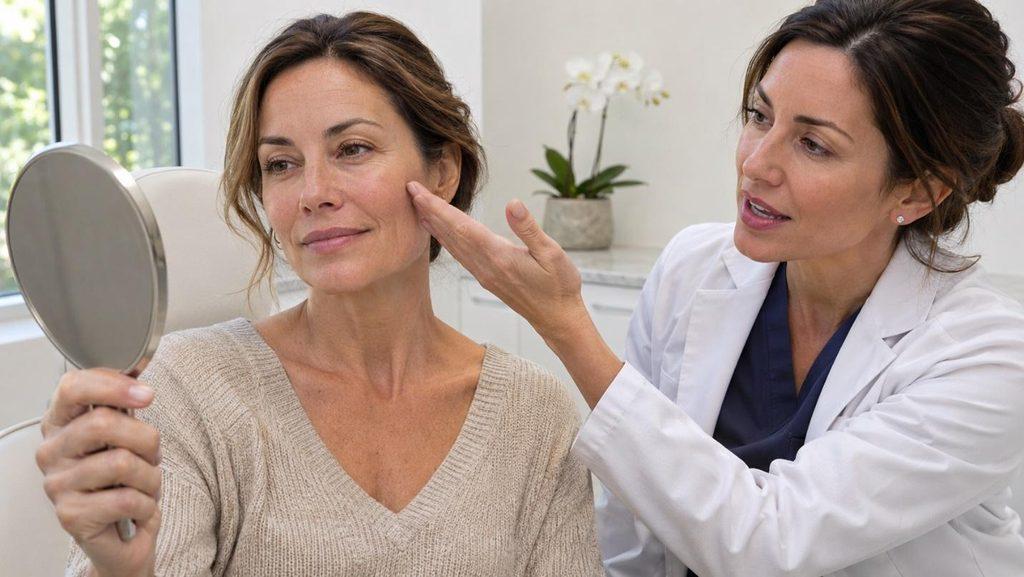
5 Benefits of Fat Transplantation for Natural-Looking Facial Rejuvenation
Facial volume loss often happens gradually. Cheeks may become less full, temples can appear hollow, and the face may start looking more tired than you feel. For people in West Palm Beach and across Florida, finding a way to restore this lost volume while maintaining a natural appearance can be an important consideration.
Fat transplantation, also known as fat grafting or fat transfer, uses your own fat to add volume to selected areas of the face. Although it offers several potential benefits, it also has limitations and may not suit everyone. This guide explores five possible advantages, important considerations, and questions to discuss with a qualified surgeon before making a decision.
1. It Uses Your Own Tissue
Fat transfer uses fat taken from your own body, often the abdomen or thighs, instead of synthetic fillers or implants. That means the material comes from you, not from a lab.
For people who prefer to avoid foreign substances, this is a real appeal. It does involve a small procedure to collect the fat, so it is a trade-off, not a free lunch.
2. It Restores Volume Where the Face Has Thinned
Much of facial aging is about lost volume, not only loose skin. Areas such as the cheeks, temples, jawline, and lips can flatten or hollow over time, which can make a face look tired.
Placing small amounts of fat in those areas can soften hollows and improve contour and symmetry. The goal is to restore balance, not to change who you are.
3. It Can Look Natural When Done Subtly
Natural-looking results depend on restraint. Surgeons usually inject fat in small amounts using fine cannulas, building volume gradually and blending it with surrounding tissue.
Things that support a natural look:
- Treating hollows rather than making the whole face fuller.
- Choosing modest changes that match your features.
- Giving swelling time to settle before judging the result.
Ask to see a surgeon’s range of work, not just the most dramatic examples.
4. It May Last Longer Than Many Fillers
Fat that successfully survives the transfer can provide longer-lasting volume because it becomes part of the surrounding tissue. If you are considering fat transplantation in West Palm Beach, remember that results develop gradually as swelling subsides and the transferred fat settles. Some of the injected fat is naturally reabsorbed during healing, so the final outcome may take several months to become visible.
Results can last for years, but they are not guaranteed to be permanent. Discuss realistic expectations and the possibility of fat reabsorption with your surgeon before treatment.
5. It Pairs Well With Other Rejuvenation
Volume loss is only one part of aging. Many patients combine fat transfer with other procedures. The same page says it is commonly paired with eyelid surgery or other facial procedures for a more complete result.
A combined plan can address several concerns at once, which may mean one recovery period instead of several. It also means more to discuss, so ask your surgeon how combined procedures change the risks and the recovery.
Know the Limits Before You Decide
These benefits come with limits. Stanford Medicine says that retention of the injected fat is approximately 60%, even though it calls fat grafting a form of permanent filler.
That means some fat is lost, and results are not fully predictable. Another professional society page puts survival at about 50% and notes that more than one procedure may be needed. Both sources are general, so your surgeon should explain what to expect for you. The practice’s page lists swelling, bruising, infection, and minor contour irregularities as risks, and says ideal candidates are healthy non-smokers with enough donor fat.
Ask the Right Questions Before You Decide
Bring a list to your consultation:
- Am I a good candidate, and why?
- How much of the fat do you expect to survive, and what if I need a touch-up?
- Which areas do you recommend treating, and which would you leave alone?
- What does recovery involve, and when can I return to normal activity?
- What are the risks, and where is the procedure performed?
Recovery matters, too. The same page says swelling and bruising typically fade within seven to ten days, and that most patients return to non-strenuous work within about a week, with strenuous activity avoided for about four weeks. Treat those as general guides.
Conclusion
Fat transplantation can be a thoughtful option for natural-looking facial rejuvenation. It uses your own tissue, restores volume where the face has thinned, looks natural when done with restraint, may last longer than many fillers, and can be paired with other procedures.
It also has limits: some of the fat is lost, results take months to settle, and surgery carries risks. Learn what to expect, ask a qualified surgeon direct questions, and give the process time. If the plan is realistic and the surgeon is trustworthy, you can decide with confidence whether it fits your goals.