What Is the Difference Between Pressing, Ironing and Finishing?
Keeping clothes neat and presentable involves more than removing wrinkles. Different garments require different techniques to achieve a smooth appearance, maintain their shape and protect their fabric. Three terms commonly used in garment care are pressing, ironing and finishing. Although people sometimes use these terms interchangeably, each describes a different process.
Ironing service generally involves moving a heated iron across fabric to remove creases. Pressing uses controlled pressure, heat and, where appropriate, steam to smooth specific areas and help maintain a garment’s shape. Finishing is the broader final stage of garment care, which may include pressing, shaping, removing remaining creases and checking the overall appearance.
Understanding these differences can help you choose the right approach for your clothes and avoid unnecessary fabric damage.
What Is Ironing?
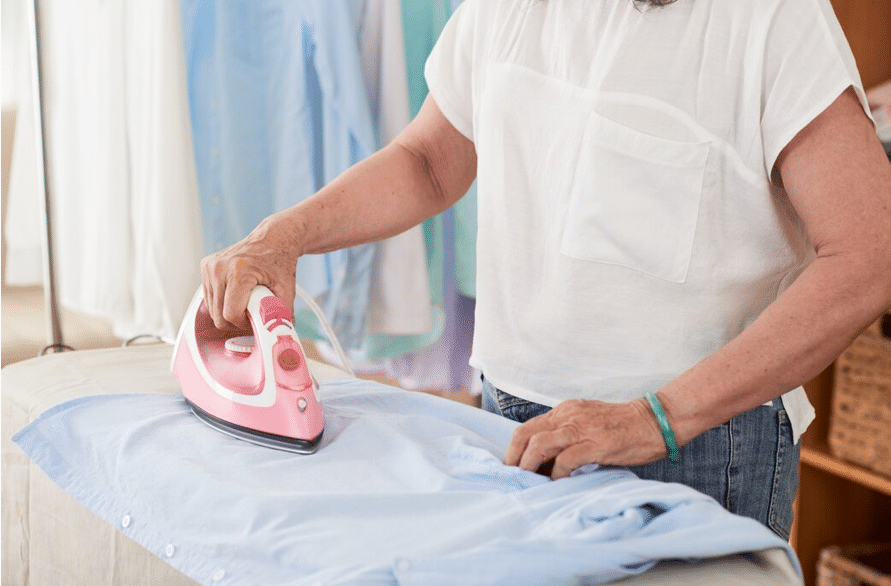
Ironing is the process of removing wrinkles from fabric by moving a heated iron across its surface. Heat, pressure and sometimes steam help relax the fabric fibres, making creases easier to smooth.
It is commonly used for everyday clothing that needs a neat appearance without extensive shaping.
When Is Ironing Useful?
Ironing service is suitable for many garments, provided their care labels permit it. Common examples include:
- Cotton shirts and T-shirts
- Linen trousers and shirts
- School uniforms
- Everyday dresses
- Some cotton bedding and household textiles
For example, if a cotton shirt has developed wrinkles after washing, ironing can help smooth the front, back, collar and sleeves.
How to Iron Clothes Correctly
Always check the garment’s care label before ironing. Select a suitable temperature and use steam only when appropriate for the fabric. Turn delicate garments inside out when recommended, and avoid leaving the iron in one place for too long.
Some fabrics, including certain synthetic materials, can melt or develop shiny marks under excessive heat. Silk and other delicate textiles may also require specific handling.
The main purpose of ironing is to remove visible wrinkles and leave the fabric looking smooth.
What Is Pressing?
Pressing is a garment-care technique that uses controlled heat, pressure and, where suitable, steam to smooth fabric and help shape individual sections of clothing.
Unlike conventional ironing, pressing usually involves placing the iron onto an area, applying controlled pressure and lifting it before moving to the next section. A pressing cloth or specialist pressing equipment may be used when appropriate.
This approach is particularly useful for garments that need to retain their structure.
Which Clothes Benefit From Pressing?
Pressing is often used for:
- Business suits and tailored jackets
- Formal trousers
- Blazers
- Pleated skirts
- Dress shirts with structured collars and cuffs
- Garments with seams, darts and defined folds
For example, pressing tailored trousers can help restore a crisp crease while keeping the fabric smooth. A jacket may also require careful pressing around its lapels, seams and shoulders to preserve its intended shape.
Why Is Pressing Different From Ironing?
The difference lies mainly in the technique and objective.
Ironing focuses on smoothing the fabric by moving the iron across it. Pressing focuses on treating specific areas with controlled pressure to smooth and shape the garment.
Pressing can help prevent unwanted stretching and preserve the structure of tailored clothing when performed correctly. However, the wrong temperature or excessive pressure can still damage fabric, so the care label and garment construction should always guide the process.
What Is Garment Finishing?
Garment finishing is the final stage of preparing clothing to achieve its intended appearance after manufacturing, washing or professional cleaning.
In everyday laundry and dry-cleaning services, finishing can include pressing or ironing, shaping the garment, removing remaining creases, arranging collars and cuffs, and checking the overall presentation.
The exact process depends on the garment, fabric and service required.
What Does Garment Finishing Include?
Professional garment finishing may involve:
- Removing remaining wrinkles and creases
- Restoring the garment’s intended shape
- Smoothing collars, cuffs and lapels
- Setting pleats where appropriate
- Checking seams and visible areas
- Preparing the garment for collection, delivery or storage
For instance, a professionally cleaned suit may require careful pressing and shaping before it is ready to wear. A dress shirt may need its collar, cuffs and front panel smoothed before being folded or hung.
Finishing is therefore broader than ironing or pressing. Ironing and pressing are techniques, while finishing describes the wider process of preparing a garment for use.
Pressing vs Ironing vs Finishing: Key Differences
| Feature | Ironing | Pressing | Finishing |
| Main purpose | Remove wrinkles | Smooth and shape specific areas | Prepare the garment for its final appearance |
| Technique | Move a heated iron across fabric | Apply controlled pressure to sections | Use one or more suitable garment-care techniques |
| Typical equipment | Household iron or steam iron | Iron, pressing board or specialist press | Iron, press and other suitable finishing equipment |
| Common applications | Everyday clothing | Suits, trousers and structured garments | Clothing after washing, dry cleaning or manufacture |
| Overall scope | A specific task | A specific shaping and smoothing technique | A broader final preparation process |
These terms can overlap in practice. For example, a garment’s finishing process may include both ironing and pressing.
Which Method Is Best for Different Clothes?
Choosing the right technique depends on the garment’s fabric, construction and care instructions.
Cotton shirts: Ironing is often suitable for everyday cotton shirts. Pressing may be used to create a sharper collar, cuffs or overall appearance.
Linen clothing: Ironing or pressing can help reduce linen’s natural creasing. Some people prefer to retain a little texture rather than aim for a completely smooth finish.
Business suits: Pressing and professional finishing are often preferable because suits contain structured sections that can lose their shape when treated incorrectly.
Wool garments: Follow the care label carefully. Some wool items benefit from professional pressing, while excessive heat or pressure may cause damage or unwanted shine.
Delicate dresses: The appropriate method depends on the fabric, lining and decoration. Some garments require low-temperature handling or specialist equipment, while others may need professional cleaning and finishing.
Everyday T-shirts: Many cotton T-shirts can be ironed if their care labels allow it. Heavy pressing is usually unnecessary unless a particular finish is desired.
No single method is best for every garment. Always consider the manufacturer’s instructions before applying heat, steam or pressure.
Why Professional Garment Finishing Matters
Professional garment care can be particularly helpful for clothing that needs a crisp, consistent appearance. Tailored suits, formalwear and delicate garments may require specialist equipment and experience to achieve the desired result without damaging the fabric.
Professional finishing can also save time when several items need attention or when garments must be ready for work, an event or an important occasion.
However, finishing does not guarantee that every crease or stain will disappear. Results depend on the fabric, garment condition, cleaning method and nature of the problem.
For routine home care, a correctly adjusted iron may be sufficient. For structured, delicate or expensive garments, seeking professional advice can help reduce the risk of damage.
Conclusion
The difference between pressing, ironing and finishing comes down to their purpose and scope. Ironing removes wrinkles by moving a heated iron across fabric, pressing uses controlled pressure to smooth and shape specific areas, and finishing prepares a garment for its final appearance.
Each technique has its place in clothing care. Ironing is useful for many everyday garments, pressing can help maintain the shape of tailored clothing, and finishing brings together the appropriate steps to leave clothes looking neat and presentable.
If you need help keeping your garments in good condition, Hello Laundry offers professional laundry and dry-cleaning services with free pickup and delivery, making it easier to care for your clothes without an extra trip.