Car Windshield Wipers and Defrosters: Features Worth Comparing
Clear visibility is essential for safe driving in changing weather. Rain, road spray, snow, frost, and interior condensation can all affect how well drivers see the road ahead. Windshield wipers and defrosters work together to manage these conditions, but their designs and available features can vary significantly between vehicles. When comparing cars and SUVs, understanding these systems can help drivers choose equipment that suits their climate and daily driving habits. Anyone researching a car dealer near Holland, MI can benefit from knowing which visibility features are worth considering.
Conventional Wipers and Variable Intermittent Settings
Conventional windshield wipers remain an important feature on nearly every modern vehicle. They typically offer multiple operating speeds, including low and high settings for different levels of rainfall.
Variable intermittent wipers provide additional control during light rain or mist. Instead of wiping continuously, they operate at adjustable intervals. Drivers can select a slower or faster wiping frequency depending on how much water collects on the windshield.
This feature is useful when occasional droplets affect visibility but continuous wiping is unnecessary. When comparing vehicles, check whether the intermittent setting offers adjustable timing or only a few preset intervals.
Rain-Sensing Wipers for Automatic Operation
Rain-sensing wipers use a sensor, commonly positioned near the upper portion of the windshield, to detect moisture. The system can automatically activate the wipers and adjust their frequency according to detected rainfall.
This feature reduces the need for drivers to change wiper settings manually as weather conditions shift. Some systems also allow sensitivity adjustments, giving drivers more control over how quickly the wipers respond.
Rain-sensing technology can be particularly convenient during highway travel, where rainfall intensity may change quickly. However, sensor performance can depend on windshield cleanliness and proper installation. Drivers should also understand how to switch between automatic and manual operation.
Heated Wiper Park Areas for Cold Weather
Winter conditions can cause wiper blades to freeze against the windshield. Snow and ice may also accumulate around the area where the blades rest, making it difficult for them to move properly.
Some vehicles offer a heated wiper park area, which warms the lower portion of the windshield where the blades sit. This feature can help loosen ice and prevent blades from remaining frozen against the glass.
It is important to distinguish heated wiper park technology from a heated windshield. A heated park area focuses on the resting position of the wipers, while a heated windshield uses heating elements to address ice across a larger glass surface. Neither feature eliminates the need to clear heavy snow safely before driving.
Front Defrosters and Climate Control
A front windshield defroster directs warm, conditioned air toward the glass to remove interior fog and help clear frost. It is especially useful when cold outside temperatures meet warm, humid air inside the vehicle.
Some vehicles provide a dedicated front defrost button that automatically adjusts airflow and climate settings. Others allow drivers to select the windshield airflow direction manually.
Automatic climate control can make this process more convenient by regulating temperature and airflow. Air conditioning may also help remove moisture from cabin air, depending on the system and outside conditions.
When comparing vehicles, check how easily the defroster can be activated and whether the climate controls are straightforward to operate while driving.
Rear Window Defrosters and Heated Mirrors
Rear visibility is just as important as the view through the front windshield. Rear window defrosters typically use thin electrical heating elements embedded in the glass to remove condensation and help clear frost.
Heated side mirrors are another useful feature, particularly in winter. They help reduce moisture, frost, and ice buildup on mirror surfaces, making it easier to monitor surrounding traffic.
Some vehicles activate heated mirrors through the rear defroster control, while others provide separate controls. Buyers should check the operating instructions and confirm which features are included on the specific trim.
Wiper Blade Quality and Washer Systems
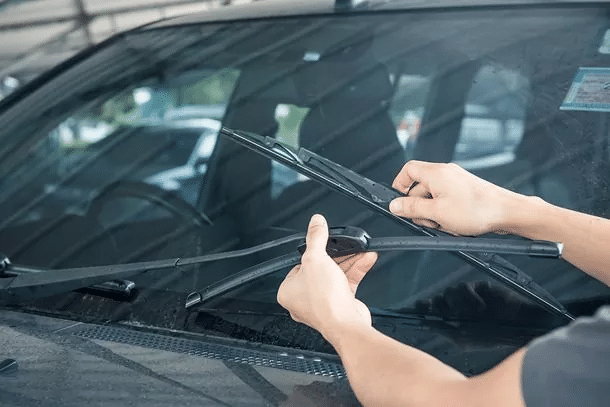
The performance of a wiper system depends heavily on blade condition. Worn rubber can leave streaks, skip across the glass, or fail to clear water evenly. Drivers should inspect blades for cracks, splitting, and hardened edges.
Different blade designs may also be worth comparing. Conventional framed blades use a supporting metal structure, while beam-style blades have a more streamlined design that can maintain contact with curved windshields. Winter-specific blades are designed to resist snow and ice buildup.
Washer systems deserve attention as well. Check the location and spray pattern of the washer nozzles, along with the accessibility of the fluid reservoir. In colder climates, using washer fluid rated for freezing temperatures helps prevent the liquid from freezing on the windshield.
What to Test During a Vehicle Comparison
When evaluating a vehicle, test the wipers at each available speed and check whether the intermittent settings are easy to adjust. If rain-sensing wipers are included, review their sensitivity controls and automatic operation.
Also activate the front and rear defrosters to understand how the controls work. Inspect the windshield for chips or cracks that could affect visibility, and check the wiper blades for uneven wear.
Feature availability can vary by model year, trim, and optional equipment package. Reviewing the vehicle’s specifications and owner’s manual helps confirm exactly what is included.
Conclusion
Windshield wipers and defrosters play an important role in maintaining visibility throughout the year. Variable intermittent settings and rain-sensing technology offer convenience in wet weather, while heated wiper areas, front defrosters, rear window heating, and heated mirrors support cold-weather driving. Comparing these features alongside blade quality and washer performance can help drivers select a vehicle with visibility equipment suited to their everyday conditions.