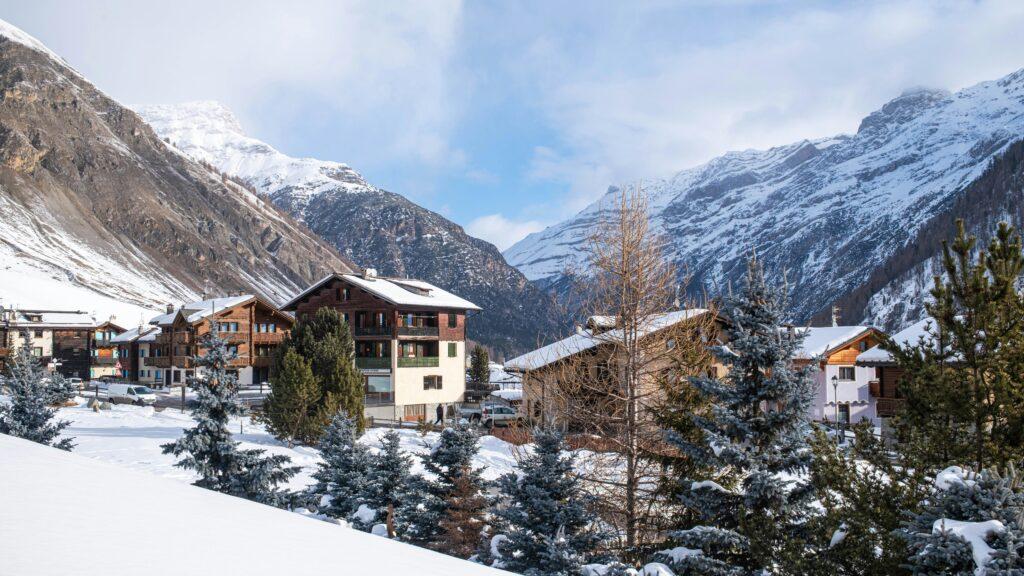
Why Alpine Wellness Is Dominating Seasonal Travel
Mountain destinations are becoming wellness retreats for travelers who want clearer thinking, restorative sleep and meaningful time outdoors. Alpine wellness combines cool air, natural movement, warming spa rituals and a quieter daily rhythm. That mix offers a practical answer to a familiar travel problem: packed itineraries can leave people more tired than they were before vacation.
A mountain stay can still include excellent dining and polished hospitality, but the days follow the season. Snow conditions shape outdoor plans, early sunsets encourage longer evenings indoors and cold temperatures make heat-based recovery especially satisfying. Here’s why that seasonal pattern is attracting travelers and how to plan a trip that feels genuinely restorative.
Cold Climates and Mental Clarity
A change in climate can interrupt the habits that keep your mind busy at home. In an alpine setting, the immediate priorities are wonderfully concrete: check the weather, dress for the temperature and decide how much time you want to spend outside. That narrower focus can make it easier to step away from work alerts and endless digital input.
Part of the appeal of winter wellness in the mountains comes from the sensory shift. Snow softens background noise, bright surfaces reflect daylight and cooler air can feel refreshing during a walk. You don’t need an ambitious expedition to experience the effect. A 30-minute walk after breakfast, followed by coffee near a window, may provide more mental breathing room than a tightly scheduled day of sightseeing.
Daylight still matters in cold destinations. Try to get outside during the brightest part of the day, especially when sunset arrives early. Keep your first morning open so your body can adjust to the elevation, climate and travel fatigue.
It also helps to set a realistic digital boundary. You might check messages once after breakfast and again before dinner, leaving the middle of the day open for outdoor activity and rest. That simple schedule preserves contact with home without letting your phone direct the trip.
Active Days Fuel Restful Evenings
Mountain wellness works best when movement and recovery support each other. Cold-weather activities demand energy, even when they look easy. Walking over packed snow, climbing a gentle incline or maintaining balance on an uneven trail engages muscles that may get little attention during an ordinary week.
A mountain wellness routine can combine time outdoors, physical activity and deliberate recovery. For travelers, the key is choosing a level of exertion that leaves them pleasantly tired instead of depleted. Two active hours may be enough on the first day, particularly at higher elevations.
Start with a steady morning walk or a beginner-friendly seasonal activity. Pause for lunch, drink water and assess how you feel before adding an afternoon session. Elevation can affect energy levels, while cold air may make thirst less noticeable. Carrying water and a small snack is useful even on a short outing.
Once evening arrives, give your body a clear signal that the active part of the day has ended. Change out of damp layers, eat a balanced meal and allow an hour for quiet conversation, reading or gentle stretching before bed. Keep the room cool and avoid packing late-night entertainment into every evening. The contrast between outdoor movement and a calm indoor routine often produces the deep sleep travelers hoped to find.
Monitor Snow Cover for Peak Activity
Snow can transform a mountain vacation, but conditions vary from one week to the next. Elevation, recent storms, daytime temperatures and road access all affect what you’ll be able to do. A snowy image on a booking page may not reflect the conditions you’ll encounter, so check current information close to departure.
For a California mountain getaway, Bearadise’s practical guide to snow in Big Bear can help visitors understand seasonal conditions, winter activities and travel safety before setting out. Use local guidance alongside the latest forecast and official road updates, then review everything again the evening before your drive.
Think in terms of conditions instead of relying only on calendar dates. Early-season snowfall can be beautiful but limited, while warmer spells can change trails and public spaces quickly. Fresh snow may improve the scenery while slowing road travel. Build extra time into arrival day and avoid scheduling a nonrefundable activity immediately after a long drive.
Pack for shifting conditions too. A useful layering system includes a moisture-managing base, an insulating middle layer and a weather-resistant outer layer. Bring waterproof footwear with dependable traction, warm socks, gloves, sunglasses and sunscreen. Snow glare can be strong even when the air feels cold.
Finally, create an indoor backup plan. A spa appointment, long lunch or fireside reading afternoon keeps a weather change from becoming a disappointment. Flexible travelers often get the most from alpine wellness because they let conditions set the pace.
Thermal Spa Culture Takes Center Stage
Heat feels especially luxurious after several hours in cold air. Across alpine regions, thermal pools, saunas, steam rooms and quiet relaxation areas have become central parts of the travel experience. Many properties design the spa around mountain views, giving guests a visual connection to the outdoors while they recover inside.
The rise of European thermal wellness traditions reflects a broader shift toward spa experiences centered on recovery, heat rituals and contrast bathing rather than surface-level pampering alone.
Use thermal facilities in measured sessions. Follow posted time limits, take cooling breaks and drink water between rounds. If you’re new to sauna culture, begin with five to 10 minutes and see how your body responds. Anyone who is pregnant or has cardiovascular concerns, blood pressure issues or another relevant medical condition should seek personal medical guidance before using intense heat.
Book treatments early if you’re traveling during a holiday week or popular snow period. Late-afternoon appointments tend to fit naturally after outdoor activity, though a morning treatment can work well on departure day.
You can also recreate part of the ritual without staying at a dedicated wellness hotel. A warm bath, comfortable robe and phone-free hour can turn an ordinary lodging choice into a more restorative base. The value comes from protecting recovery time as carefully as you plan outdoor time.
Embrace the Slower Seasonal Tempo
Winter mountain travel creates natural limits. Daylight is shorter, weather can change quickly and some routes or attractions may operate on reduced schedules. Those limits can solve the problem of vacation overplanning by encouraging you to choose fewer experiences and enjoy them for longer.
The appeal of an Alpine reset comes from giving scenery, spa time and spacious schedules as much importance as headline attractions. A satisfying day might include breakfast without a deadline, one outdoor activity, a late lunch and several unscheduled hours before dinner.
Leave one-third of each day open. If you plan an activity from 10 a.m. to noon, resist the urge to fill every remaining hour. That space can absorb a delayed start, an unexpectedly good café or the simple desire to rest. It also lowers the pressure to continue with an activity when the weather turns.
Lodging location matters under this approach. Staying within walking distance of dining, spa facilities or a village center reduces time spent driving and parking. A room with comfortable seating and a good view also has real value when relaxation is part of the itinerary.
The best alpine wellness trips end with a small seasonal ritual you’ll remember clearly: a final walk in crisp morning air, a quiet soak or breakfast beside a snow-covered window. Give that moment room on the schedule before heading home.