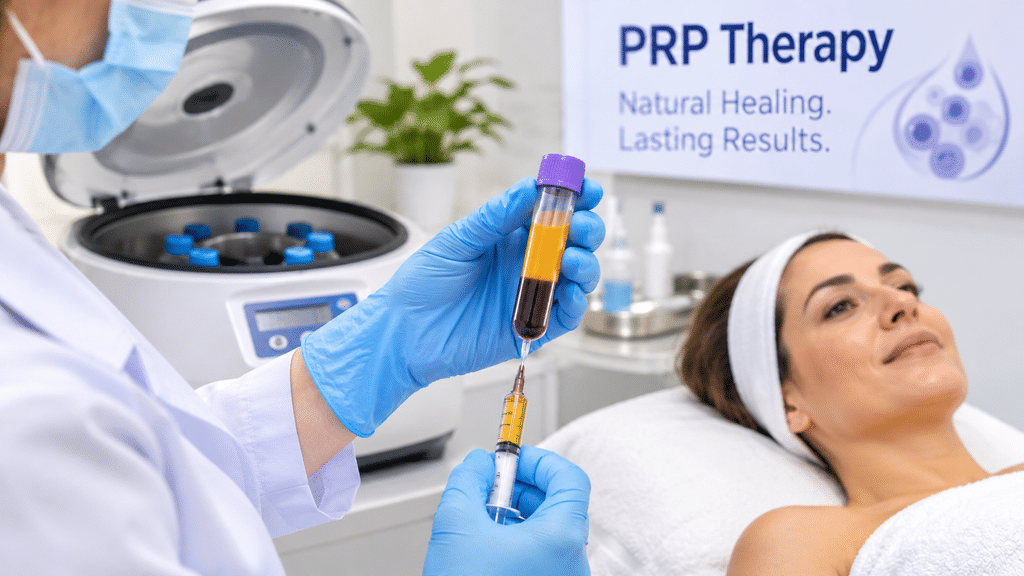
Regenerative Wellness: Understanding Platelet-Rich Plasma
In the healthcare industry, more and more emphasis is being put on treatments that work with the body’s own processes. This interest is reflected in an interest in aesthetics, hair restoration and recovery oriented medicine. Lots of individuals look for choices that can possibly promote the wellness of their tissues and fit into a tailored care program.
One way that is in the spotlight is platelet rich plasma or PRP. It is made of a person’s own blood, and has a higher platelet count. Platelets are a source of growth factors which play a role in wound healing, and therefore there are several areas where the use of platelets has been explored. It is important to gain an understanding of the process, potential applications and limitations prior to considering treatment.
How the Treatment Works
Typically starts with a small blood sample. The sample is spun in a centrifuge in order to collect a portion of the plasma with a higher concentration of platelets. This preparation is then applied or injected into an area selected for treatment.
Individuals considering prp therapy phuket should be aware that the treatment isn’t the same for all concerns. Preparation techniques can differ, as can the areas of treatment, and the number of sessions. Before treatment, an approach and the expected results of the treatment, as well as the evidence for the treatment, should be explained by a qualified practitioner.
Uses in Aesthetic and Hair Care
PRP can be used in aesthetic medicine as part of a strategy to enhance the look and feel of the skin. It is mentioned frequently with regard to collagen support, fine lines and uneven texture. It is also applied in some clinics in hair replacement treatments for some types of baldness.
Results may not be guaranteed and different for each person. Suitability may be affected by the cause of the hair loss, general health and other factors. Treatment should be based upon a proper assessment and not assumptions made as a result of advertisements or testimonials.
Role in Physical Recovery
In other sports medicine and orthopedic applications, PRP is applied. In some cases, it can be used in the treatment of a tendon, ligament or joint issue. The goal is to take advantage of growth factors released by the platelets that are part of the body’s healing process.
Studies are still underway and there is some evidence for each condition. PRP should NOT be touted as a cure or replacement for existing care. It may be recommended that this is combined with rehabilitation, activity changes, medication or another option depending on the diagnosis. The doctor or chiropractor can discuss risks and benefits associated with a certain injury.
Safety and Individual Assessment
A procedure that is considered risk-free does not mean that it is safe for a certain individual. Some temporary pain, swelling, bruising, or redness may result. Suitability may be affected by a person’s medical history, medicines, blood conditions and the presence of active infections. Patients should include pertinent medical data and inquire about practitioner skills and follow-up.
A responsible consultation should include realistic goals and outcomes, alternatives, cost and time required for evaluating progress toward goals. This information assists people to make choices, without pressure.
A Thoughtful Approach to Regenerative Care
PRP medical research continues to be an interest of clinical medicine, and PRP is still evolving. It’s function is related to the illness being treated and the available evidence. The first step is to have a good diagnosis, and a chat with a professional health care worker.
With the increasing trend of personalization in wellness, this will continue to be significant and will rely upon careful evaluation and honest communication. Individuals are better served if their treatment is recommended by their medical professional, based on their expectations, and based on their health plan.