Peoria, Illinois Windows and Doors: Built for Central Illinois Weather
Key Takeaways
- Peoria homes must handle humid summer heat, freezing winter conditions, rain, snow, and strong storms.
- Glass, frame material, air sealing, and installation all affect comfort near windows and doors.
- Drafts, fogged glass, sticking sashes, moisture stains, and failing weatherstripping deserve attention.
- Older homes can often improve performance while retaining their original proportions and architectural character.
- A room-by-room plan helps homeowners prioritize the features that matter most in each opening.
In Peoria, Illinois, windows and doors work through a full range of seasonal conditions. A home can feel bright and breezy in spring, warm and humid in July, then exposed to cold air, snow, and wind by winter. Homeowners considering Peoria window replacement can review Renewal By Andersen’s local replacement services for Peoria and nearby Central Illinois communities, including custom-measured windows, entry doors, patio doors, consultation, and professional installation. The right plan is not simply about choosing a newer-looking product. It is about matching the opening to the home, the room, the exposure to sun and weather, and the condition of the existing frame and exterior wall.
Why Peoria’s Climate Puts Windows and Doors to the Test
Central Illinois experiences meaningful temperature changes throughout the year. The published Peoria climate normals show average daily highs ranging from the low 30s in January to the mid-80s in July, along with regular precipitation and winter snowfall. Those shifts place repeated demands on glass, seals, hardware, frames, and the materials surrounding each opening. When components expand, contract, get wet, or are exposed to direct sun over many seasons, small weaknesses can become more noticeable. A minor draft may become a cold corner in winter. A door that is slightly out of alignment may begin to drag or fail to seal tightly during heavy rain.
Common Signs That a Window or Door Is Struggling
Homeowners do not need to wait for a broken pane or severe leak before investigating a problem. Look for practical warning signs such as:
- Cold air or an unusually chilly surface near a window during winter.
- Rooms that become overly warm when afternoon sun reaches the glass.
- Condensation or fogging between glass panes.
- Windows that stick, rattle, will not stay open, or do not lock easily.
- Soft wood, peeling paint, staining, or visible moisture around trim.
- Doors that drag, swell, or leave gaps around the perimeter.
Choosing Glass for Hot Summers and Cold Winters
Glass selection affects both winter comfort and summer solar heat. Insulated glass units use multiple panes separated by a sealed space, while Low-E coatings can help manage heat transfer. Gas fills may also be used between panes. The best choice depends on window orientation, exterior shade, interior daylight goals, and whether a room tends to run hot or cold. In Peoria, a west-facing living room can overheat on July afternoons, while a north-facing bedroom may feel drafty during January cold snaps. Hence, each opening deserves its own assessment.
- Lower U-factor: Indicates less heat transfer and can be useful when limiting winter heat loss is a priority.
- Lower solar heat gain coefficient: Can reduce unwanted solar heat, especially on sunny exposures.
- Higher visible transmittance: Allows more natural daylight to pass through the glass.
Frame Materials That Fit Central Illinois Homes
Vinyl, wood, fiberglass, and composite frames each present different trade-offs. Vinyl is commonly selected for low-maintenance needs. Wood can suit homes where traditional appearance and repairability are important. Fiberglass and composite options may appeal to homeowners looking for durability and dimensional stability. No frame material automatically guarantees performance, because accurate measuring, flashing, insulation, and air sealing remain essential.
Why Installation Matters as Much as the Product
A well-made window or door can still underperform if it is installed out of square, sealed poorly, or placed into a damaged opening. A careful replacement process should include:
- Inspecting the existing opening and adjacent structure.
- Measuring accurately and checking for moisture damage.
- Addressing the sill, frame, flashing, insulation, and sealants as needed.
- Setting the unit level, square, and secure.
- Testing operation, locks, drainage paths, and weather seals before completion.
Window and Door Choices for Older Peoria Homes
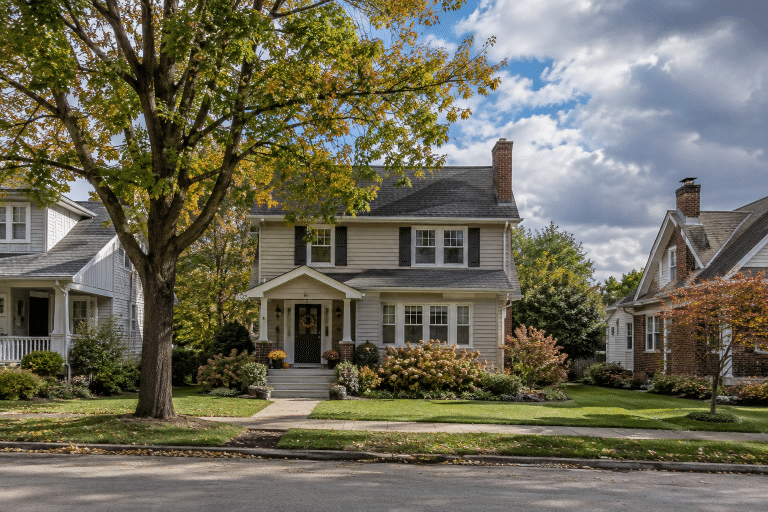
Established neighborhoods near Downtown Peoria and elsewhere in the city often include homes with distinctive trim, divided-light patterns, and proportions that define the façade. Replacement decisions should consider the original opening size, sash configuration, exterior materials, and interior woodwork. A change that improves comfort but disrupts the home’s scale may not be the best long-term choice. Before changing an opening in a designated historic area, homeowners should check applicable local review requirements. The goal is to balance appearance, maintenance, present-day performance, and any preservation considerations.
Preparing Openings for Rain, Wind, and Winter Weather
Windows and doors are part of the home’s weather barrier, not isolated features. Tight weatherstripping, functioning locks, clear drainage paths, properly detailed sills, and intact exterior sealants all matter. After major storms, inspect frames and trim for water marks, loose caulk, displaced screens, or changes in operation. Local forecasts and alerts from the National Weather Service Central Illinois weather information can also help homeowners prepare before severe conditions arrive.
A Practical Room-by-Room Planning Guide
- Bedrooms: Prioritize dependable locks, ventilation, privacy, and smooth operation.
- Living rooms: Consider daylight, views, furniture placement, and comfort near larger glass areas.
- Kitchens: Choose operating styles that remain easy to reach and clean around counters.
- Bathrooms: Focus on privacy glass, ventilation, and moisture management.
- Entryways: Look for durable finishes, secure hardware, and a consistent weather seal.
- Patios: Consider traffic flow, threshold height, drainage, and daily ease of use.
Questions to Ask Before Hiring a Replacement Team
Compare the full scope of each proposal, not just the advertised product price. Ask who measures and installs the units, how old materials will be removed, how hidden water damage will be handled, which warranties apply, and how the crew will protect floors, trim, landscaping, and furnishings. Also ask whether the team has experience with Peoria’s humid summers, freeze-thaw winters, and the older homes common in the city’s established neighborhoods.
Simple Maintenance Steps for Longer Service Life
- Inspect windows and doors each spring and fall.
- Clean tracks, moving parts, and accessible drainage openings.
- Test locks, handles, hinges, and sliding mechanisms.
- Replace worn weatherstripping and repair damaged caulk.
- Watch for fogging between panes and moisture around trim.
- Seek professional help when rot, leaks, or structural movement appears.
Build Around Peoria’s Real Weather
Comfort in a Peoria home comes from a complete approach. Choose windows and doors with the local climate, each room’s needs, the home’s age and design, and installation quality in mind. With regular maintenance and thoughtful planning, exterior openings can better support comfort, function, and curb appeal through every Central Illinois season.
Conclusion
Peoria homeowners should consider windows and doors essential parts of their home’s overall weather protection. Seasonal temperature changes, humidity, rain, and winter conditions make glass selection, frame materials, weather seals, and proper installation important considerations. A room-by-room assessment can help identify drafts, moisture problems, and operating issues while showing where specific improvements may be most useful. For older homes, preserving original proportions and architectural details should also remain part of the decision. By comparing product performance, installation methods, project costs, and maintenance needs, homeowners can make informed choices that support comfort, durability, and the home’s appearance throughout Central Illinois’ changing seasons.