Shanghai to Hangzhou: A China Holiday for Lovers of Art, Food, and Design
For travelers who choose a city by its galleries, restaurants, and architecture, Shanghai and Hangzhou make an appealing pairing. One invites days of urban exploration; the other offers a landscape shaped by centuries of artistic attention. Together, they provide a focused introduction to China without requiring a new hotel every other night.
The pleasure of this itinerary lies in connecting what you see. A museum building can lead to questions about the city around it. A garden view can change how you notice a painted landscape. A meal can become the starting point for understanding a region.
Begin With Shanghai’s Architecture
Give your first full day a clear theme: discovering how Shanghai’s buildings tell its story. Arrange a guided walk that reflects your interests, whether historic streets, residential architecture, or contemporary design.
Ask your guide to explain the details you might otherwise pass by. Building materials, entrances, decorative elements, and the relationship between private and public space can make a neighborhood more legible. Share how far you enjoy walking and whether you want time for photography or shopping.
Keep the route manageable. A concentrated morning followed by lunch offers more opportunity to absorb what you have seen than a full day spent crossing the city between unrelated stops.
Make Time for the West Bund
Shanghai’s West Bund is a useful focus for travelers interested in the relationship between art and architecture. The Long Museum’s West Bund building stands on the former Beipiao Wharf site, bringing a cultural destination into an industrial setting.
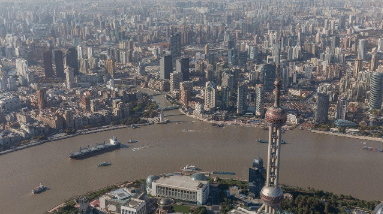
The Bund, Shanghai.
Treat the building as part of your visit. Notice how its scale, surfaces, and exhibition spaces affect your experience of the works inside. Before choosing a date, review the museum’s current exhibitions and visitor instructions so the outing matches your interests.
Resist the urge to turn the afternoon into a gallery marathon. Leave space for a conversation over coffee or a walk afterward. You may find that one exhibition, given proper attention, becomes a stronger memory than several hurried visits.
Let Dining Shape Part of the Journey
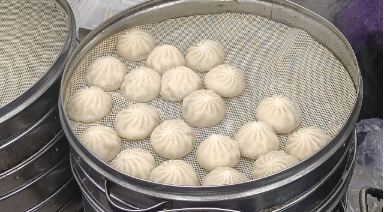
Build your food plans around curiosity. Before arrival, ask your hotel or guide for suggestions that introduce local cooking and explain what makes particular dishes worth trying.
Choose a few reservations that feel important, while keeping other meals flexible. A carefully planned dinner can anchor an evening, but lunch near your morning activity may make the day flow more comfortably.
When booking, communicate dietary requirements clearly and confirm whether the restaurant can accommodate them. If you are traveling with someone whose tastes differ from yours, look for menus that give you both room to explore.
Consider keeping brief notes on dishes you enjoy. They can help you ask more informed questions at the next meal and provide something more personal to remember than a list of restaurant names.
Discover Hangzhou Through West Lake
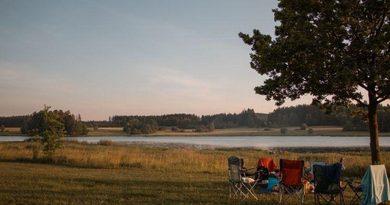
In Hangzhou, make West Lake the starting point for understanding the destination. Its UNESCO-listed cultural landscape combines the lake and surrounding hills with temples, pagodas, pavilions, gardens, causeways, and islands. Writers and artists have drawn inspiration from it for centuries.
Approach the landscape as a sequence of views. Choose a section to explore, then notice how the composition changes as you move: a building framed by trees, a stretch of water opening beyond a path, or a hillside becoming visible from another angle.
You do not need to cover the entire area in one outing. Discuss walking distances and transport with your guide, and leave time to return if a particular setting captures your attention.
Choose a Stay That Complements the Setting
Your accommodation can extend the experience beyond sightseeing hours. Decide whether you want easy access to urban activities or a setting where spending time at the property is part of the holiday.
In Hangzhou, Amanfayun offers an example of the latter, with a village setting surrounded by tea fields and woodland. Its location and cultural experiences may appeal to travelers who want the final part of their trip to revolve around the surrounding landscape.
Before reserving any property, check transfer times, room access, dining arrangements, and the activities available during your dates. Ask about tea-focused experiences if that interests you, including what they involve and whether advance booking is needed.
Handle Entry Arrangements Before Finalizing the Details
For U.S.-based travelers, trip preparation should begin with the official entry rules that apply to their nationality, passport, travel purpose, and route. Establish whether a visa is required or a specific exemption applies before making nonrefundable commitments.
Use the Chinese embassy or consulate serving your place of residence as the official starting point. For eligible travelers within the Los Angeles consular jurisdiction, arranging tourist visa assistance in Los Angeles through China Visa Depot can help with application preparation and document organization. Chinese consular authorities determine the outcome of each application.
Once that groundwork is underway, confirm the smaller arrangements: your arrival transfer, hotel addresses in Chinese, suitable phone access, and payment options. Keep essential confirmations available without an internet connection.
Give the Two Cities Enough Time
For a week on the ground, consider four nights in Shanghai and three in Hangzhou as a starting point. Adjust the balance to your interests and account for your arrival and departure arrangements.
Keep the transfer day relatively open, and avoid placing an important reservation immediately after a connection. Let each city have its own character within the itinerary.
Before leaving, choose one experience to revisit: a neighborhood, a favorite meal, or a view beside the lake. Returning with a little familiarity can reveal details that were easy to miss the first time.