Beyond the City: How to Make the Most of a Weekend in Nature
New York City has an energy that’s hard to resist. Between its restaurants, cultural attractions, and endless entertainment, there’s always something happening. But sometimes, the best way to enjoy city life is to leave it behind for a couple of days. A weekend surrounded by nature offers something that even the most luxurious city hotel can’t replicate: space to slow down, fresh air, and freedom from a packed schedule.
Fortunately, New Yorkers don’t have to travel far to find it. From the wooded trails of the Hudson Valley to the peaceful lakes of the Catskills, there are plenty of opportunities for a refreshing outdoor escape. The secret to a memorable weekend? Choose the right destination, pack thoughtfully, and leave enough room in your itinerary to enjoy the unexpected.
Choose a Destination That Suits Your Weekend
Not every nature getaway needs to involve a challenging mountain hike or nights spent sleeping under canvas. The best destination depends on how much adventure you’re after. The Hudson Valley is a wonderful starting point for New Yorkers looking to trade crowded sidewalks for open landscapes. Its combination of scenic trails, charming towns, and countryside accommodations makes it particularly appealing for a short break.
Minnewaska State Park Preserve, located along the Shawangunk Mountain Ridge, offers waterfalls, clear lakes, and extensive hiking opportunities. According to New York State Parks, the preserve features approximately 35 miles of carriage roads and 50 miles of footpaths (New York State Office of Parks, Recreation and Historic Preservation [OPRHP], n.d.).
For a quieter experience, consider a lakeside cabin in the Catskills or a countryside retreat where the main attractions are woodland walks and beautiful views. Before booking, consider travel time, seasonal conditions, and the activities available nearby. A destination that requires hours of complicated travel may leave little time to enjoy the actual getaway.
Pack for Comfort, Not Every Possibility
Packing for a weekend outdoors requires a different approach from preparing for a city break. Practicality matters, but that doesn’t mean sacrificing comfort.
Start with weather-appropriate clothing, comfortable walking shoes, sun protection, and a reusable water bottle. Even during warmer months, evenings near lakes and mountains can feel noticeably cooler than afternoons.
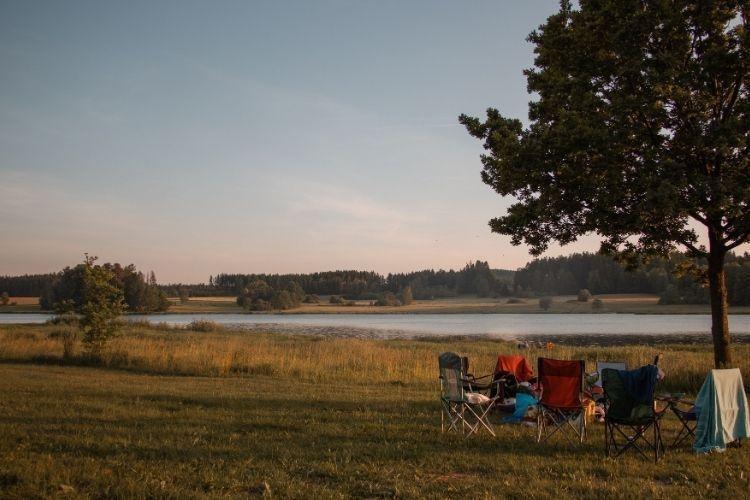
Think about how you’ll spend your time, too. If you’re planning to relax beside a lake or spend an afternoon fishing, portable seating can make a considerable difference. A folding fishing chair by Ozzi Gear offers a compact seating option for longer periods beside the water. It’s particularly useful when you want to settle into a peaceful spot without carrying bulky furniture.
A small picnic blanket, insulated food container, and lightweight daypack can also make outdoor activities more comfortable. However, avoid filling your bag with unnecessary equipment. A weekend getaway should feel like a break from everyday demands, not another exercise in managing possessions.
Make Time for Activities That Help You Slow Down
A common mistake when planning a weekend away is trying to fit too much into two days. It’s tempting to schedule multiple hikes, sightseeing stops, restaurant reservations, and outdoor adventures. Unfortunately, an overcrowded itinerary can leave you returning home more exhausted than when you left.
Instead, choose one main activity each day and allow the rest of your time to unfold naturally. A morning hike followed by a leisurely lunch might be enough for Saturday. On Sunday, consider fishing, birdwatching, or simply reading beside the water.
A study published in Scientific Reports examined data from 19,806 participants in England. Researchers found that people who spent at least 120 minutes per week in nature were more likely to report good health and high well-being than those who reported no nature contact (White et al., 2019). Importantly, the study identified an association rather than proving that time outdoors directly caused these benefits. Still, its findings offer an encouraging reason to make regular outdoor recreation part of your routine.
Try Something Different While You’re Away
Nature getaways provide the perfect opportunity to experiment with activities that rarely fit into an ordinary working week. Fishing, for example, encourages patience and attention. Rather than rushing between attractions, you can spend an afternoon observing the water, watching wildlife, and enjoying the surroundings.
Beginners don’t necessarily need to invest in expensive equipment. The New York State Department of Environmental Conservation (NYSDEC, n.d.-a) operates a fishing rod lending program through participating providers. Anyone planning to fish should check local regulations beforehand. In New York, anglers aged 16 and older generally need a freshwater fishing license, although exemptions apply (NYSDEC, 2026).
Other worthwhile activities include guided nature walks, landscape photography, kayaking, and cycling on designated trails. The goal isn’t necessarily to master a new hobby. It’s to experience a different pace of life and perhaps find something you’d like to continue doing after returning home.
Enjoy the Local Food and Culture
Spending a weekend in nature doesn’t mean abandoning good food or interesting cultural experiences. In fact, combining outdoor recreation with local hospitality can make a short getaway especially memorable.
The Hudson Valley is known for its agricultural landscapes, small towns, and food-focused destinations. Depending on the season, visitors can incorporate farmers’ markets, farm shops, or locally owned restaurants into their plans.
Consider spending the morning on a woodland trail before heading into a nearby town for lunch. Alternatively, pick up fresh ingredients for a picnic and enjoy an afternoon outdoors. If you’re staying in self-catering accommodation, preparing dinner together can become part of the experience. Rather than trying to visit every recommended restaurant, choose a couple of places that genuinely interest you. A relaxed meal is often more enjoyable than rushing to another reservation.
Disconnect Without Compromising Safety
One of the greatest pleasures of leaving the city is escaping the constant stream of notifications, emails, and digital distractions. However, disconnecting completely isn’t always practical, particularly when you’re hiking in unfamiliar surroundings.
The National Park Service (2024) recommends checking weather forecasts, reviewing park alerts, and preparing alternative plans when outdoor conditions become unsuitable. Before heading out, download trail maps, confirm your route, and tell someone where you’re going. Carry sufficient water and keep your phone available for emergencies, even if you’ve switched off unnecessary notifications.
Once those precautions are covered, give yourself permission to be less available. Leave your phone in your bag during lunch. Resist the temptation to document every scenic viewpoint. Spend a few minutes listening to the sounds around you. Some experiences are more enjoyable when you’re fully present for them.
Respect the Places You Visit
Beautiful outdoor destinations depend on visitors treating them responsibly. The National Park Service (n.d.) promotes the Leave No Trace Seven Principles, which encourage responsible recreation through practices such as staying on established trails, disposing of waste properly, and respecting wildlife. These small actions matter, especially in popular destinations where repeated visitor activity can affect fragile environments.
Carry reusable containers, take litter home, and observe animals from a safe distance. Respect posted restrictions on swimming, fishing, campfires, and trail access. Thoughtful travel also extends to nearby communities. Supporting independent businesses and respecting residential areas helps make tourism more considerate. A memorable weekend shouldn’t come at the expense of the landscapes and communities that make it possible.
Conclusion
A weekend in nature doesn’t need an ambitious itinerary, expensive accommodation, or an endless collection of outdoor equipment. Often, the most rewarding experiences are surprisingly simple: a quiet morning beside a lake, a scenic walk through the woods, or an afternoon spent enjoying good food without watching the clock.
For New Yorkers accustomed to busy schedules and constant activity, these moments can offer a refreshing change of pace. Choose somewhere that appeals to you, prepare for the conditions, and leave room for spontaneity. You might discover that the best part of getting away isn’t everything you manage to do, but finally having the time to do less.
References
National Park Service. (2024). Hike smart. U.S. Department of the Interior.
National Park Service. (n.d.). Leave No Trace Seven Principles. U.S. Department of the Interior.
New York State Department of Environmental Conservation. (2026). 2026 New York State freshwater fishing regulations guide.
New York State Department of Environmental Conservation. (n.d.-a). Fishing rod lending program.
New York State Office of Parks, Recreation and Historic Preservation. (n.d.). Minnewaska State Park Preserve.
White, M. P., Alcock, I., Grellier, J., Wheeler, B. W., Hartig, T., Warber, S. L., Bone, A., Depledge, M. H., & Fleming, L. E. (2019). Spending at least 120 minutes a week in nature is associated with good health and wellbeing. Scientific Reports, 9, Article 7730. https://doi.org/10.1038/s41598-019-44097-3