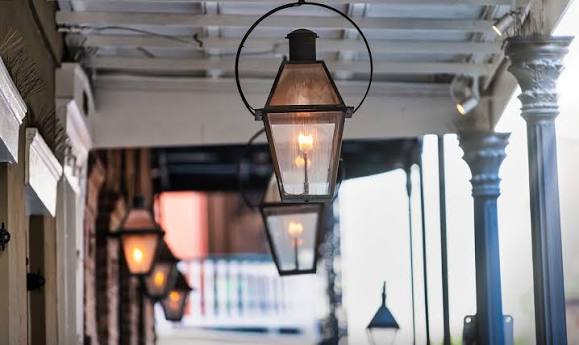
The Timeless Appeal of Gas Lights: Bringing Warmth and Character to Your Home
Lighting does more than help people see after sunset. It influences the atmosphere of a space, highlights architectural details, and contributes to the overall personality of a home. While modern electric fixtures offer plenty of practical advantages, traditional gas lighting continues to attract homeowners who appreciate craftsmanship, distinctive design, and the inviting appearance of a natural flame.
From welcoming front entrances to beautifully landscaped courtyards, gas lights can add a sense of history and elegance that complements numerous architectural styles. Understanding how these fixtures work, where they look best, and what ownership involves can help you decide whether they’re a worthwhile addition to your property.
What Makes Gas Lighting Different From Electric Lighting?
Unlike conventional electric fixtures, gas lighting produces illumination through the combustion of natural gas or propane. Many decorative residential fixtures feature exposed flames protected by glass panels, creating a gentle, flickering glow that changes naturally as the flame moves.
This distinctive appearance is one of the primary reasons homeowners choose gas lighting. Rather than producing the consistent brightness associated with electric bulbs, traditional flame-style fixtures create visual warmth and an inviting atmosphere, particularly around entrances and outdoor gathering spaces.
However, gas flames generally provide less usable illumination than modern electric lighting. Homeowners should consider them primarily as decorative or supplemental fixtures rather than replacements for adequate security or pathway lighting.
Gas Lights Complement a Variety of Architectural Styles
Although gas lighting is frequently associated with historic homes, its appeal extends well beyond traditional architecture. The right fixture can complement brick exteriors, contemporary courtyards, Mediterranean-inspired residences, and homes featuring classic Southern design elements.
For historic or traditionally styled properties, lanterns with decorative metalwork and glass enclosures can reinforce existing architectural details. Simpler designs with clean lines may be better suited to contemporary homes where understated elegance is the priority.
Proportion matters just as much as appearance. A fixture that looks attractive in a showroom might overwhelm a narrow entrance or appear undersized against a large exterior wall, making careful measurements essential before installation.
Where Should You Install Gas Lights?
Front entrances are among the most popular locations for gas lighting because a softly illuminated doorway creates an inviting first impression. Fixtures mounted beside entry doors can highlight architectural features while contributing to a welcoming atmosphere for visitors.
Covered porches, courtyards, patios, and outdoor living areas are other possibilities, provided the selected fixture is approved for the intended location. In these settings, the movement of a natural flame can add character to evening gatherings without dominating the surrounding environment.
Placement should always account for manufacturer-required clearances, ventilation, nearby combustible materials, and local installation requirements. Because gas fixtures produce heat and combustion gases, locations appropriate for electric lighting aren’t necessarily suitable for gas lighting.
How Much Maintenance Do Gas Lights Require?
Gas lighting requires ongoing attention to maintain reliable operation and preserve its appearance. Outdoor fixtures are exposed to dust, moisture, insects, and changing weather conditions, all of which can affect their appearance or performance over time.
Routine maintenance may include cleaning glass panels, inspecting accessible exterior components, and checking for visible deterioration. The specific maintenance schedule depends on the fixture’s design, operating conditions, and manufacturer recommendations.
Gas connections, burners, valves, and other fuel-system components should be inspected or serviced by qualified professionals when necessary. Attempting repairs without appropriate training can create safety hazards, particularly when dealing with leaks or combustion problems.
Understanding Installation and Safety Requirements
Installing gas lighting involves more than mounting a decorative lantern. The process may require an appropriate fuel supply, properly sized gas piping, secure connections, and compliance with applicable building and fuel-gas codes.
A qualified professional can evaluate the proposed location, determine whether the existing gas system can accommodate the fixture, and identify any necessary permits or inspections. Proper installation is particularly important when fixtures are positioned near windows, roof overhangs, or enclosed outdoor spaces.
Homeowners should also understand how to shut off the gas supply and recognize potential warning signs of malfunction. A suspected gas leak requires immediate attention and should never be investigated using an open flame.
Are Gas Lights Energy Efficient?
Energy consumption is an important consideration, especially for homeowners planning to operate their fixtures continuously. Unlike electric lighting, traditional gas lanterns consume fuel whenever their flames are burning, even during daylight hours if they remain lit.
Operating expenses depend on fuel type, fixture consumption, local utility rates, and daily usage. Comparing these factors with modern electric lighting can help homeowners understand the long-term costs before making a decision.
Some gas fixtures offer ignition or control options that allow the flame to operate only when desired. Depending on the design, these features may help reduce unnecessary fuel consumption.
Choosing the Right Materials and Finish
Because outdoor lighting must withstand changing weather conditions, construction materials deserve careful consideration. Copper, brass, and other suitable metals are commonly associated with traditional lantern designs, although their appearance and maintenance requirements differ.
Copper can develop a natural patina over time, while certain coated or treated finishes are intended to preserve a more consistent appearance. Understanding how each material ages will help you choose a fixture that complements your home’s exterior for years to come.
Add Lasting Character With Thoughtful Lighting Choices
Gas lighting offers a distinctive combination of architectural charm, natural movement, and traditional craftsmanship. Whether you’re restoring a historic residence or adding personality to a newer property, carefully selected fixtures can enhance the atmosphere of your outdoor spaces.
By considering placement, construction quality, operating expenses, and professional installation requirements, you can make an informed decision that balances appearance with practicality. With proper care, gas lights can remain an attractive architectural feature and a welcoming part of your home’s exterior for years to come.