7 HVAC Warning Signs That Shouldn’t Be Ignored
Heating and cooling equipment rarely fails without showing some sign of trouble first. A strange sound during startup, a room that takes longer to cool, or a sudden change in electricity consumption may seem insignificant. However, these small changes can sometimes indicate that important components are beginning to wear out or that the system is operating under unnecessary strain.
Many homeowners continue using their equipment as long as it turns on and produces conditioned air. Unfortunately, a functioning system is not necessarily a healthy one. Recognizing when HVAC repair services are needed can prevent minor mechanical problems from becoming more complicated. Companies such as Summit Heat & Air deal with the types of heating and cooling concerns that often begin with symptoms homeowners notice during everyday operation.
The challenge is knowing which changes deserve attention and which are part of normal equipment operation. Understanding the following warning signs can help you make better decisions about repairs, maintenance, and the long-term condition of your heating and cooling system.
1. Your HVAC System Starts and Stops Too Frequently
Most heating and cooling systems operate in cycles. They turn on when the indoor temperature moves away from the thermostat setting and shut off once the desired temperature is reached.
However, equipment that repeatedly starts and stops after only a short period may be experiencing a problem known as short cycling.
Short cycling can occur for several reasons, including thermostat malfunctions, restricted airflow, overheating, or equipment sizing problems. In cooling systems, certain refrigerant or electrical faults may also contribute to unusual cycling behavior.
Why Frequent Cycling Deserves Attention
Repeated starting can place additional stress on motors, electrical components, and other equipment. It may also prevent the system from maintaining a consistent indoor temperature.
Before requesting professional help, check whether the thermostat has an unusual schedule or incorrect settings. Make sure accessible vents are unobstructed and the air filter is in acceptable condition.
If the equipment continues cycling abnormally, a technician should investigate the underlying cause rather than simply adjusting the thermostat.
2. Unusual Sounds Are Coming From the Equipment
Every heating and cooling system produces some noise. Fans move air, compressors operate, and metal components may expand or contract as temperatures change.
The concern begins when familiar operating sounds are replaced by banging, grinding, squealing, rattling, or persistent buzzing.
A loose panel can create a rattling noise, while worn bearings or damaged moving parts may produce grinding or squealing sounds. Electrical components can also generate unusual buzzing under certain conditions.
Pay Attention to When the Noise Happens
The timing of a sound often provides useful information.
A noise that occurs only during startup may have a different cause from one that continues throughout the operating cycle. Similarly, a sound coming from the outdoor unit may indicate a different issue from one originating near the indoor blower.
Technicians investigating mechanical concerns, including those working in the same service field as Summit Heat & Air, often rely on these details to narrow down potential problems.
Avoid opening electrical compartments or attempting to repair moving components yourself. If the equipment produces loud grinding, repeated banging, or signs of electrical trouble, turn it off and arrange an inspection.
3. Your Energy Bills Increase Without a Clear Explanation
Energy expenses naturally fluctuate with weather conditions, household activity, and utility rates. However, a noticeable increase in consumption without a corresponding change in usage may indicate declining equipment performance.
For example, an air conditioner with a dirty evaporator coil may struggle to transfer heat effectively. A faulty control component might cause equipment to run longer than necessary.
Heat pumps can also consume additional energy if they rely excessively on auxiliary heating because of a malfunction or unsuitable settings.
Compare Consumption Rather Than Cost Alone
A higher utility bill does not automatically mean the HVAC system needs repairs.
Review the amount of electricity or fuel consumed during comparable periods, rather than looking only at the total bill. Changes in household occupancy, thermostat preferences, and outdoor temperatures should also be considered.
If consumption remains unusually high, professional HVAC repair services may help identify whether an equipment fault is contributing to the increase.
A proper diagnosis can distinguish between normal seasonal demand and mechanical problems that need correction.
4. Different Rooms Have Noticeably Different Temperatures
A bedroom that stays warm while the living room cools comfortably can make an otherwise functioning HVAC system frustrating to use.
Some temperature differences are caused by building characteristics, including window exposure, insulation, and room location. Others develop because conditioned air is not reaching certain areas effectively.
Restricted ductwork, poorly adjusted dampers, or insufficient return airflow may contribute to the problem.
Look for Changes From Previous Performance
A room that has always been slightly warmer than others may have a building-related issue. However, a room that suddenly becomes uncomfortable after years of consistent temperatures suggests that something has changed.
Compare airflow at accessible registers and observe whether the problem occurs during heating, cooling, or both.
A technician may need to examine duct conditions, blower performance, and equipment controls to determine what is causing the imbalance.
Simply lowering the thermostat often increases energy consumption without correcting the underlying issue.
5. Airflow From the Vents Becomes Weak
Airflow plays an important role in distributing heated or cooled air throughout a home.
When airflow weakens, some rooms may struggle to reach the desired temperature. The equipment may also operate under conditions that reduce performance or create additional mechanical stress.
Common causes include clogged filters, blower problems, restricted ductwork, and issues with system controls.
In cooling systems, significantly reduced airflow can contribute to evaporator coil freezing under certain conditions.
Avoid Assuming Every Airflow Problem Is Minor
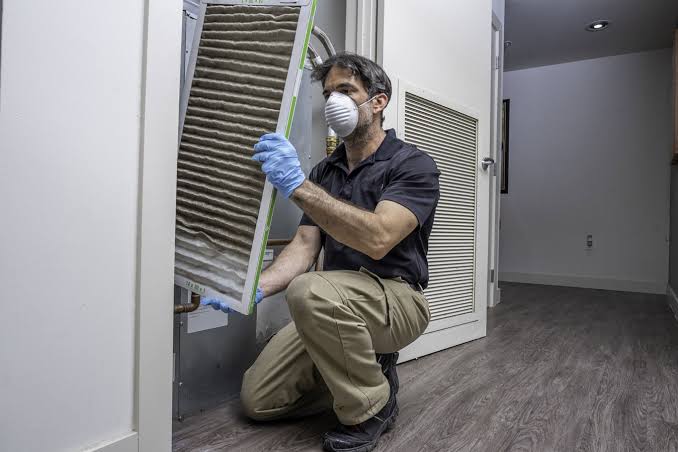
Replacing a dirty filter may restore normal circulation when the filter is responsible for the restriction. However, persistent weak airflow can indicate problems deeper within the equipment or duct system.
Homeowners should also avoid blocking return grilles or closing numerous supply registers in an attempt to redirect air.
If airflow remains noticeably weaker than usual, the system may require a professional assessment.
6. You Notice Water or Excess Moisture Around the Indoor Unit
Air conditioners remove moisture from indoor air during normal cooling operation. That moisture collects on the evaporator coil and travels through a condensate drainage system.
Problems can develop when the drain line becomes blocked, the collection pan is damaged, or another drainage component stops working correctly.
Water may begin collecting around the indoor equipment or appear on nearby floors and walls.
Moisture Problems Can Affect More Than the HVAC System
Persistent water exposure can damage flooring, ceilings, insulation, and surrounding building materials.
If moisture reaches electrical components, additional safety concerns may develop.
Unexplained water around the equipment should therefore be investigated promptly. If water is approaching electrical equipment, avoid touching the affected components and seek qualified assistance.
A technician can check the condensate system and determine whether the moisture is related to drainage, freezing, or another issue.
Professional evaluation from an HVAC contractor such as Summit Heat & Air may be appropriate when the source of the leak is not immediately clear.
7. The System Shuts Down Unexpectedly or Struggles to Restart
An HVAC system that stops without reaching the thermostat setting may be responding to an equipment fault or protective control.
Modern systems contain safety devices intended to prevent dangerous operating conditions. Some controls interrupt operation when they detect overheating, electrical problems, or other abnormal conditions.
Repeatedly resetting the equipment without addressing the reason for shutdown can allow the original problem to continue.
Know When to Stop Troubleshooting
A single interruption caused by a temporary power outage is different from a furnace or air conditioner that repeatedly refuses to operate.
Homeowners can confirm thermostat settings and check whether a circuit breaker has tripped. However, breakers that trip repeatedly should not be continually reset.
Burning electrical odors, visible sparks, smoke, or suspected gas leaks require immediate safety precautions.
For a suspected gas leak, leave the property and contact the gas utility or emergency services from a safe location.
Persistent shutdowns are a strong reason to arrange professional diagnostic work.
Why Early Diagnosis Makes a Difference
A minor performance issue does not always lead to an expensive repair, but delaying an inspection can allow some problems to become more serious.
For instance, a worn motor component may eventually prevent the blower from operating. A condensate blockage can cause property damage if water continues accumulating unnoticed.
The purpose of HVAC repair services is not simply to make equipment run again. Effective troubleshooting identifies why the system stopped performing correctly and determines which components or operating conditions require attention.
Keeping a brief record of unusual symptoms can make the inspection more productive. Note when the problem occurs, which equipment is operating, and whether the behavior changes with thermostat settings or outdoor conditions.
These observations can help a technician distinguish between intermittent problems and faults that occur consistently.
Protect Your Comfort by Responding to Warning Signs
Heating and cooling systems do not need to fail completely before they deserve attention. Changes in noise, airflow, cycling patterns, energy consumption, and indoor comfort can provide useful early warnings.
Some concerns have straightforward explanations, while others require specialized testing and repair. Knowing the difference starts with observing how the equipment normally operates and taking unfamiliar behavior seriously.
A qualified provider of HVAC repair services can assess symptoms that persist despite basic homeowner checks. Summit Heat & Air is one of the companies homeowners may consider when seeking professional heating and cooling assistance.
Addressing developing problems promptly can help maintain indoor comfort, reduce avoidable equipment strain, and support more dependable operation throughout the year.