Choosing the Right Water Heater for Your Home in Florida
Choosing the right water heater is one of those home decisions that rarely gets attention until something goes wrong. A tank starts leaking, hot water runs out halfway through a shower, or a utility bill creeps higher than expected. For homeowners in Florida, the choice is shaped by a unique mix of weather, humidity, water quality, and building codes that do not necessarily apply the same way in other states. Understanding how to choose a water heater in Florida means looking beyond price tags and thinking about climate, efficiency, and long-term maintenance.
This guide walks through the major types of water heaters, the factors that matter most in Florida’s climate, and how to make a confident, informed decision for your household.
Why Florida’s Climate Changes the Water Heater Equation
Florida’s warm, humid climate affects water heaters in ways that homeowners in cooler states rarely have to consider. Incoming groundwater temperatures in Florida tend to be higher year-round compared to northern states, which means water heaters here often work less hard to reach a target temperature. This can translate into lower energy costs for heating water, especially with tankless or heat pump models.
At the same time, humidity and heat put extra stress on certain components. Corrosion can happen faster in humid environments, particularly for units installed in garages, attics, or exterior closets without climate control. Salt air in coastal areas can accelerate wear on metal fittings and tanks. These conditions mean that durability and corrosion resistance should weigh heavily in any purchasing decision, not just upfront cost or output capacity.
Flooding risk is another factor unique to much of the state. Homes in flood-prone zones benefit from water heaters installed on raised platforms or in elevated utility spaces, and some homeowners choose tankless systems in part because they take up less floor space and can be mounted higher on a wall.
Types of Water Heaters Available for Florida Homes
Traditional Tank Water Heaters
Tank water heaters remain the most common option in Florida homes, largely because they are affordable upfront and simple to install. These units store anywhere from 30 to 80 gallons of heated water, ready for use at any time. The tradeoff is that they use energy continuously to maintain that stored water at temperature, even when no one is home.
For a family with predictable hot water needs and a moderate budget, a tank water heater is often a practical starting point. However, in Florida’s humidity, tank units are more prone to corrosion over time, so choosing a model with a quality anode rod and a glass-lined tank can extend its lifespan significantly.
Tankless (On Demand) Water Heaters
Tankless water heaters heat water only as it is needed, which eliminates the standby energy loss associated with tank models. Because Florida’s groundwater starts out warmer than in colder climates, tankless units here often perform more efficiently and reach target temperatures faster than the same units would in a northern state.
These systems also take up far less space, which is a meaningful advantage for homes with small utility closets or for homeowners converting garage space into living area. The main consideration is the higher upfront cost and the fact that gas-powered tankless models require adequate venting, which should be planned carefully in humid, enclosed spaces.
Heat Pump (Hybrid) Water Heaters
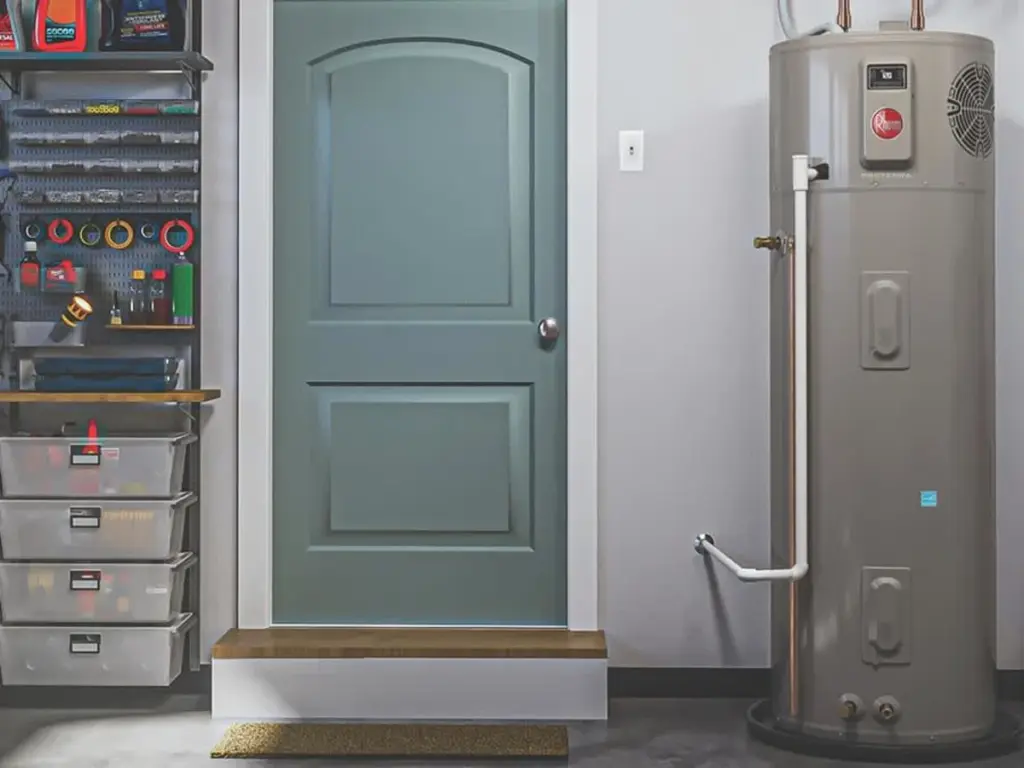
Heat pump water heaters pull warmth from the surrounding air to heat water, making them especially well suited to Florida’s warm climate. Because ambient air temperatures in Florida rarely drop low enough to hinder a heat pump’s performance, these units can run efficiently almost year-round.
Homeowners who install heat pump water heaters often see some of the lowest operating costs of any water heating option, particularly in garages or utility rooms where ambient heat is already a byproduct of the space. One tradeoff worth noting is that heat pump units can make the surrounding room feel slightly cooler, which is sometimes seen as a benefit in Florida’s heat.
Solar Water Heaters
Given Florida’s abundant sunshine, solar water heaters are a logical option for homeowners focused on long-term savings and sustainability. These systems use rooftop collectors to capture solar energy, which is then used to heat water stored in a tank. While the upfront investment is higher than other options, Florida’s consistent sun exposure allows for strong efficiency and a reasonable payback period over several years.
Solar systems typically include a backup heating element for cloudy days or periods of high demand, so hot water remains available even when sunlight is limited.
Sizing a Water Heater for Florida Households
Selecting the right size is just as important as selecting the right type. A water heater that is too small will run out of hot water during peak use, while one that is too large wastes energy heating water that never gets used.
Household size, number of bathrooms, and typical usage patterns all factor into sizing decisions. A single person or couple living in a smaller home may be well served by a 30 to 40 gallon tank or a smaller tankless unit, while a family of four or more with multiple bathrooms often needs a 50 gallon tank or a higher capacity tankless system capable of handling simultaneous use.
Tankless systems are sized differently, based on flow rate measured in gallons per minute rather than storage capacity. A professional assessment of peak demand, such as running a shower and a dishwasher simultaneously, helps determine whether a single tankless unit will suffice or whether two units should be installed in tandem.
Energy Efficiency and Cost Considerations
Energy efficiency has a direct impact on monthly utility bills, and Florida homeowners often look closely at efficiency ratings given the state’s higher reliance on air conditioning and overall energy use. The Energy Factor (EF) or Uniform Energy Factor (UEF) rating indicates how efficiently a unit converts energy into hot water, with higher numbers reflecting better efficiency.
Heat pump water heaters generally carry the highest efficiency ratings, followed by tankless units, with standard tank water heaters trailing behind. However, efficiency should be weighed against upfront cost and installation complexity. A heat pump water heater might cost more initially but pay for itself over several years through lower electricity usage, particularly in a state where units run nearly year-round due to consistent hot water demand.
Rebates and incentives are also worth researching. Some utility companies in Florida offer rebates for high-efficiency water heaters, and federal tax credits may apply to certain Energy Star-certified models. Checking current programs before purchasing can meaningfully reduce the total cost of a new system.
Water Quality and Maintenance in Florida
Water quality varies significantly across Florida, with some regions dealing with hard water high in mineral content, and others contending with higher salinity in coastal areas. Hard water can lead to mineral buildup inside a tank or around a tankless unit’s heat exchanger, reducing efficiency and shortening the unit’s lifespan if not addressed.
Installing a water softener alongside a new water heater is a common solution in areas with notably hard water. Regular maintenance, such as flushing a tank water heater annually to remove sediment, also extends the system’s working life. Tankless units benefit from periodic descaling, especially in hard water regions, to keep the heat exchanger functioning properly.
Anode rods in tank water heaters deserve particular attention in Florida. These rods are designed to corrode in place of the tank itself, and in humid or high mineral water conditions, they may need replacement more frequently than the manufacturer’s standard recommendation suggests.
Installation Location and Local Building Codes
Florida’s building codes include specific requirements for water heater installation, particularly regarding flood zones, strapping for hurricane preparedness, and ventilation for gas units. Water heaters installed in garages or attics often require drain pans and overflow protection to prevent water damage, a requirement that reflects the state’s humidity and occasional heavy rainfall.
For homes in coastal or flood-prone areas, elevating a water heater above potential flood lines is frequently required or strongly recommended. This has made closet installations and wall-mounted tankless units increasingly popular, since they can be positioned above ground level where water heaters would otherwise be installed.
Hurricane preparedness is another consideration unique to Florida. Water heaters, especially tank models, should be properly secured to prevent tipping or damage during high winds. A local licensed plumber familiar with Florida’s specific code requirements can ensure a new installation meets all current regulations.
Working with a Licensed Florida Plumber
While some aspects of water heater selection can be researched independently, installation should always be handled by a licensed plumber familiar with Florida’s codes and climate conditions. A professional can assess household hot water demand, evaluate existing plumbing and electrical capacity, and recommend a system sized appropriately for the home.
A knowledgeable plumber can also advise on specific brand and model reliability in humid, coastal, or hard water conditions, since real-world performance in Florida sometimes differs from manufacturer specifications tested in more temperate climates.
FAQ
What type of water heater lasts the longest in Florida’s climate?
Heat pump and tankless water heaters generally outlast standard tank units in Florida, provided they receive regular maintenance. Tank water heaters can still last 8 to 12 years if the anode rod is monitored and the tank is flushed periodically to manage sediment buildup.
Do tankless water heaters work well in Florida’s humidity?
Yes. Tankless water heaters perform reliably in Florida’s humidity as long as they are installed with proper venting and are not placed in areas prone to standing water or flooding.
Is a heat pump water heater a good choice for a Florida garage?
Heat pump water heaters tend to perform especially well in Florida garages, since the units draw on ambient heat to operate efficiently. The following factors make this pairing effective:
- Consistently warm garage temperatures year-round
- Lower electricity usage compared to standard tank heaters
- A cooling effect in the garage that many homeowners find beneficial
How often should a water heater be flushed in Florida?
Most manufacturers recommend flushing a tank water heater once a year, though homes with notably hard water may benefit from flushing every six months to reduce mineral buildup.
Are solar water heaters worth the investment in Florida?
For homeowners planning to stay in their home long term, solar water heaters can offer a strong return on investment given Florida’s consistent sunshine. The initial cost is higher, but reduced energy bills over time often offset the upfront expense.
What size water heater does a typical Florida family need?
A household of four with two bathrooms typically needs a 50-gallon tank water heater or a tankless system rated for at least 8 to 10 gallons per minute, though exact sizing should account for simultaneous usage patterns.
Does Florida require special permits for water heater installation?
Yes. Most Florida municipalities require a permit for water heater replacement or installation, and a licensed plumber can typically handle this process as part of the installation.
Final Thoughts
Choosing the right water heater for a Florida home comes down to balancing climate advantages, household needs, and long-term costs. The state’s warm temperatures and abundant sunshine make heat pump, tankless, and solar systems particularly appealing, while humidity and flood risk make durability and smart installation choices equally important. Taking the time to evaluate household size, water quality, and local building requirements will lead to a water heater that performs reliably for years to come, keeping hot water flowing without unnecessary energy costs or maintenance headaches.