The New Luxury Wearable: When Eyewear Meets Artificial Intelligence
Luxury technology is changing. A decade ago, the category was dominated by premium smartphones, sophisticated watches, high-end audio equipment, and beautifully designed home devices. Today, some of the most interesting technology is becoming quieter and more personal. Instead of sitting on a desk or demanding attention through another screen, it is being built into things people already wear.
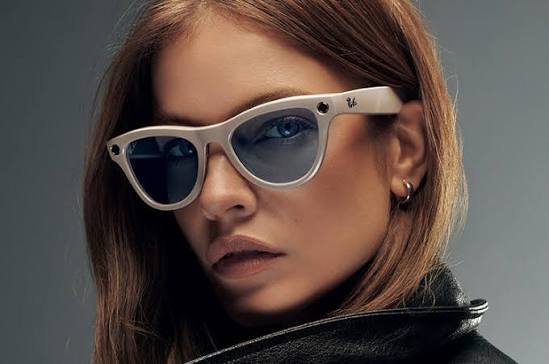
Eyewear is a natural part of that evolution. Glasses have always existed at the intersection of function and style, making them an unusually attractive platform for wearable technology. Add cameras, audio, voice controls, connectivity, and artificial intelligence, and eyewear begins to take on a new role: not simply an accessory, but a discreet interface between the wearer and the digital world.
For luxury consumers, this shift raises an interesting question. Can advanced technology feel genuinely sophisticated when it becomes almost invisible?
Luxury Technology Is Becoming Less Obvious
For years, owning advanced technology often meant carrying an obvious piece of hardware. The newest phone, camera, or watch was designed to be noticed. Today, premium technology is increasingly moving in the opposite direction.
The most elegant products often minimize the technology itself. Wireless audio removes visible cables. Smart rings conceal sensors within jewelry-like forms. High-end home systems hide controls behind automation. Wearable eyewear follows the same philosophy by incorporating digital functionality into familiar frames.
This quieter approach aligns naturally with modern luxury. Consumers are increasingly interested in products that save time, reduce friction, and work intuitively rather than simply looking technically impressive. Technology becomes more luxurious when it feels effortless.
Eyewear Already Has a Strong Fashion Identity
Smart glasses have an advantage that many wearable devices do not: eyewear already has cultural and fashion significance. People choose glasses based on frame shape, color, material, face shape, personal style, and the image they want to project. Some frames are understated, while others become signature accessories. This means smart eyewear does not have to create an entirely new fashion category. It can build on one that already exists. That is why design matters just as much as technical capability. Consumers interested in wearable technology may still reject a product if it looks too bulky, futuristic, or disconnected from their wardrobe.
For anyone curious about how established eyewear design is evolving alongside artificial intelligence, it is possible to learn more about AI glasses and see how connected features are being integrated into recognizable frame styles. The key shift is that the technology is being asked to adapt to fashion rather than expecting fashion to adapt to the technology.
Artificial Intelligence Changes What Wearables Can Do
Wearable devices have existed for years, but artificial intelligence can make them more useful because it allows interaction to become less dependent on menus and screens. Voice-based controls are an important part of this change. Instead of opening an app and navigating through several options, a user may be able to ask for information or initiate an action more naturally. AI can also help interpret context, assist with information retrieval, support communication, or work alongside cameras and audio features.
The larger idea is convenience. A luxury wearable should not require constant management. It should provide useful functions when needed and disappear into the background when it is not. This is especially important for eyewear because glasses may be worn for much of the day. The technology has to feel like an enhancement rather than a distraction.
Hands-Free Technology Fits Modern City Life
Urban lifestyles create plenty of situations where hands-free technology can be useful. Walking through a city, navigating an unfamiliar neighborhood, attending an event, shopping, commuting, or meeting friends all involve frequent transitions between physical and digital environments. Smartphones handle these tasks well, but they also require users to repeatedly stop and look down at a screen. Wearable technology offers the possibility of making certain interactions more subtle.
For someone moving through New York, for example, the appeal of intelligent eyewear may be less about futuristic novelty and more about convenience. Technology that can support communication, audio, or content capture without constantly occupying both hands can fit naturally into a fast-moving day. That practicality is important because luxury products increasingly need to offer more than appearance. Consumers expect beautiful design, but they also expect genuine utility.
Cameras Are Changing the Role of Eyewear
Camera-enabled glasses introduce another dimension to wearable technology. Instead of taking out a phone, users can capture certain moments from their own perspective. That first-person point of view can be appealing for travel, cultural events, family occasions, dining experiences, or everyday city life. It creates a more immediate form of visual storytelling because the footage reflects approximately what the wearer is seeing.
For content creators, this can provide additional footage without requiring a camera to remain in hand. For everyday users, it can simply make spontaneous photos or short videos easier to capture. The technology does not replace professional photography or smartphones, which still offer greater control in many situations. Instead, it introduces a different kind of camera—one designed around convenience and perspective rather than traditional composition.
Luxury Is Increasingly About Convenience
The definition of luxury has expanded beyond craftsmanship and materials. Time and convenience have become luxury features in their own right. A premium hotel is valuable partly because it removes friction from travel. A well-designed car automates small tasks so the driver can focus on the experience. High-quality technology works the same way.
Wearable AI can potentially reduce the number of times someone needs to stop, unlock a phone, open an app, and navigate an interface. Each individual interaction may save only a small amount of time, but the cumulative effect can make technology feel considerably more natural. This concept of effortless interaction may ultimately matter more than how many features are listed on a product page.
The Best Wearable Tech Still Has to Be Comfortable
Luxury eyewear cannot succeed on technology alone. Glasses sit on the face for long periods, which makes physical design essential. Weight distribution, frame fit, temple pressure, lens options, and overall balance can influence whether someone enjoys wearing a pair throughout the day. A beautifully designed wearable that becomes uncomfortable after an hour will struggle to become a true everyday accessory.
Materials and construction also shape perception. Consumers accustomed to premium eyewear expect frames to feel considered rather than simply serving as a container for electronics. This is where the relationship between fashion and technology becomes particularly important. Engineers may focus on fitting components into a smaller space, while designers must ensure that the final result still looks and feels like desirable eyewear.
Privacy Is Part of Modern Luxury Technology
Camera-enabled wearables also introduce social responsibilities. Because eyewear is less obvious than a handheld phone, people around the wearer may not immediately realize that a camera is present.
Responsible design and responsible use therefore matter. Clear recording indicators, understandable privacy settings, and awareness of where recording is appropriate all contribute to the overall experience.
Consumers should also understand how connected devices manage permissions and information. A sophisticated product should make these controls easy to find and understand rather than burying them behind complicated settings. As wearable technology becomes more integrated into everyday fashion, privacy will increasingly become part of product design rather than a separate technical issue.
Smart Eyewear Is Part of a Larger Fashion-Tech Movement
AI eyewear is not developing in isolation. Fashion and technology are increasingly overlapping across watches, jewelry, fitness accessories, audio products, and even clothing. The common theme is integration. Technology is being placed inside familiar objects so users do not need to carry more standalone devices.
This creates opportunities for luxury brands because design becomes a competitive advantage. When similar technologies become widely available, consumers may choose between products based on aesthetics, craftsmanship, comfort, brand identity, and how naturally the device fits into their lives.
In that sense, the future of wearable technology may look surprisingly traditional. The most advanced products may resemble ordinary glasses, watches, or jewelry while quietly providing capabilities that would have seemed futuristic only a few years ago.
The Future of Luxury Wearables Is Subtle
The next generation of luxury technology is unlikely to be defined by the biggest screen or the most visible hardware. Instead, the trend is moving toward products that feel integrated, intuitive, and personal. Eyewear is particularly well positioned for this shift because it is already both functional and expressive. Adding artificial intelligence and connected features creates a new category that sits somewhere between fashion, personal technology, and everyday utility.
Whether intelligent eyewear becomes as common as smartwatches remains to be seen, but its direction reflects a broader change in consumer technology. People increasingly want devices that work around their lives rather than forcing their lives to revolve around devices. For luxury technology, that may be the most important innovation of all: making powerful technology feel almost invisible.