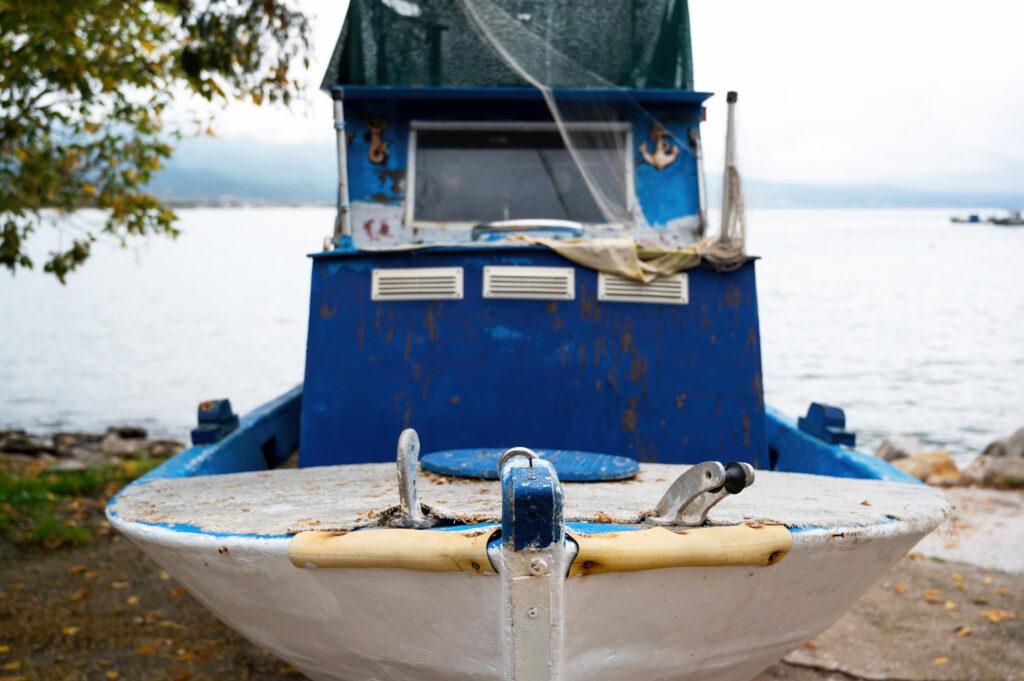
What to Do After a Serious Accident on a Fishing Boat
The deck pitches, the winch snaps, and in under two seconds somebody is on the steel with a leg bent the wrong way. Nobody hands you a manual. On most boats, the guy who reaches you first is also the guy who owns the boat, and that is exactly when things get complicated.
So here is the honest version: the hours right after a serious accident are chaos, and the decisions you make in that chaos tend to follow you for years. I have watched this play out on docks from Kodiak to Newport, and the pattern barely changes. Vessel owners carry insurance, insurers carry lawyers, and the crew usually carries nothing but a duffel bag. Getting organized fast is not paranoia. It is the whole game.
The first move is almost always a phone call, and it is worth making before the adrenaline wears off. If you were hurt on a boat, whether you are a deckhand, a processor, or a welder working a barge, seeking legal help for a maritime accident puts a person between you and the paperwork before you sign anything you cannot take back.
U.S. maritime law did not start in a conference room
Most people assume seamen’s rights came out of modern legislation. That is backward. Congress is a latecomer to this party.
American judges were writing maritime rules before Congress was writing much of anything. Early federal courts borrowed from old English admiralty practice, where a ship’s crew had a lien against the vessel itself for unpaid wages. The idea that a seaman deserved special protection was baked in from before the Constitution. Justice Joseph Story, sitting on the Supreme Court in the 1820s, treated seamen as a class that needed guarding because they could not bargain on equal terms. Read those old opinions and you can hear exactly the same problem you would see on a 2020s crab boat: the employer holds the contract, the crew holds the risk.
That lineage matters to you practically. It is why maritime injury cases do not run through state workers’ comp, and it is why a Land O’Lakes clerk who means well cannot answer your question. Federal law covers a different world, with a different set of remedies, and the rules have names: Jones Act, unseaworthiness, maintenance and cure. Your uncle who got hurt at a grain elevator got a completely different deal than you are about to get.
If you want to feel how strange this terrain is, read the system’s own numbers. The Bureau of Labor Statistics sorts and tracks commercial fishing among the most hazardous occupations on its list, which is a bureaucratic way of saying what every deckhand already knows. And the risk does not sit still. The National Transportation Safety Board has spent decades investigating marine casualties and issuing recommendations about how those accidents happen, from gear failure to stability. Read one of their reports and you will recognize your own boat in it.
Four documents that decide your case before any lawyer sees it
Here is the part I would tattoo on a wheelhouse wall if I could. Ships do not run on diesel. They run on paper, and the paper you touch in the first week matters more than anything a doctor writes later.
The insurance company’s first job is to lock in your version of events while you are foggy and grateful. The second job is to get you to sign something. Watch for these four:
- Your own statement. Written, recorded, signed at the hospital, whatever they ask for. Give the facts plainly and do not estimate things you cannot see.
- A release. It often arrives disguised as a small payment for “temporary help” or an advance against medical costs. That signature can shrink your claim to the size of the check.
- An accident report. If somebody else writes it, read every line before it goes to the office. Wrong details about the weather, the load, or the sequence of events will haunt you.
- A light-duty offer. Sometimes it is genuine. Sometimes it is a way to move you off maintenance and cure and onto a payroll that kills your wage-loss claim.
Two things I would protect above everything else. Photographs, taken the same day if you possibly can: the snapped cable, the missing guard, the wet grate, the position of the winch. And every scrap of paper that proves you were working that trip, from your crew list entry to your settlement sheet. Your memory of how things looked will dull. A photo will not.
Then there is the medical piece. Studies on cold-water work and commercial fishing crews appear in the Centers for Disease Control and Prevention research library. The short version: deck injuries tend to be severe, and returning to the boat too early is the single most reliable way to turn a bad season into a career-ending one. Your doctor and your lawyer should both know the full picture of your job, not a sanitized version of it. Most of them never get the real one.
The first 72 hours: a plain checklist
You do not need to be thorough in an emergency. You need to be fast and specific. Here is the sequence I would follow, and I would keep it simple enough to run from a phone on a dock at 3 a.m. with the wind blowing.
- Get treated first. Everything else waits.
- Tell one person you trust exactly what happened, in plain words, before anyone else shapes the story.
- Write your own version the same day, with the date, the boat name, the sea state, and the time.
- Ask a shipmate to write their own version. Two independent accounts beat one polished one.
- Photograph the scene, the gear, and your injuries if you can.
- Keep every document, including the ones that look boring.
- Do not sign a release or a full statement until someone checks the paperwork on your side.
- Find out which federal rules apply before you agree that state workers’ comp is your only path.
What tends to sink people is not the injury. It is the quiet assumption that the boat’s insurer is on their side because the adjuster sounds kind. Adjusters are pleasant by trade. That says nothing about how your claim will be treated in month four, when the medical bills arrive and the season is already over.
What this actually costs you, and who pays
Weigh the two deals in front of you honestly. Take a fast settlement and get a modest check now, then eat every future medical bill yourself. Or push the thing properly and give up some time, some phone calls, and probably a stretch of your patience. I would take the second deal every time. The first deal feels like relief because it is immediate; the second feels like work because it is.
One more thing people rarely say out loud. A boat is a tight community, and filing anything can feel like burning a bridge. But a captain who cuts corners on gear safety and crew hours is going to do it to somebody else on the next trip. Ask around the dock. You will usually learn that you are not the first person this happened to.
Where this leaves you
The hours after an accident at sea decide more than the hours after most accidents ashore. The rules underneath your case were built over two centuries to protect people in your exact position, and they still do, but only for the crew who use them. Get treated, keep your paper, keep the photos, and do not treat an early check as the end of the story.
So here is the question worth sitting with tonight: if the boat is already back out and your case is still open, who is actually watching out for your side of it?