Which Toyota Model Matches Your Everyday Driving Needs?
Choosing the right vehicle involves more than comparing prices, exterior designs, and available features. Your daily routine, commuting distance, family responsibilities, and weekend activities all influence which car will suit you best. Toyota offers a diverse lineup of sedans, SUVs, trucks, hybrids, and other vehicles designed for different driving needs. Exploring the options available through Deery Toyota can help you understand which type of vehicle fits your lifestyle and budget. By considering passenger space, fuel efficiency, comfort, performance, and ownership costs, you can narrow your choices and find a Toyota that makes everyday travel more convenient.
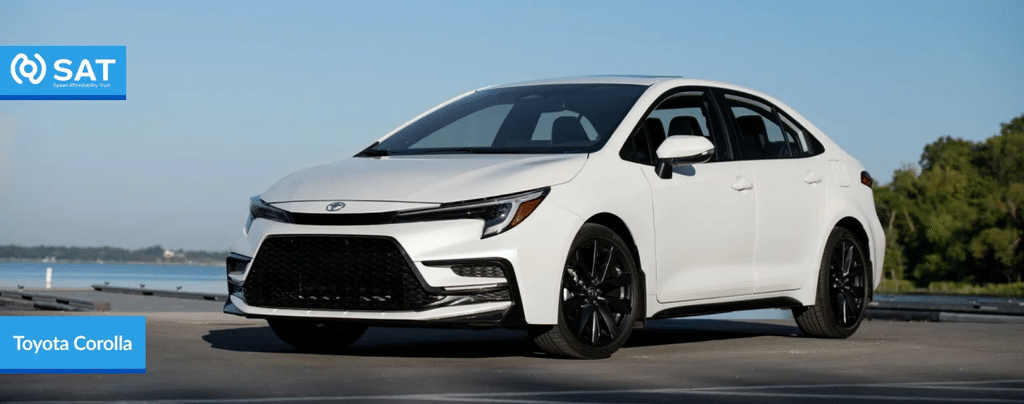
1. Toyota Corolla: A Practical Choice for Daily Commuting
The Toyota Corolla is worth considering for drivers who want a compact, practical vehicle for everyday transportation. Its manageable size makes it suitable for commuting, running errands, and navigating busy streets or crowded parking areas.
Fuel efficiency is another reason many drivers consider the Corolla. Depending on the model year and powertrain, it can provide economical everyday driving while keeping routine transportation costs manageable. Hybrid versions may offer additional fuel savings for people who frequently travel through urban areas.
The Corolla also provides useful technology and convenience features, depending on the trim level. Available smartphone integration, driver-assistance technologies, and modern infotainment systems can make regular journeys more comfortable.
For students, first-time car owners, and commuters who rarely need extensive cargo space, the Corolla can be a sensible option. However, drivers who regularly transport several passengers or bulky equipment may prefer a larger vehicle.
2. Toyota Camry: Comfort for Longer Drives
Drivers who spend considerable time behind the wheel may appreciate the Toyota Camry. This midsize sedan offers a different balance of passenger space, comfort, and driving refinement compared with a compact car.
The Camry can suit professionals with longer commutes, couples who enjoy road trips, and small families who want a comfortable everyday vehicle. Its cabin provides space for passengers, while the trunk accommodates groceries, luggage, and other daily essentials.
Depending on the model year and configuration, the Camry may offer features such as advanced climate controls, touchscreen infotainment, and driver-assistance systems. Recent versions are available with hybrid powertrains, making fuel economy an important consideration for drivers who cover substantial distances.
Although the Camry is larger than the Corolla, it remains a sedan rather than a dedicated utility vehicle. If your routine involves frequent transportation of large items, outdoor equipment, or multiple bulky bags, an SUV may provide greater flexibility.
3. Toyota Prius: An Option for Fuel-Conscious Drivers
The Toyota Prius is particularly appealing to drivers who prioritize fuel efficiency. Its hybrid powertrain combines a gasoline engine with electric-motor assistance, helping reduce fuel consumption in many driving situations.
This can be valuable for people who commute frequently, travel between appointments, or spend considerable time driving through stop-and-go traffic. Hybrid systems can recover energy during deceleration and use electric assistance to improve efficiency.
The Prius also offers a distinctive design and a practical cabin, making it suitable for drivers who want everyday convenience alongside lower fuel consumption.
Before choosing a Prius, consider your driving patterns and overall budget. Although fuel savings may be attractive, the purchase price, insurance, maintenance requirements, and expected ownership period should all factor into the decision.
Drivers who regularly travel long distances may appreciate the reduced number of fuel stops, while urban commuters may benefit from the efficiency of hybrid operation. Comparing the Prius with other Toyota hybrid models can help determine which vehicle offers the best combination of space and economy.
4. Toyota RAV4: Flexibility for Everyday Adventures
The Toyota RAV4 is a compact SUV designed for drivers who want a practical combination of passenger comfort, cargo capacity, and everyday versatility.
Its elevated seating position may appeal to drivers who prefer a higher view of the road. The SUV body style also offers useful space for groceries, luggage, sports equipment, and other items that may be difficult to accommodate in a smaller sedan.
The RAV4 can be a good match for families, active individuals, and commuters who need additional flexibility throughout the week. Available features vary by model year and trim, but certain configurations offer all-wheel drive and additional driver-assistance technologies.
Hybrid versions may also appeal to drivers seeking SUV practicality without the fuel consumption associated with some larger vehicles.
However, an SUV may cost more to purchase or operate than a smaller sedan, depending on the model and configuration. Consider whether you genuinely need the extra cargo space and seating flexibility before paying for a larger vehicle.
5. Toyota Highlander: Space for Growing Families
For households that regularly transport several passengers, the Toyota Highlander is worth evaluating. This midsize SUV offers three-row seating in many configurations, providing greater flexibility for family transportation.
Parents may appreciate the ability to accommodate children, friends, and additional passengers while retaining space for everyday belongings. The Highlander can also be useful for vacations, weekend activities, and longer family journeys.
When evaluating a three-row SUV, think about how often you will use the additional seating. Third-row comfort and available cargo space can vary depending on the model year and configuration. It is worth testing the seating arrangement with the people who will regularly travel in the vehicle.
Also consider fuel costs, parking dimensions, insurance, and routine maintenance. A larger vehicle may be convenient for a busy household, but drivers who rarely carry more than two or three passengers might find a smaller SUV more economical.
6. Toyota Tacoma: A Useful Partner for Work and Recreation
Drivers who need a pickup truck for work, outdoor activities, or transporting equipment may want to consider the Toyota Tacoma.
Unlike a sedan or compact SUV, a pickup provides an open cargo bed that can accommodate many items that would be awkward to carry inside a passenger vehicle. Depending on the configuration, the Tacoma may also support towing and other demanding tasks within its specified limits.
It can be suitable for tradespeople, outdoor enthusiasts, and drivers who regularly transport tools, recreational equipment, or supplies.
Before selecting a Tacoma, evaluate your actual hauling and towing requirements. Payload and towing capacities vary by model year, engine, trim, and configuration, so consult the vehicle’s specifications rather than assuming every version offers the same capabilities.
A pickup may also have different fuel, tire, and maintenance costs from a smaller passenger vehicle. If you primarily commute on paved roads and rarely need a truck bed, another Toyota model could provide better everyday value.
7. Consider Your Budget, Features, and Long-Term Needs
Identifying the right Toyota model starts with understanding how much you can comfortably spend. Look beyond the purchase price and account for insurance, fuel, financing, maintenance, registration, and potential repairs.
Your current lifestyle matters, but future plans are also worth considering. Someone expecting a growing family may benefit from additional passenger space, while a driver planning to move frequently between urban areas may prefer a compact vehicle that is easy to park.
Compare available safety features and check independent safety ratings for the specific model year you are considering. Technology and equipment can vary significantly between trims, so confirm which features are included.
Finally, take a test drive whenever possible. Evaluate seating comfort, visibility, handling, braking, cabin noise, and ease of using the controls. A vehicle that looks ideal on paper should also feel comfortable during the types of journeys you make most often.
Conclusion
The best Toyota model for your everyday driving needs depends on how you travel, what you carry, and how much you want to spend on ownership. The Corolla offers compact practicality, the Camry emphasizes sedan comfort, and the Prius focuses on hybrid efficiency. The RAV4 provides SUV versatility, the Highlander accommodates larger households, and the Tacoma serves drivers who need pickup-truck capabilities.
Rather than choosing based on popularity alone, compare each vehicle’s space, performance, efficiency, safety features, and long-term costs. Reviewing your daily routine and testing suitable models can help you identify the right balance of comfort, convenience, and value. With thoughtful research, you can choose a Toyota that fits your current lifestyle and supports your transportation needs for years to come.