5 Factors to Consider Before Buying Your Next Car in Burlington
Buying a car is an important decision that can influence your finances, daily routine, and long-term comfort. Whether you need a dependable vehicle for commuting, a spacious SUV for family trips, or a truck for demanding tasks, choosing the right model requires careful planning. With so many makes, models, and features available, it is easy to focus on appearance or monthly payments while overlooking other important considerations. Exploring the options at Burlington Iowa car dealerships can help you compare vehicles and understand what fits your needs. Before making a final decision, consider five essential factors that can make your next car purchase more practical and rewarding.
1. Determine Your Budget and Total Ownership Costs
Your budget should be the starting point when shopping for a vehicle. Establishing a realistic spending limit helps narrow your options and reduces the risk of choosing a car that creates unnecessary financial pressure.
However, the purchase price is only one part of the overall expense. Owning a vehicle involves several ongoing costs that can vary depending on its age, model, condition, and intended use.
Consider the following expenses before making a decision:
- Insurance: Premiums depend on factors such as the vehicle, driving history, location, and selected coverage.
- Fuel and maintenance: Fuel economy, oil changes, tire replacements, and routine servicing affect long-term affordability.
- Registration and repairs: Registration fees, taxes, unexpected mechanical problems, and replacement parts should also be included in your calculations.
If you plan to finance your purchase, compare interest rates, loan terms, down payment requirements, and total repayment amounts. A lower monthly payment may appear attractive, but a longer loan term can increase the total interest paid.
By considering the complete cost of ownership, you can choose a vehicle that meets your needs without stretching your finances too far.
2. Choose a Vehicle That Matches Your Lifestyle
The best car for one driver may not be the right choice for another. Your daily routine, family size, commuting distance, and recreational activities should influence the type of vehicle you select.
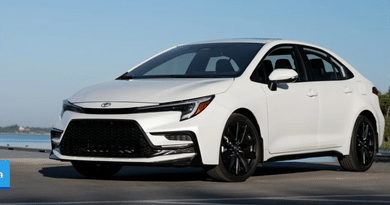
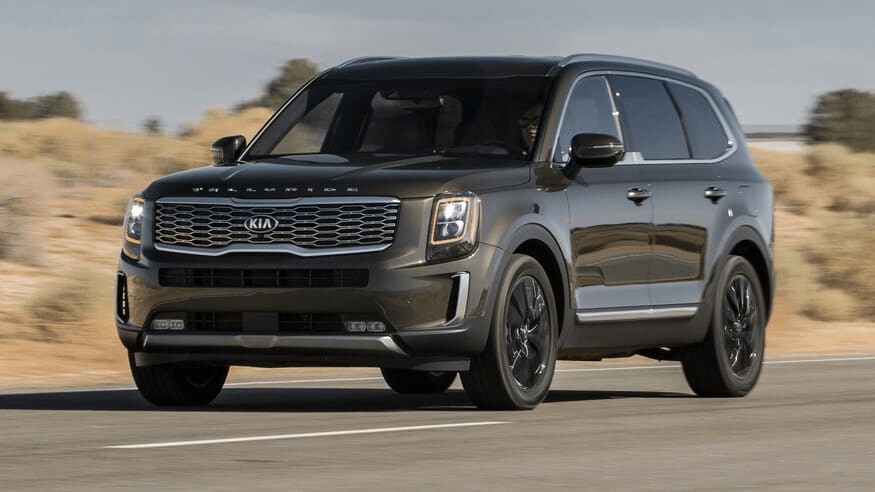
For example, a compact sedan may be suitable for commuting, running errands, and navigating busy parking areas. Drivers who regularly travel with children, friends, or substantial luggage may prefer an SUV with additional passenger and cargo space.
A pickup truck can be useful for transporting equipment, handling work-related tasks, or towing compatible loads. Meanwhile, a hybrid or electric vehicle may appeal to drivers interested in reducing fuel consumption, provided the vehicle suits their driving habits and charging access.
Think about your typical driving conditions before comparing specific models. Consider whether you primarily travel on highways, make frequent short trips, or regularly encounter challenging weather.
It is also helpful to distinguish essential features from optional extras. Adequate passenger space, comfortable seating, useful storage, and good visibility may be more valuable in everyday use than features you rarely need.
Selecting a vehicle that supports your actual lifestyle will help you get greater value from your purchase over time.
3. Evaluate Safety Features and Reliability
Safety should be a major priority when buying your next car. Modern vehicles offer a range of technologies designed to help drivers maintain awareness, avoid collisions, and protect occupants during accidents.
Depending on the model and trim level, useful features may include automatic emergency braking, blind-spot monitoring, lane-departure warnings, rearview cameras, and adaptive cruise control.
Nevertheless, having more technology does not automatically make one vehicle safer than another. Research independent safety ratings and check which features are included in the specific vehicle you are considering.
Reliability is equally important because frequent mechanical problems can lead to unexpected expenses and inconvenience. Research the model’s reliability history, typical maintenance requirements, and reported mechanical issues.
If you are considering a pre-owned vehicle, review its maintenance records and available vehicle history report. Look for evidence of regular servicing and investigate any accident history, title concerns, or inconsistent mileage information.
An independent inspection by a qualified mechanic can provide additional reassurance about the engine, transmission, brakes, tires, suspension, and electrical systems.
Taking these steps before purchasing can help you avoid preventable problems and choose a vehicle that offers dependable everyday transportation.
4. Compare New and Pre-Owned Vehicle Options
Another important consideration is whether to buy a new car or a pre-owned model. Both options offer advantages, and the right choice depends on your budget, preferences, and expectations for ownership.
New vehicles typically provide the latest available technology, modern safety features, and manufacturer warranty coverage. Buyers can also choose from available colors, trims, and optional equipment when ordering certain models.
However, new cars generally cost more upfront and experience depreciation as they age. Depending on the model, this can represent a significant expense during the first few years of ownership.
Pre-owned vehicles may offer a lower purchase price and access to higher trim levels within the same budget. They can be particularly appealing to buyers who prioritize affordability over having the newest available model.
The trade-off is that used vehicles may have more wear, limited warranty coverage, or maintenance needs that require additional spending. Certified pre-owned vehicles can provide another option, often combining an inspection process with specific warranty benefits, although program terms vary.
Compare the purchase price, mileage, condition, warranty coverage, financing options, and expected maintenance costs before deciding. The goal is to find the best overall value rather than automatically choosing the newest or least expensive vehicle.
5. Consider Fuel Efficiency, Comfort, and Long-Term Value
A vehicle should be affordable to operate and comfortable enough for your everyday journeys. Fuel efficiency is especially important if you commute regularly or expect to drive long distances.
Compare the estimated fuel economy of different models and consider how much you typically drive. A vehicle with a higher purchase price but better fuel efficiency may offer savings over time, depending on your mileage and fuel costs.
Hybrid and electric vehicles are also worth evaluating if their capabilities align with your needs. Consider battery range, charging availability, maintenance requirements, and the type of journeys you regularly make.
Comfort deserves attention as well. Seat support, cabin space, visibility, climate control, noise levels, and ease of entry can make a noticeable difference during daily use.
Before purchasing, take the vehicle for a thorough test drive. Drive on roads similar to those you use regularly, paying attention to steering response, braking, acceleration, ride quality, and overall visibility.
Finally, consider resale value. Models with strong demand, good reliability records, and reasonable operating costs may be easier to sell later. Although future resale prices cannot be guaranteed, researching depreciation trends can help you make a more informed choice.
Conclusion
Buying your next car in Burlington involves more than selecting a model that looks appealing. Your budget, lifestyle, safety requirements, choice between new and pre-owned vehicles, and long-term ownership costs all deserve careful consideration.
By comparing these five factors, you can narrow your options and identify a vehicle that supports your everyday needs while remaining financially manageable. Researching different models, reviewing vehicle histories, checking safety ratings, and taking test drives can also help you make a confident decision.
A thoughtful approach to car shopping allows you to focus on practical value rather than short-term excitement. With the right preparation, you can choose a vehicle that offers comfort, reliability, and usefulness for years to come.