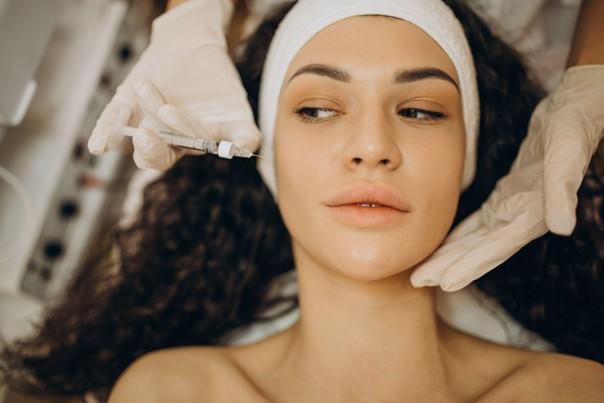
Good Faith Exam for Clinics: Why It Matters Before Botox and Dermal Fillers
Botox and dermal fillers are often called quick, low-downtime treatments. Yet minimally invasive does not mean medically minor. A good faith exam for clinics that offer injectables is the step that links a patient’s health history to a safe, informed treatment decision.
Demand keeps these treatments at the center of aesthetic care. U.S. industry data counted nearly 9.9 million neuromodulator injections and more than 5.3 million hyaluronic acid filler procedures in 2024. Together, these two categories now make up about 80% of all minimally invasive cosmetic procedures.
Each of those treatments starts with a question: is this right for this patient, today? This article explains what a good faith exam is, who can perform one, and why it matters to patients, providers, and clinic owners.
What is a GFE in aesthetics?
A good faith exam (GFE) is a medical evaluation by a licensed provider before a patient receives a medical aesthetic treatment. The provider reviews the patient’s health and goals, decides whether treatment is appropriate, and documents that decision.
Botox is a prescription drug, and dermal fillers are FDA-regulated medical devices. That is why many states expect a qualified provider to establish a patient relationship before anyone injects. The GFE is how that relationship begins.
What the exam reviews
A thorough evaluation usually covers:
- Medical history: neuromuscular conditions, autoimmune disease, bleeding disorders, and past reactions to treatment.
- Current medications and supplements: blood thinners, fish oil, and certain antibiotics can affect bruising or how a toxin behaves.
- Allergies: including sensitivity to lidocaine, which many fillers contain.
- Pregnancy or breastfeeding: most injectables are avoided during both.
- Previous aesthetic treatments: recent toxin, existing or permanent fillers, and any complications.
- Skin at the treatment site: active infection, cold sores, or inflammation.
- Treatment goals: what the patient hopes to change, and whether that is realistic.
A common scenario
Consider a patient booking lip filler who mentions frequent cold sores during her exam. Injections near the lips can trigger an outbreak. The provider may recommend preventive antiviral medication or adjust timing, a step that would be missed without a proper review.
What is the purpose of GFE?
The purpose of a GFE is to confirm that a treatment is medically appropriate for a specific patient before it happens. It protects the patient, guides the injector, and creates a clear record of clinical reasoning.
Spotting risks before they become complications
Botox carries an FDA boxed warning about the toxin’s effect spreading beyond the injection site. Patients with certain neuromuscular disorders may face higher risk. A provider can only weigh that risk if the condition is disclosed and reviewed.
Fillers carry their own concerns. The FDA has warned that accidental injection into a blood vessel can block blood flow, and in rare cases cause tissue damage or vision problems. A GFE does not remove that risk, but it ensures patients hear about it before they consent.
Supporting informed consent
Informed consent means the patient understands the benefits, risks, and alternatives before agreeing to treatment. A GFE gives that conversation structure. Patients can ask questions, and providers can correct unrealistic expectations early.
Creating clinical documentation
A documented exam shows who evaluated the patient, what was reviewed, and why treatment was approved, modified, or declined. That record supports continuity of care if a complication occurs and helps clinics show they followed appropriate standards.
Key insights:
- A GFE is a clinical decision point, not a formality or a signature on a form.
- Its value depends on honest disclosure from the patient and careful review by the provider.
- Some patients will be told to wait, see a specialist, or choose another option, and that is the process working.
- Documentation protects patients and practices alike.
Can an RN do a good faith exam?
In most states, a registered nurse (RN) cannot perform the good faith exam itself. The exam typically requires a provider with authority to assess, diagnose, and prescribe, such as a physician (MD or DO), nurse practitioner (NP), or physician assistant (PA).
RNs still play a central role. In many states, an RN may administer Botox or fillers under a qualified provider’s order or delegation after the GFE is complete. RNs often gather intake details, reinforce patient education, and monitor patients during and after treatment.
Scope-of-practice rules differ by state and change over time. Clinics should confirm current requirements with their state medical and nursing boards. This is general information, not legal advice.
How clinics build a good faith exam into patient care
A GFE works best as a routine part of the patient journey rather than a last-minute hurdle. Many practices now use telehealth evaluations, where permitted by state law, so a licensed provider can review the patient by secure video before the treatment appointment.
Some clinics run exams with in-house providers. Others choose a dedicated good faith exam for clinics service. GoodFaithExams.com, for example, is a nurse-owned company that provides good faith exams for medical spas and aesthetic clinics across the United States. Either way, the treatment decision must stay under qualified medical oversight.
Practical steps
- Confirm your state’s rules on who may perform GFEs and whether telehealth is allowed.
- Collect a complete intake form, including medications and allergies, before the exam.
- Schedule the GFE before the treatment day when possible, so patients are not rushed.
- Document the clearance, any restrictions, and the approved treatment plan.
- Set a re-exam schedule, and repeat the GFE when a patient’s health or medications change.
- Create a clear path for referral or escalation when concerns come up.
Limitations to keep in mind
- A GFE lowers risk but does not make any treatment risk-free.
- It relies on patients sharing accurate and complete information.
- A video visit cannot replace every element of a hands-on assessment.
- Rules vary by state, so one workflow may not fit every location.
- A clearance reflects the patient’s health at one point in time.
Conclusion
A good faith exam takes only a short time, yet it shapes everything that follows: who is treated, how, and with what understanding of the risks. For patients, it is a chance to be heard. For clinics, it is evidence that care came before the appointment book.
As injectables become as routine as a haircut for many people, the real question is not whether a GFE slows things down. It is whether any patient should receive a prescription treatment without someone first asking, and truly listening to, the answer to “Is this right for you?”