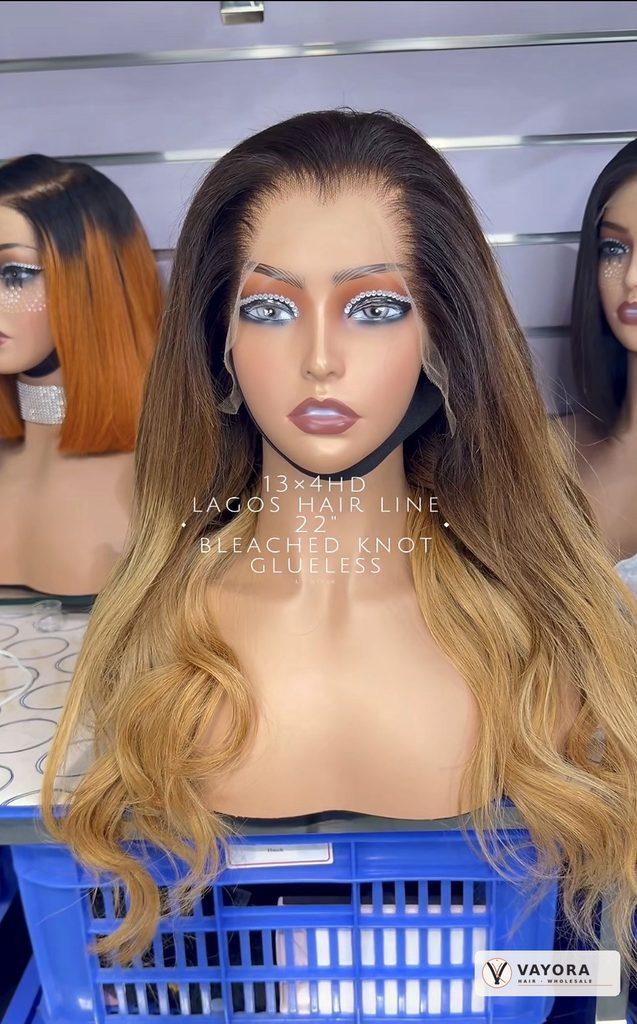
Beyond “Glueless”: 7 Details That Make a Human Hair Wig Easier to Wear
The promise of a glueless wig sounds wonderfully simple: put it on, adjust the fit and get on with your day. Yet two wigs carrying the same label can feel completely different after several hours. One may stay comfortable through a commute and an evening out; another may need repeated adjustment before lunchtime. The difference usually comes from the details you cannot judge from a product photograph alone.
For anyone choosing a human hair wig for regular wear, it helps to look beyond the headline claims and understand how the cap, lace, hairline and weight work together. The following seven checks make a much more useful buying guide than a promise of ‘instant installation’.
1. Check the cap fit before judging the hairstyle
A wig should sit securely without relying on uncomfortable pressure. Check whether the brand offers a stated cap circumference, adjustable straps or elastic bands, and guidance for measuring your head. A beautifully finished wig will still feel awkward if the cap is too small, slips at the nape or bunches behind the ears. An elastic band can improve stability, but it should not be tightened until it causes discomfort.
Ask whether the cap has a fixed or adjustable structure and whether measurements account for hair worn underneath. If you usually braid or wrap your natural hair under a wig, consider that profile when assessing the fit. A good seller should explain what the adjustable elements can and cannot correct.
2. Understand what the lace dimensions actually mean
Descriptions such as 4×4, 5×5 and 13×4 refer to different lace layouts, not a universal scale of quality. A compact lace closure may allow a smaller parting area and a straightforward routine; a larger lace front can offer broader styling freedom at the front of the wig. That extra area may also require more attention during positioning and finishing.
Consider where you actually want to part your hair. If you wear the same centre part most days, you may not need the most expansive lace construction. If you like changing the front parting or creating several face-framing looks, inspect the available hand-tied area rather than assuming every ‘lace front’ works the same way.
3. Look closely at the hairline and knot finishing
A realistic-looking front depends on more than the name of the lace material. The size and colour of the knots, the density transition around the hairline and the way individual strands are placed all affect the finished look. ‘Pre-plucked’ and ‘bleached knots’ describe processes, but those labels alone do not confirm the quality of the result.
Ask for close-up photographs in natural light, ideally from the front and at an angle. Look for an even transition instead of a stark, heavy line. Bleaching must also be managed carefully: over-processing can weaken knots. A sensible retailer can show an actual sample rather than relying only on beauty shots with styling filters.
4. Do not confuse density with comfort
A fuller wig can deliver a dramatic silhouette, but more hair does not automatically make a better everyday piece. Density affects both appearance and the amount of material carried by the cap. Long hair, thicker textures and dense construction may contribute to an overall weight that feels very different from a shorter, lighter style.
When comparing products, ask for the finished weight of the particular length and style, not just the percentage density. Remember that density labels are not always applied consistently across brands. The important question is whether the wig delivers the movement and volume you want while still feeling manageable throughout your routine.
5. Inspect the security system behind ‘glueless’
Glueless generally means the unit is designed to be worn without adhesive, but there is no single standard construction. Depending on the wig, stability might come from an adjustable band, internal combs, cap shaping or a combination of these features. Each has trade-offs. Combs may be unsuitable for delicate hair in some locations, while elastic security depends on the correct cap size.
Before purchasing, request an image of the inside of the cap. You should be able to see the strap arrangement, band placement and any combs or clips. If you have a sensitive scalp or experience discomfort from pressure, discuss the options with a qualified stylist. A product should never need to be painfully tight to stay on.
6. Ask how the human hair was processed
‘100% human hair’ describes the fibre, not the full quality history. Colour processing, texture treatment, cuticle alignment and finishing can all change how hair behaves after repeated washing. Descriptions such as ‘virgin’ or ‘Remy’ should prompt informed questions rather than automatic assumptions about performance.
Ask what the available sample actually represents: the exact texture, colour and processing level you intend to buy. If you regularly style with heat, request care instructions and test a small, inconspicuous section on a suitable setting. Human hair is not heat-proof, and bleaching or repeated colouring can shorten its useful life. Avoid promises that any wig will last a fixed number of months without considering frequency of use and care.
7. Plan a realistic upkeep routine
Easy installation should not be confused with maintenance-free wear. Washing frequency will depend on styling products, climate and how often the wig is worn. Gentle detangling, careful drying of the cap and sensible storage can preserve the shape and avoid unnecessary stress on the lace. For textured hair, detangle patiently in sections using products suited to that fibre and finish.
The fitting routine matters as much as the washing routine. Give yourself time to secure the wig, check the position at the temples and make sure the lace lies comfortably against the skin. Remove and readjust a wig that rubs or pulls rather than trying to tolerate the problem all day.
A buyer-friendly way to compare two glueless wigs
Create a simple side-by-side checklist: cap circumference, available adjustment, lace dimensions, hairline finish, finished weight, hair texture, fibre processing and care guidance. Ask the seller which details are fixed and which can be selected. When a brand is sourcing several versions, a documented approved sample is far more useful than one appealing studio photograph.
Brands and salons planning a consistent range can use Vayora Hair’s glueless wig development guide to see how cap security, lace, hairline and weight become clear sample specifications. For an individual buyer, the same principles translate into better questions before checkout.
The bottom line
The most wearable wig is not necessarily the one advertised with the most features. It is the one whose construction supports your preferred parting, daily schedule and comfort needs. A few thoughtful questions about what sits beneath the hair can help you choose a piece you will actually enjoy wearing.