What to Do When You Need Emergency HVAC Repair
What Qualifies as an HVAC Emergency?
Not every HVAC hiccup warrants an emergency call. A minor issue might wait for standard business hours, but certain situations demand immediate professional attention to protect your home, health, and safety. Understanding the distinction is crucial.
Critical Safety Hazards: Gas Leaks, CO Alarms, and Electrical Smells
The most pressing HVAC emergencies are those that pose an immediate risk to life and property. These situations require swift action, often involving evacuation and contacting emergency services before an HVAC technician.
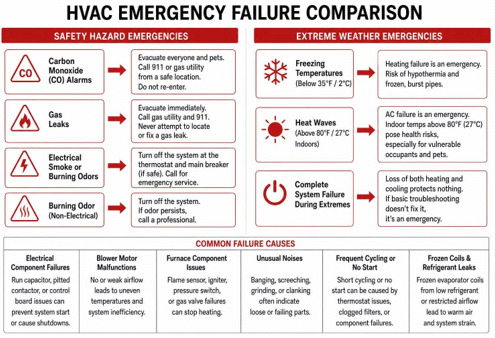
- Carbon Monoxide (CO) Alarms: If your carbon monoxide detector sounds, it’s a critical emergency. CO is an odorless, colorless, and highly toxic gas. Immediately evacuate everyone from the building, including pets, and call 911 or your local gas utility from a safe location. Do not re-enter until authorities declare it safe.
- Gas Leaks: A distinct rotten egg smell is the tell-tale sign of a natural gas leak. Like a CO alarm, this requires immediate evacuation and a call to your gas utility and 911. Never attempt to locate or fix a gas leak yourself.
- Electrical Smoke or Burning Odors: Any smell of burning plastic, melting wire, or visible smoke coming from your HVAC unit or vents indicates a serious electrical problem. This could lead to a fire. Turn off the system at the thermostat and then at the main breaker, if safe to do so, and call for emergency service.
- Burning Odor (Non-Electrical): While less severe than electrical smoke, a burning smell can still indicate an overheating motor, a clogged filter, or debris in the system. If the smell persists after turning off the system, it’s safer to call a professional.
Extreme Weather and Temperature Vulnerability Thresholds
Beyond immediate safety hazards, extreme weather conditions can elevate a system malfunction to an emergency, especially when vulnerable occupants are present.
- Freezing Temperatures: When outdoor temperatures drop below freezing (typically 35°F or 2°C), a heating system failure becomes an emergency. Prolonged exposure to cold can lead to hypothermia, and the risk of frozen and burst pipes significantly increases, causing extensive property damage.
- Heat Waves: Conversely, during extreme heat waves, a non-functional air conditioning system can quickly create unsafe indoor conditions. Indoor temperatures soaring above 80°F (27°C) pose a health risk, particularly for infants, the elderly, individuals with chronic health conditions, or pets. The inability to maintain a comfortable indoor humidity level can also exacerbate health issues.
- Complete System Failure: If your entire HVAC system completely shuts down during these critical weather events, and basic troubleshooting (like checking the thermostat or circuit breaker) doesn’t resolve it, it’s an emergency. The loss of both air conditioning and heating capabilities means your home’s indoor environment is entirely unprotected against external extremes.
Common Signs and Root Causes Requiring Emergency HVAC Repair
HVAC systems are complex, and their failures often stem from a range of mechanical and electrical issues. Recognizing the common signs and understanding their potential causes can help homeowners determine the urgency of a repair.
Mechanical and Electrical Component Breakdowns
Many emergency calls arise from the failure of critical components that keep your system running. These issues can quickly escalate if not addressed.
- Run Capacitor or Pitted Contactor Failure: These are common electrical components in AC units. A failed run capacitor can prevent the compressor or fan motor from starting, leading to no cooling. A pitted contactor, often caused by repeated electrical arcing, can also prevent the unit from receiving power, resulting in a complete shutdown. Technicians often carry these relatively inexpensive parts on their trucks for quick resolution.
- Blower Motor Malfunctions: The blower motor is responsible for circulating air throughout your home. If it fails, you might experience no airflow or very weak airflow, regardless of whether the heating or cooling elements are working. This can lead to uneven temperatures and system inefficiency.
- Flame Sensor, Hot Surface Igniter, or Pressure Switch Issues (Furnaces): In colder months, furnace emergencies frequently involve these components. A dirty or faulty flame sensor can prevent the furnace from staying lit. A failed hot surface igniter means the gas won’t ignite. A malfunctioning pressure switch can prevent the furnace from starting at all, often due to issues with the exhaust vent system. According to industry data, furnace control-board and gas-valve failures are particularly frequent after-hours dispatches, especially in older 90% furnaces from the 2000s that may be nearing the end of their lifespan.
- Unusual Noises: Banging, screeching, grinding, or clanking sounds are rarely good news. These often indicate loose or failing parts, such as a worn-out motor bearing, a fan blade hitting something, or issues with the compressor. Continuing to run a noisy system can lead to more extensive and costly damage.
- Frequent Cycling or System Not Turning On: If your HVAC system is constantly turning on and off (short cycling) or refuses to turn on at all, it points to a problem. This could be a thermostat issue, a clogged filter restricting airflow, or a more serious internal component failure.
Recognizing these distinctions between common winter and summer failures can help homeowners prepare for potential issues.
Refrigerant Leaks, Frozen Coils, and Water Damage
Issues related to the refrigerant cycle and condensation management are also frequent causes of emergency calls, particularly for air conditioning systems.
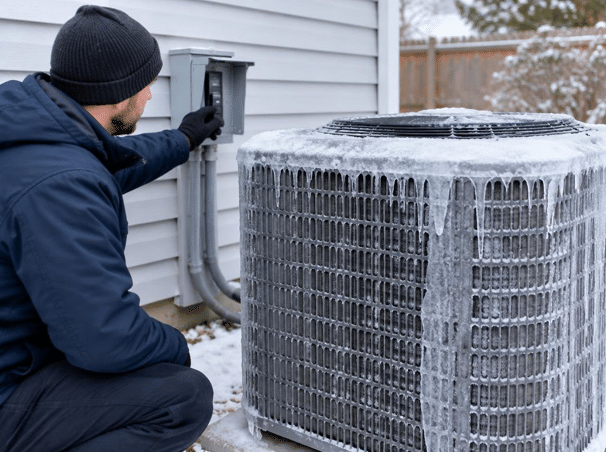
- Frozen Evaporator Coils: If your AC unit is running but blowing warm air, or if you notice ice buildup on the indoor coil or refrigerant lines, you likely have a frozen evaporator coil. This is often caused by restricted airflow (due to a dirty filter or blocked vents) or a low refrigerant charge from a leak. Chipping off the ice is not recommended as it can damage the coil; instead, turn off the cooling and set the fan to “ON” to allow it to thaw.
- Clogged Drain Lines and Water Leaks: The condensation produced by your AC system needs to drain away. If the condensate drain line becomes clogged with algae or debris, water can back up and overflow, leading to leaks in your ceiling, walls, or around the indoor unit. Many systems have a float switch that will shut off the unit if the drain pan fills, preventing water damage but also stopping your cooling.
- Refrigerant Leaks: A low refrigerant charge doesn’t just happen; it’s always due to a leak in the system. Refrigerant leaks reduce cooling capacity and force the system to work harder, increasing energy consumption and potentially leading to compressor failure. Technicians handling refrigerant must be EPA Section 608 certified to legally and safely manage these chemicals. Prompt detection and repair of refrigerant leaks are essential to restore cooling and prevent further damage.
Essential Steps to Take While Waiting for a Technician
When an HVAC emergency strikes, your immediate actions can prevent further damage, ensure safety, and help the technician diagnose the problem more efficiently.
Troubleshooting Before Scheduling Emergency HVAC Repair
Before making an emergency call, a few simple checks can sometimes resolve the issue or provide valuable information to your service provider.
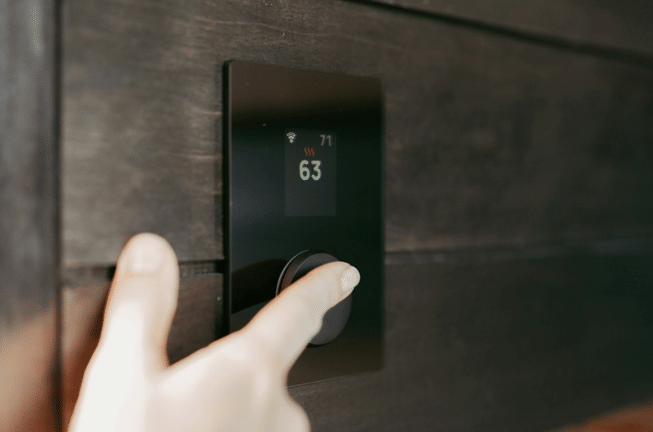
- Check Thermostat Settings: Ensure your thermostat is set to the correct mode (heat/cool) and temperature. Sometimes, a simple oversight can be the culprit. Also, check if the fan setting is on “Auto” or “On.”
- Inspect Thermostat Batteries: If your digital thermostat is blank or unresponsive, it might just need new batteries.
- Verify Power Sources: Check your electrical panel for a tripped circuit breaker related to your HVAC system. Also, locate any emergency shut-off switches (often near the furnace or outdoor unit) and ensure they haven’t been accidentally flipped.
- Inspect Air Filters: A severely clogged air filter can restrict airflow, causing your system to overheat, freeze up, or short cycle. Replace dirty filters regularly. This simple maintenance step is often overlooked but can prevent many issues.
While these steps can help with basic issues, if the problem persists or involves safety concerns like gas smells or electrical sparks, it’s time to call for professional HVAC repair services.
Protecting Your Home and Equipment During System Downtime
While waiting for an emergency HVAC technician to arrive, taking proactive steps can minimize discomfort and prevent additional problems.
- System Shutdown: If you suspect a serious issue (e.g., burning smell, loud banging, gas leak, or a frozen coil), turn off your HVAC system at the thermostat. For gas leaks or electrical issues, also turn off the power at the main breaker. This prevents further damage to the unit and mitigates safety risks.
- Coil Thawing (for Frozen AC): If your AC coil is frozen, turn off the cooling mode but set the fan to “ON.” This will circulate air over the coil, helping it thaw naturally without causing damage. Keep the system off until the technician arrives.
- Temporary Heating/Cooling:During Cold Weather: If your heat is out, use portable space heaters safely. Ensure they are placed away from flammable materials and never left unattended. Close off unused rooms to concentrate heat in living areas. Use draft stoppers under doors and keep windows and doors closed to retain warmth.
- During Hot Weather: If your AC is out, close blinds and curtains, especially on west-facing windows, to block out sunlight. Use fans to create a breeze. Take cool showers or baths. Stay hydrated.
- Isolate Rooms: Close doors to unused rooms to help maintain temperature in occupied areas. This reduces the volume of air that needs to be heated or cooled by temporary measures.
- Protect Vulnerable Occupants: If infants, the elderly, or individuals with health conditions are in the home, ensure they are in the warmest or coolest part of the house, or consider temporary relocation if conditions become unsafe.
Understanding Emergency Service Costs, Dispatch Times, and Contractor Selection
When facing an HVAC emergency, homeowners often have questions about how quickly help will arrive, what it will cost, and how to choose a reliable service provider.
What to Expect During an Emergency HVAC Repair Service Call
Emergency HVAC services are designed for rapid response and efficient problem-solving. Knowing what to expect can ease anxiety during a stressful time.
- 24/7 Dispatch and Rapid Response: Reputable emergency HVAC companies offer 24/7 availability, meaning they have staff ready to answer calls and dispatch technicians day or night, including weekends and holidays. Response times are often prioritized, with many companies aiming for arrival within a few hours for true emergencies, and some even under 60 minutes in densely populated areas like Atlanta, GA. The exact dispatch window can depend on call volume, technician availability, and your location.
- Experienced and Certified Technicians: Emergency technicians are typically highly trained and often NATE-certified, indicating a high level of competency in HVAC systems. They are experienced in diagnosing and repairing a wide range of issues under pressure.
- Fully Stocked Trucks: To ensure efficient, one-trip repairs, emergency service vehicles are usually well-stocked with common parts like capacitors, contactors, fan motors, igniters, and pressure switches. This high parts availability, often 85% or more, significantly reduces the need for multiple visits.
- Diagnostic Testing: Upon arrival, the technician will perform a thorough diagnostic evaluation to identify the root cause of the problem. They use specialized tools and their expertise to accurately pinpoint the issue, rather than just treating symptoms.
- Clear Communication and Upfront Pricing: After diagnosis, a professional technician will explain the problem, outline the necessary repairs, and provide a clear, upfront estimate before any work begins. This ensures transparency and avoids surprise costs.
- Repair and Quality Test: Once the repair is completed, the technician will test the system to ensure it’s functioning correctly and efficiently. They should also provide information on how to prevent future issues.
- Warranty: Reputable companies typically offer a warranty on parts and labor for emergency repairs, providing peace of mind.
These same principles of rapid response, skilled technicians, and transparent service are also critical in the realm of commercial HVAC installation, where system downtime can have significant financial implications for businesses.
Emergency Rates, Diagnostic Fees, and Pricing Transparency
It’s common for emergency HVAC repairs to incur different costs than scheduled services.
- Diagnostic Fee: Most companies charge a diagnostic fee to cover the cost of the technician’s time and expertise in identifying the problem. This fee may sometimes be waived or credited towards the total repair cost if you proceed with the recommended repairs.
- After-Hours and Weekend Surcharges: Due to the urgency and the need for technicians to work outside standard business hours, emergency services often include after-hours rates or weekend surcharges. While these fees are higher, many companies strive for transparency, providing upfront pricing without hidden costs.
- Upfront Pricing: A key best practice for reliable emergency HVAC providers is to offer upfront pricing. This means you will know the full cost of the repair before any work begins, allowing you to make an informed decision.
- Repair vs. Replacement: For older systems or very costly repairs, the technician might present options, including the cost of repair versus the cost of replacing the unit. They should help you weigh the pros and cons, especially if the system is nearing its end-of-life.
- Financing Options: Some companies offer flexible financing options for larger, unexpected emergency repairs, helping homeowners manage the cost.
Frequently Asked Questions
Understanding the common concerns surrounding emergency HVAC repair can help homeowners feel more prepared and make informed decisions.
How quickly does an emergency HVAC technician usually arrive?
The speed of an emergency HVAC technician’s arrival can vary significantly based on several factors, but rapid response is a hallmark of emergency services. Many providers aim for a dispatch window of just a few hours, with some even boasting average dispatch times under 60 minutes in metropolitan areas. However, this can be influenced by:
- Call Volume: During peak seasons (e.g., extreme heat waves or cold snaps), demand for emergency services surges, potentially extending response times.
- Location: Homes in rural or more remote areas might experience slightly longer arrival times compared to those in densely populated urban centers.
- Weather Delays: Severe weather conditions can impede travel, affecting how quickly technicians can reach your home.
- Priority Triage: Reputable companies often prioritize calls based on the severity of the emergency, giving precedence to situations involving safety hazards or vulnerable occupants (infants, elderly).
It’s always best to ask about estimated arrival times when you make the emergency call.
Can regular maintenance prevent emergency breakdowns?
Absolutely. Regular, professional HVAC maintenance is one of the most effective ways to prevent emergency breakdowns. Think of it like taking your car in for oil changes and tune-ups; consistent care keeps it running smoothly and helps identify potential issues before they become major problems.
- Filter Replacement: Regularly changing air filters improves airflow, reduces strain on the system, and prevents issues like frozen coils or overheating.
- Seasonal Tune-Ups: Scheduling professional tune-ups twice a year (typically in spring for AC and fall for heating) allows technicians to clean components, check refrigerant levels, inspect electrical connections, lubricate moving parts, and identify worn-out components.
- Early Diagnosis: During maintenance, technicians can spot minor issues—like a weakening capacitor or a slightly corroded wire—that could otherwise escalate into a complete system failure during peak demand. Addressing these proactively saves money and prevents unexpected emergencies.
- Component Longevity: Well-maintained systems operate more efficiently and tend to last longer, reducing the likelihood of premature component failure.
While maintenance doesn’t guarantee zero emergencies, it significantly lowers the risk and can extend the overall lifespan of your unit.
Should I turn off my HVAC system if I hear loud banging or screeching?
Yes, if you hear loud banging, screeching, grinding, or any other unusual and persistent mechanical noises coming from your HVAC system, you should immediately turn it off.
- Mechanical Failure: These noises are often indicators of a significant mechanical failure, such as a failing motor bearing, a loose fan blade, or issues within the compressor.
- Prevent Further Damage: Continuing to run a system with such noises can exacerbate the problem, turning a potentially minor repair into a much more extensive and costly one. For example, a failing motor could seize up, or a loose component could damage other parts of the unit.
- Electrical Hazard: In some cases, mechanical issues can lead to electrical problems if components overheat or short circuit. Shutting down the system mitigates this risk.
Once the system is off, contact an emergency HVAC technician. Describe the noises you heard, and they will be able to diagnose the specific issue safely.
Conclusion
Navigating an HVAC emergency can be daunting, but with the right knowledge and resources, homeowners can handle these situations effectively. The primary focus should always be on safety, especially when dealing with potential gas leaks, carbon monoxide, or electrical hazards. Prompt action, including knowing when to evacuate and contact emergency services, is paramount.
For less immediate but still critical situations, understanding the common signs of a failing system—from unusual noises and reduced airflow to frozen coils and water leaks—empowers you to make an informed decision about calling for emergency repair. While awaiting a technician, simple troubleshooting steps and measures to protect your home and comfort can make a significant difference.
Choosing a reliable emergency HVAC company means looking for 24/7 availability, rapid response times, experienced and certified technicians, and transparent upfront pricing. Regular preventive maintenance remains the best defense against unexpected breakdowns, ensuring your system’s longevity and reliability. By prioritizing safety and acting decisively, you can minimize disruption and quickly restore comfort to your home, even when facing an HVAC emergency.