A Smarter Way to Plan a Multi-City Rail Trip Through Europe
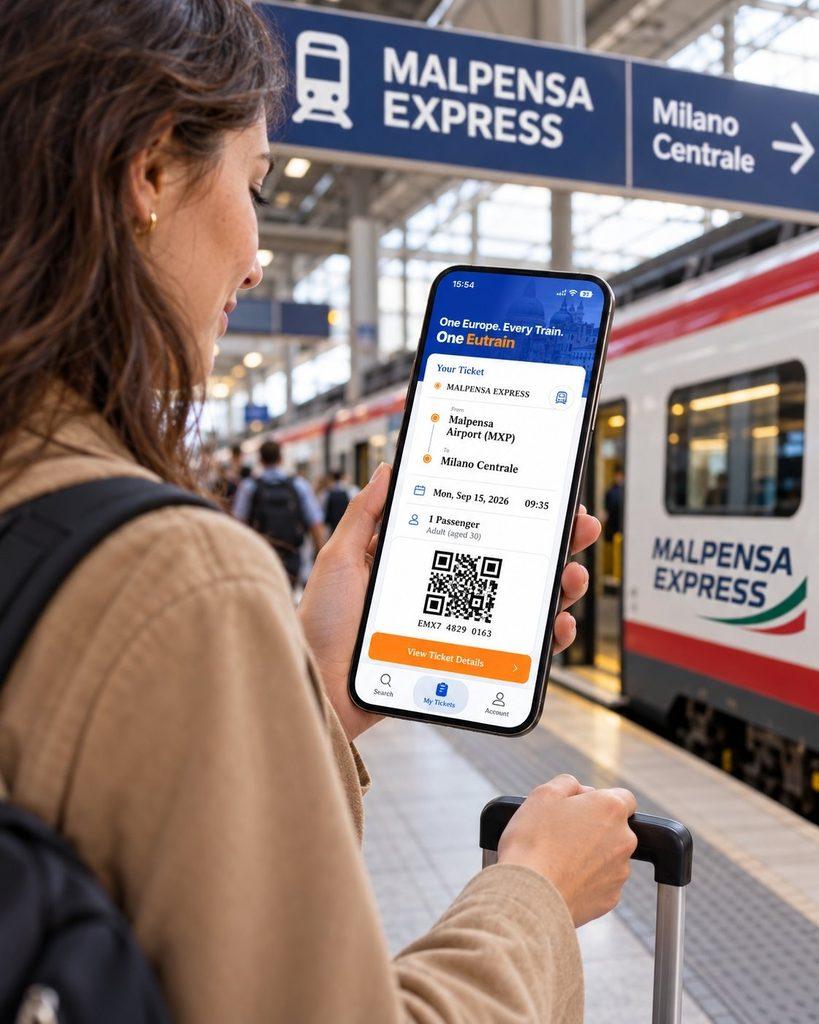
There is something uniquely appealing about seeing Europe by train. Travelers can leave the center of one city in the morning and arrive in another without airport transfers, security lines, or the feeling that an entire day disappeared in transit.
But the romance of rail travel can quickly meet the reality of planning. Different operators, unfamiliar station names, changing ticket conditions, and multi-city itineraries can make a seemingly simple trip surprisingly complicated.
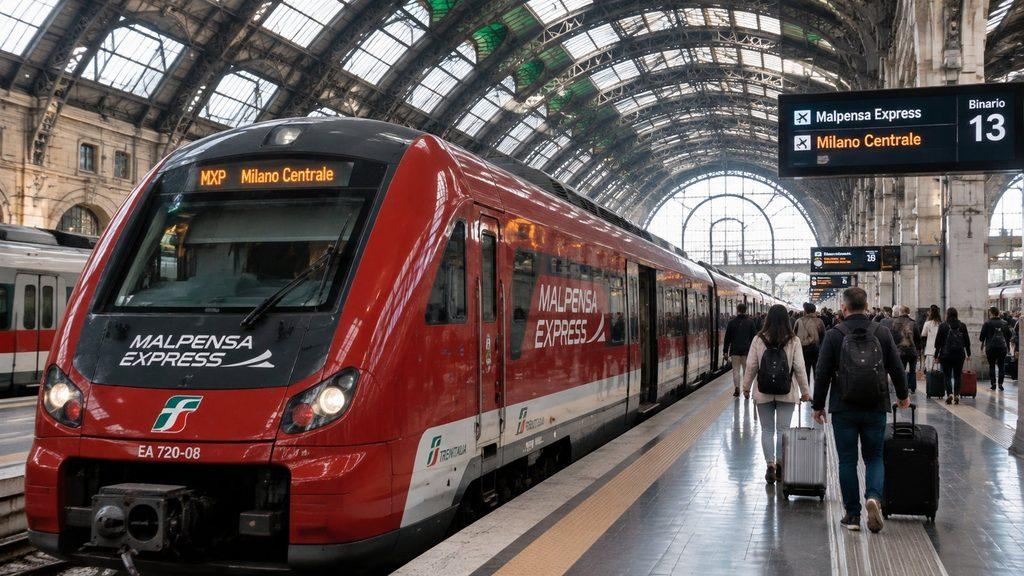
The easiest way to approach train travel in Europe is to plan the journey city by city rather than trying to understand the entire rail network at once. Start with your destinations, identify the most practical routes between them, and then look at the details that matter for each journey.
Build the Itinerary Around Geography
A good rail itinerary should feel natural on a map.
Instead of jumping repeatedly between distant cities, travelers can create a route that gradually moves through a region. An Italian itinerary, for example, might connect Rome, Florence, Bologna, Milan, and Venice before continuing toward Switzerland or Austria.
This approach reduces unnecessary travel time and gives each train journey a clear purpose within the trip.
It also makes planning easier. Once the city order is fixed, travelers can compare the available routes one by one.
Know Your Stations Before You Arrive
European cities often have more than one railway station, and choosing the right one can make a significant difference.
Central stations are usually more convenient for visitors staying near historic districts, while secondary stations may serve particular regional or high-speed routes.
Checking the station name before booking also helps avoid one of the most common travel mistakes: arriving at the right city but the wrong station.
Use High-Speed Rail Where It Makes Sense
Some of Europe’s most useful rail journeys connect major cities in only a few hours.
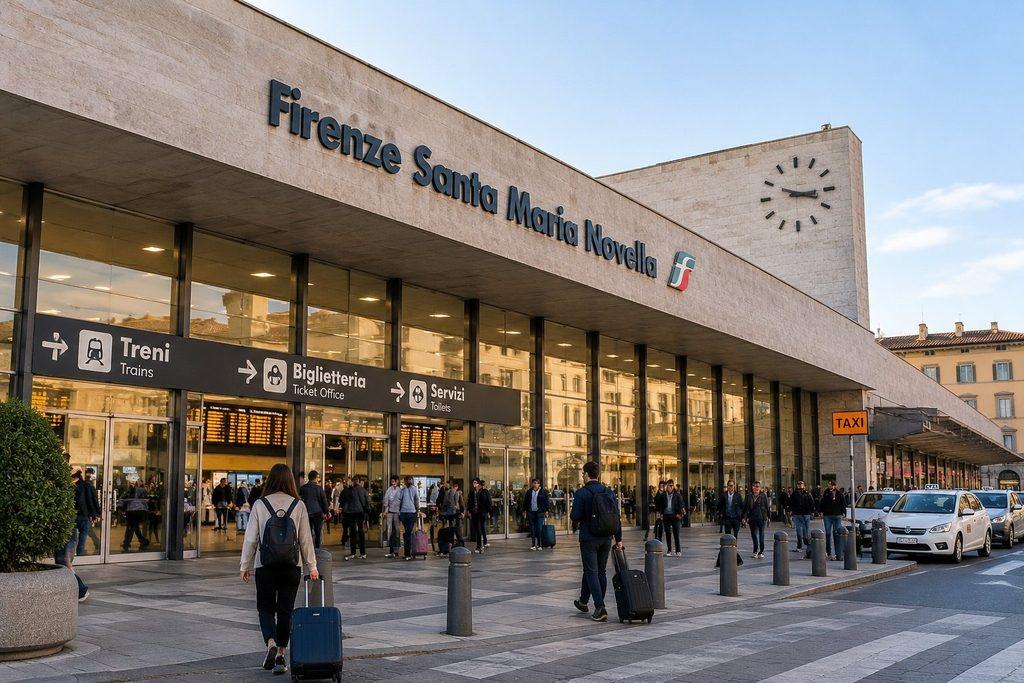
Italy is a good example. The journey from the capital to Tuscany is particularly practical, and travelers researching Rome to Florence by train will find direct high-speed services connecting the centers of both cities.
For travelers building a multi-city Italian itinerary, routes like this can make rail significantly easier than flying.
The same principle applies elsewhere in Europe: use rail where city-center connections are strong and total journey time remains competitive.
Do Not Choose a Train on Price Alone
The cheapest ticket is not always the most useful one.
Departure time, arrival station, journey duration, transfers, and ticket flexibility can all matter more than a small price difference.
A very early train may require an expensive taxi. A cheaper service may involve an inconvenient connection. A restrictive fare may become costly if your plans change.
The better question is not simply, “Which ticket costs less?” but “Which journey fits the trip best?”
Leave Space in the Schedule
A multi-city European trip does not need to become a race between railway stations.
Allowing two or three nights in major destinations gives the itinerary breathing room and reduces the impact of small delays or last-minute changes.
Train travel works best when the journey feels like part of the trip rather than a logistical obstacle between destinations.
With the right route, a little station research, and sensible scheduling, European rail travel can remain exactly what travelers hope it will be: efficient, flexible, and one of the most enjoyable ways to move between cities.