How Does Class Structure Improve Preschool Dance Lessons?
Picture a room full of three- and four-year-olds in tutus and tiny ballet slippers. The music starts, and within seconds some children are twirling, a few are rolling on the floor, and one is crying near the door because she does not know what is happening next. Now picture the same group in a class where every child knows exactly what to do when the music begins: they find their spot, wave hello to their teacher, and start stretching like sleepy cats waking up from a nap. The difference between these two scenes comes down to one thing: structure.
Structured preschool dance classes give young children a predictable, thoughtfully planned framework that helps them feel safe, stay engaged, and learn more effectively. Far from limiting creativity, a clear class structure actually gives little dancers the confidence to explore, express themselves, and grow. In this article, we will look at what class structure means in early childhood dance, why it matters so much at this age, and how parents can recognize a high-quality program.
What Are Structured Preschool Dance Classes?
Structured preschool dance classes follow a consistent sequence of activities from week to week. The songs, themes, and specific steps may change, but the overall flow of the lesson stays the same. Children learn the rhythm of class just as they learn the rhythm of the music.
A structured class typically includes:
- A consistent opening ritual, such as a hello song or circle time
- A warm-up that prepares the body for movement
- Focused skill-building with age-appropriate dance steps
- Traveling movements across the floor
- Creative or imaginative movement time
- A calm cool-down and a goodbye ritual
Structure does not mean rigid drills or strict discipline. Instead, it means intentional planning. The teacher knows what comes next, the children can anticipate it, and every activity serves a clear developmental purpose.
Why Young Children Thrive on Routine
Preschoolers are still figuring out how the world works. Much of their day is decided for them, and new environments can feel overwhelming. Predictable routines help children make sense of their surroundings and give them a sense of control.
When a child walks into a dance studio and already knows that class begins with a hello song, their anxiety drops. They can spend less energy wondering what will happen and more energy participating. Early childhood educators have long recognized that consistent routines support emotional security, smoother transitions, and fewer behavioral challenges.
Routine is especially helpful for:
- Shy or cautious children, who gain confidence once they know what to expect
- High-energy children, who benefit from clear cues about when to move big and when to settle down
- First-time students, who are adjusting to being in a group setting, sometimes without a parent in the room
- Children with sensory sensitivities, who often feel calmer when changes are predictable
In short, routine turns an unfamiliar space into a familiar one. That familiarity is the foundation for learning.
The Building Blocks of a Well-Structured Class
Every studio has its own style, but most successful preschool dance lessons share a similar framework. Here is a closer look at each part and why it matters.
Opening Ritual
A hello song, a group circle, or a special greeting signals that dance time has begun. This ritual helps children shift from the car ride or the waiting room into a focused, playful mindset. It also builds a sense of community as children learn each other’s names.
Warm-Up
Gentle stretches and simple movements wake up the muscles and joints. Teachers often use imagery to keep it fun, such as reaching up to pick apples, wiggling like jellyfish, or tapping toes like raindrops. Warm-ups also introduce body awareness by naming body parts and directions.
Skill-Building
This is where children practice basic dance vocabulary appropriate for their age. Depending on the style, that might include:
- Ballet positions of the feet and arms
- Pliés, relevés, and tendus
- Simple tap sounds like toe taps and heel digs
- Marching, clapping, and rhythm games
Repetition from week to week lets children build mastery gradually, which is exactly how young learners grow.
Across-the-Floor Movement
Galloping, skipping, leaping over “puddles,” and tiptoeing like mice all help children develop coordination and spatial awareness. Taking turns in lines also teaches patience and cooperation.
Creative Movement
Often the highlight of class, this segment invites children to use their imaginations. They might dance with scarves, act out a story, or freeze in silly shapes when the music stops. This is where self-expression shines.
Cool-Down and Goodbye
Slow stretches, deep breaths, or a quiet “sleeping butterflies” moment help bodies and minds settle. A consistent goodbye song or a sticker at the door brings closure and makes leaving easier for everyone.
The Developmental Benefits of Structure
A well-planned class supports far more than dance technique. Structured preschool dance classes touch nearly every area of early childhood development.
Physical Development
Because each class moves through warm-up, skills, and traveling steps in a deliberate order, children get balanced practice in both fine and gross motor skills. Over time, they build:
- Balance and coordination
- Core strength and flexibility
- Body awareness and control
- Rhythm and timing
Cognitive Development
Following a sequence of steps, remembering a short routine, and responding to musical cues all exercise working memory and attention. Many teachers also weave in counting, colors, shapes, and directional words like left, right, forward, and backward, reinforcing early learning concepts through movement.
Social and Emotional Development
Structured classes give children repeated, low-pressure opportunities to practice important social skills. They learn to wait their turn, share space, follow a leader, and celebrate classmates. Just as importantly, they experience the pride of mastering something new, which builds self-esteem and resilience.
How Structure Supports Focus and Positive Behavior
Preschoolers have short attention spans, often just a few minutes per activity. A structured lesson works with this reality rather than against it. By breaking class into short, varied segments, teachers keep energy high and boredom low.
Structure also makes behavior expectations clear. When children know the routine, teachers spend less time giving directions and more time teaching. Helpful structural tools include:
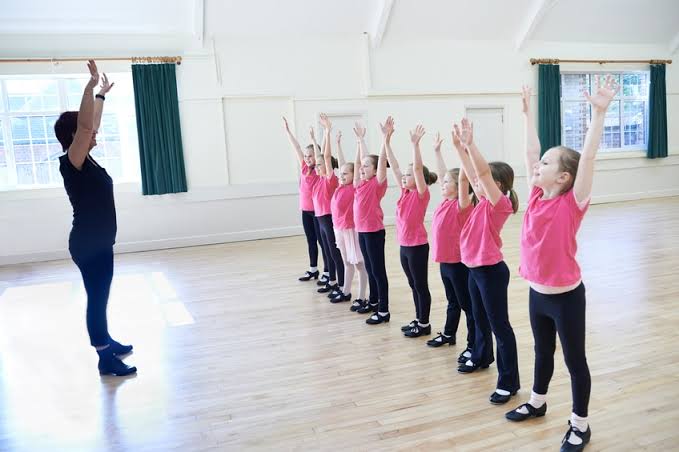
- Assigned spots, such as colored dots or stars on the floor, so every child knows where to stand
- Transition cues, like a special chime or a freeze signal, that tell children when one activity ends and another begins
- Visual schedules, which show pictures of each class segment so children can see what comes next
- Consistent rules, such as “listening ears” and “bubble space,” repeated every week
These tools reduce the chaos that can happen when young children are unsure what is expected. The result is a calmer room where every child gets more meaningful dance time.
Balancing Structure With Creativity and Play
Some parents worry that a structured class will feel too strict for a three-year-old. The best programs strike a careful balance. Structure provides the container, and play fills it.
Think of structure as the frame of a playground. The swings, slides, and climbing walls are fixed in place, yet children invent endless games within them. In the same way, a consistent class format gives children the security to take creative risks, try new movements, and express their personalities.
Skilled preschool dance teachers keep classes playful by:
- Using stories, characters, and seasonal themes to frame each lesson
- Offering choices, such as picking a prop color or an animal to imitate
- Celebrating effort and creativity rather than perfection
- Adjusting the pace when the group needs more movement or more calm
When structure and play work together, children experience dance as joyful, not stressful. That joy is what keeps them coming back.
What Parents Should Look for in a Preschool Dance Program
Not every studio approaches early childhood dance the same way. When you are comparing options, look for signs that a program values thoughtful structure.
Questions to ask or things to observe include:
- Is there a clear lesson plan? Ask the teacher to describe a typical class from start to finish.
- Are classes age-specific? A class designed for ages three to five should look very different from one for older children.
- How long is each class? For preschoolers, 30 to 45 minutes is usually ideal.
- What is the class size? Smaller groups allow more individual attention.
- Does the teacher have early childhood experience? Training in child development is just as valuable as dance training at this age.
- Can you observe a class? Many studios offer viewing windows, trial classes, or observation weeks.
- How are transitions handled? Look for calm, consistent signals rather than shouting or repeated reminders.
A quick trial class can tell you a lot. Watch whether the children seem comfortable, engaged, and happy. Those are strong indicators that the structure is working.
Frequently Asked Questions
What age can my child start structured preschool dance classes?
Most studios welcome children starting around age two and a half or three. Some offer parent-and-me classes for toddlers as young as 18 months.
How long should a preschool dance class be?
Between 30 and 45 minutes is ideal. This length matches young children’s attention spans while still allowing time for each part of the lesson.
Will a structured class stifle my child’s creativity?
No. A predictable format actually helps children feel secure enough to experiment. Quality programs build in creative movement time every week.
What if my child is shy or cries at first?
This is very common. Routine is one of the best tools for easing separation anxiety. Most children settle in within a few weeks once they learn what to expect.
What should my child wear to class?
Follow the studio’s dress code. Typically this means a leotard and tights or comfortable, fitted clothing, plus the proper shoes for the dance style. Hair should be secured away from the face.
Which dance style is best for preschoolers?
Combination classes that blend ballet, tap, and creative movement are popular because they offer variety. The best style is the one your child enjoys.
How can I support my child’s progress at home?
Play music and dance together, ask your child to show you a favorite step, and keep a positive, pressure-free attitude about practice.
Giving Your Child a Strong Start in Dance
Class structure is the quiet ingredient that turns a room full of wiggly preschoolers into a group of confident, happy dancers. By offering a predictable routine, short and varied activities, clear expectations, and plenty of room for imagination, structured preschool dance classes help children grow physically, mentally, and emotionally.
The benefits reach well beyond the studio. The focus, listening skills, cooperation, and self-confidence your child builds in dance class will support them in preschool, kindergarten, and beyond. Most importantly, a well-structured class helps children fall in love with movement and music, a gift that can last a lifetime.
If you are ready to find the right fit, visit a few local studios, ask about their lesson plans, and watch a class in action. When you see little dancers moving with joy and confidence, you will know the structure is doing its job.