Furnace, Heat Pump, or Mini-Split: How Anaheim Homeowners Can Compare Options
Key Takeaways
- The best heating upgrade is based on total ownership cost, comfort, safety, and installation quality, not equipment price alone.
- Furnaces, central heat pumps, and ductless mini-splits can each fit Anaheim homes differently.
- Ductwork, electrical capacity, permits, access, and code-related work can change a project’s final cost.
- Rebate eligibility can depend on the equipment, utility service area, supporting documents, and application timing.
- A detailed written quote helps homeowners compare proposals fairly and avoid unexpected charges.
- System sizing, airflow verification, and proper commissioning are important parts of long-term heating performance.
A heater replacement is a major home decision, even in Anaheim, California, where cooling often receives more attention than winter comfort. A well-planned system can support consistent indoor temperatures during cool evenings, improve airflow, and make seasonal maintenance easier. Homeowners planning broader home-care projects may also benefit from coordinating heating work with residential plumbing and drain services when drainage, gas connections, or mechanical access need attention.
Whether a home is near Anaheim Hills, downtown, the Platinum Triangle, or an older established neighborhood, the right choice depends on the home itself. Existing ducts, insulation, electrical service, room layout, and the condition of the current heater all matter. Planning before a system stops working provides more time to review options rather than making a rushed replacement decision.
It is also helpful to think about how the household uses the home. A family that spends most of its time in a few rooms may value zoning, while a household with one consistently cold bedroom may need ductwork improvements or a more balanced air-distribution plan. Factors such as window exposure, ceiling height, attic conditions, and recent additions can influence comfort even when the existing equipment appears to be operating normally.
Why Heating Upgrades Require More Than a Price Check
The lowest quote is not always the lowest long-term cost. A less expensive installation may omit duct repairs, permits, removal of old equipment, thermostat updates, testing, or labor warranty coverage. Those items can affect performance, comfort, and future expenses.
Correct sizing is equally important. A system that is too large may cycle on and off more often than necessary, while an undersized system may struggle to maintain comfort in every room. A qualified contractor should evaluate the home’s heating needs instead of selecting equipment from square footage alone. Repair can still be the sensible option when the existing system is safe, the problem is limited, and replacement parts remain available.
In addition to equipment capacity, a complete evaluation should consider the distribution system that delivers warm air. Leaky, undersized, disconnected, or poorly insulated ducts can reduce comfort and make a new heater appear less effective than expected. In homes with central systems, airflow measurement and supply-and-return duct inspection can be as important as the furnace or heat pump selected.
Signs That a Heater May Need Replacement
No single symptom automatically means replacement is necessary, but homeowners should schedule an evaluation when problems become frequent or disruptive. Common warning signs include:
- Repeated service calls or repairs that keep returning.
- Higher energy use without a clear change in household habits.
- Short cycling, weak airflow, or rooms that heat unevenly.
- Rattling, grinding, squealing, or other persistent noises.
- Burning odors, gas-related concerns, or a system that does not operate safely.
- Expired warranty coverage, limited replacement parts, or equipment nearing the end of its useful service life.
Homeowners should not ignore safety-related symptoms. If there is a suspected gas leak, a carbon monoxide alarm, smoke, repeated breaker trips, or an unusual odor that does not quickly clear after normal startup, it is appropriate to stop using the equipment and seek qualified assistance. A professional assessment can distinguish a routine maintenance issue from a condition that needs immediate attention.
Heating System Options for Anaheim Homes
Gas and Electric Furnaces
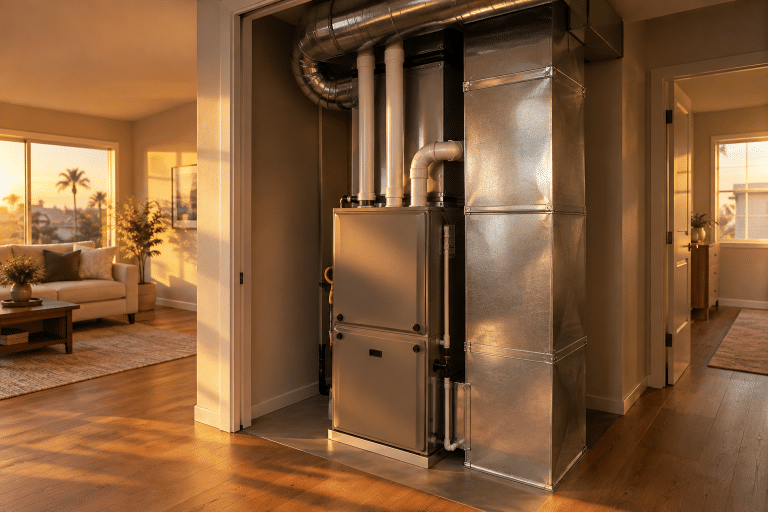
Furnaces are often a practical fit for homes that already have central ductwork. Gas models require appropriate fuel connections and venting, while electric furnaces require adequate electrical capacity. When comparing furnace efficiency, homeowners may see AFUE ratings, which describe how efficiently a furnace converts fuel into usable heat over a heating season. The installation scope can expand if ducts leak, vents need modification, or safety-related updates are required.
For a like-for-like furnace replacement, homeowners should still confirm that the new unit is compatible with the existing air conditioner, indoor coil, thermostat, and duct system. A contractor may recommend adjustments to improve airflow or accommodate the physical dimensions of the replacement equipment. These details should be listed clearly rather than treated as assumptions.
Heat Pumps
A central heat pump can provide both heating and cooling through one system. Rather than creating heat through combustion, it moves heat between indoor and outdoor air. This can be appealing in Anaheim’s generally mild winter conditions, but the best fit still depends on duct condition, electrical panel capacity, comfort expectations, and whether backup heat is appropriate. Homeowners should compare the proposed system’s heating and cooling efficiency ratings, not just the equipment brand.
Because a heat pump serves two seasonal functions, installation quality affects comfort throughout the year. Homeowners can ask how the contractor will confirm refrigerant charge, thermostat settings, electrical connections, condensate drainage, and airflow in both heating and cooling modes. They should also ask whether the proposal includes any needed electrical work rather than assuming the existing circuit is sufficient.
Ductless Mini-Splits
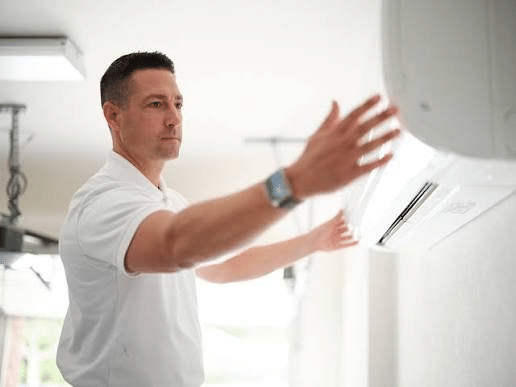
Ductless mini-splits can work well for additions, converted garages, older homes without usable ductwork, and rooms with different comfort needs. Indoor air handlers allow zoned temperature control, but placement should be planned carefully for airflow, appearance, drainage, and future filter cleaning. The outdoor unit also needs a suitable location that allows service access and considers nearby windows, walkways, and neighbors.
A ductless design may use one outdoor unit with one or more indoor units, depending on the comfort goals and layout. Each indoor unit should be sized and located for the space it serves rather than installed solely where it is easiest to mount. Homeowners should also understand where refrigerant lines, electrical connections, and condensate drains will run, particularly when appearance or exterior-wall penetrations are a concern.
How to Compare Installation Quotes in 2026
- Request written estimates from qualified contractors.
- Confirm the exact manufacturer, model number, capacity, and efficiency ratings proposed.
- Check whether labor, equipment removal, disposal, permits, and inspections are included.
- Ask whether duct repairs, electrical work, thermostat replacement, drainage changes, or venting updates could add cost.
- Review both manufacturer warranty terms and any labor warranty offered by the installer.
- Ask how airflow, refrigerant charge, safety controls, and final operation will be verified.
- Compare expected operating costs and maintenance needs, rather than focusing only on a monthly payment.
When proposals differ, compare the scope line by line instead of assuming that two systems with similar names offer the same value. One estimate may include a new thermostat, duct sealing, permit handling, startup testing, and a labor warranty, while another may price those items separately or exclude them. Ask contractors to explain meaningful differences in writing so the decision is based on scope as well as price.
Costs That Homeowners Often Miss
A straightforward equipment swap can become a larger project when the home needs supporting work. Potential costs may include permit fees, old-unit disposal, duct sealing, electrical upgrades, gas or venting changes, condensate drainage, attic or crawl-space access, rooftop equipment access, and post-installation balancing. A complete estimate should identify known work and explain how hidden conditions will be handled if they are discovered after work begins.
Access can affect both labor time and project planning. Equipment located in a tight attic, crawl space, closet, or rooftop area may require additional preparation to protect the home and safely remove the old unit. Before work begins, homeowners can ask about expected access routes, protection for floors and walls, the anticipated shutdown period, and whether someone needs to be present for inspections.
Rebates, Incentives, and Required Records
Incentives can reduce the cost of qualifying upgrades, but program rules can change. Anaheim homeowners should review the city’s current heating and cooling system guidance before selecting equipment, especially when comparing heat pumps, ductless systems, duct repairs, or smart controls. Eligibility may depend on utility service, efficiency requirements, replacement status, and installation at an existing residence.
Save the signed contract, paid invoice, manufacturer model number, installation date, and any requested efficiency information. The city’s rebate guidelines and application process also emphasizes supporting documents, so homeowners should verify requirements before signing a contract or submitting an application.
It is wise to confirm whether approval is required before installation, whether the contractor must provide particular paperwork, and whether applications have filing deadlines. Keep digital copies as well as paper records, including photographs of installed model labels when appropriate. Organized documentation can make a rebate application, warranty claim, future service visit, or home sale easier to manage.
Permits and Code Checks in Anaheim
Permit needs can depend on the equipment being replaced and the scope of associated electrical, gas, duct, venting, or drainage work. Ask the contractor to state in writing whether permits and inspections are included, who will obtain them, and whether any additional documentation is expected. Proper records can be useful during future remodeling, insurance discussions, or a home sale.
Permitting is not merely an administrative step. It can provide a formal opportunity to verify that applicable portions of the project, such as equipment connections and safety-related components, receive inspection. Homeowners should be cautious about proposals that recommend skipping required permits simply to reduce the upfront cost or shorten the timeline.
Questions to Ask Before Installation Day
- Was the system sized for this home and its existing ductwork?
- Will duct condition and airflow be inspected before installation?
- Are permits, inspections, removal, and disposal included?
- What happens if concealed damage or an outdated connection is found?
- Who registers the equipment warranty?
- How will the contractor test system operation after installation?
- What basic maintenance, filter schedule, and thermostat settings are recommended after installation?
Final Thoughts
A successful heater installation in Anaheim, CA combines suitable equipment, realistic pricing, clear rebate planning, proper records, and careful installation. The best option is not necessarily the one with the smallest initial price. It is the system and installation plan that delivers dependable comfort, understandable costs, and fewer surprises over time.
Taking time to compare complete proposals, ask questions before installation, and retain project documents can help homeowners make a more confident decision. Whether the final choice is a furnace, central heat pump, or ductless system, the goal should be a safe, properly matched installation that supports the home’s comfort needs for many seasons.