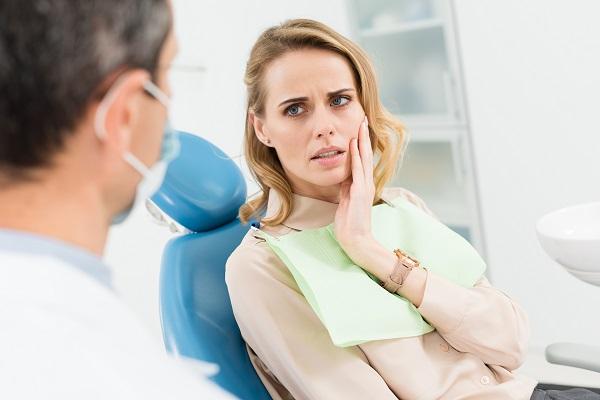
Is It a Dental Emergency? How to Tell When to Call Your Dentist Immediately
When oral pain strikes or an accident occurs, deciding whether to rush to an emergency clinic or wait for regular office hours can be difficult. Understanding the difference between an urgent dental emergency and a standard oral health problem helps you take the right action, saving time, money, and unnecessary stress.
Triage Matrix: Immediate Emergency vs. Schedule an Appointment
Use this quick guide to determine how quickly you need professional dental intervention.
| Dental Issue | Urgency Level | Action Required |
| Knocked-Out Permanent Tooth | Immediate Emergency | Visit a clinic within 30-60 minutes. |
| Uncontrolled Bleeding | Immediate Emergency | Apply firm pressure and seek immediate care. |
| Severe Facial Swelling | Immediate Emergency | Seek immediate care; risk of spreading infection. |
| Chipped Tooth (No Pain) | Non-Urgent | Call during regular office hours. |
| Lost Filling or Crown | Mild Urgency | Schedule an appointment within 24-48 hours. |
| Dull, Intermittent Toothache | Mild Urgency | Schedule an appointment within a few days. |
| Minor Orthodontic Wire Irritation | Non-Urgent | Use orthodontic wax and call during office hours. |
Signs You Need Immediate Dental Care
Certain symptoms signal severe issues that require rapid intervention to prevent permanent structural damage or broad infection.
Uncontrolled Bleeding
If you suffer trauma to your mouth, soft tissues, or gums and bleeding continues after applying firm pressure with clean gauze for twenty minutes, seek immediate emergency care.
Uncontrolled bleeding indicates deep soft tissue lacerations or underlying bone fractures that require sutures or specialized medical intervention.
Severe Facial Swelling or Jaw Swelling
Swelling that extends along your jawline, into your cheek, or down toward your neck is a sign of an active, spreading infection.
A dental abscess can expand into soft facial tissues, creating airway blockages or spreading bacteria throughout your body. Emergency dentists drain infections and prescribe antibiotics to neutralize the danger.
High Fever Combined with Tooth Pain
When a severe toothache is accompanied by a fever, chills, nausea, or general fatigue, the infection inside the tooth pulp has likely entered your bloodstream.
Do not wait for regular business hours when system-wide symptoms appear. Immediate treatment prevents life-threatening complications.
Dental Situations That Can Wait a Day or Two
Not every painful or uncomfortable tooth problem requires late-night emergency care. Some issues can be managed safely at home for a short period.
Minor Chipped or Cracked Enamel
If a small piece of enamel breaks off your tooth without exposing raw nerves or causing severe pain, the situation is non-urgent.
Cover any sharp edges with dental wax to protect your tongue, avoid chewing on that side of your mouth, and call your dental provider during normal business hours.
Lost Fillings or Loose Crowns
A crown popping off or a filling coming loose can cause temperature sensitivity, but it rarely poses an immediate health risk.
Protect the tooth using temporary dental cement from a pharmacy, maintain good oral hygiene, and schedule a re-cementation appointment within a day or two.
Routine Orthodontic Issues
Loose brackets, mild aligner discomfort, or poking archwires are rarely medical emergencies.
Cover sharp wire ends with orthodontic wax to prevent tissue irritation. For patients using cosmetic treatments like Invisalign in Odessa MO, contacting your orthodontic provider during normal business hours provides quick guidance on stepping back to a previous tray or trimming a rubbing edge safely.
Preparing an In-Home Dental Emergency Kit
Having basic supplies on hand helps you manage dental mishaps calmly until you reach a clinic.
- Sterile gauze pads to control bleeding.
- A small, leak-proof container for holding lost tooth fragments.
- Over-the-counter pain relievers (avoid placing tablets directly on gums).
- Temporary dental cement or orthodontic wax.
- Cold compresses or gel ice packs to manage facial swelling.