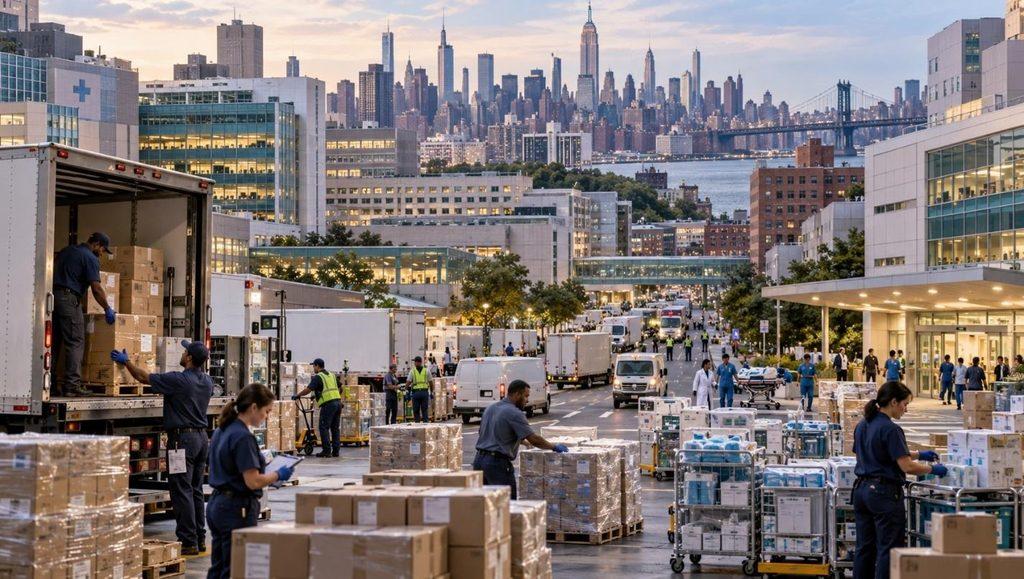
New York City Has More Hospitals Than Most Countries. Keeping Them Supplied Is a Full-Time Logistics Challenge
With over 310 hospitals operating across the five boroughs, New York City contains the largest concentration of healthcare facilities of any city in the United States. Add the thousands of outpatient clinics, urgent care centers, home health agencies, dental practices, and independent physician offices scattered across Manhattan, Brooklyn, Queens, the Bronx, and Staten Island, and the scale of daily medical supply demand becomes genuinely difficult to overstate.
As of 2026, there are over 310 hospitals in New York City alone, representing 44 percent of all 705 licensed hospitals in New York State, making the city home to the densest concentration of healthcare facilities of any metropolitan area in the country. That density creates a procurement environment unlike anything in most other markets. Facilities are closer together, competition for the same supply categories is higher, and the consequences of a missed delivery or an out-of-stock item ripple faster through a system where alternatives are sometimes blocks away but often fully stretched themselves.
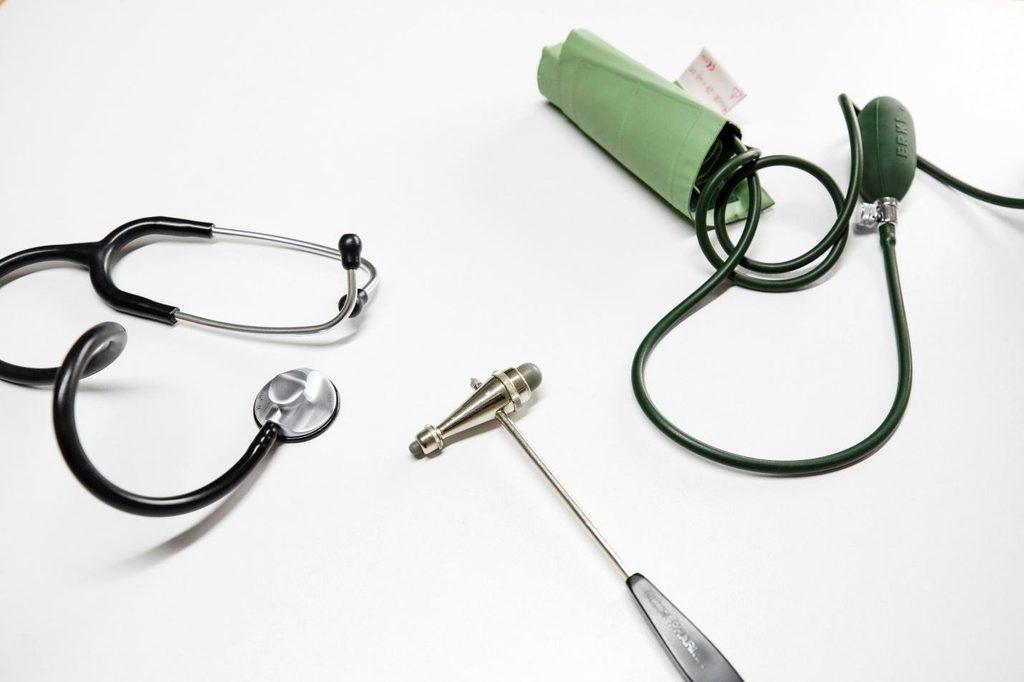
Healthcare Supply as a New York Business Story
The scale of this healthcare network also makes medical supply distribution a significant part of New York City’s wider business ecosystem. New York Business Today covers the companies, industries, logistics networks, and economic activity shaping the city, and healthcare procurement fits directly into that picture. Every hospital, clinic, and medical practice depends on a steady flow of products, making supply availability and distribution an important business issue as well as a healthcare one.
What the City’s Facilities Are Actually Ordering
The categories in daily use across New York City’s healthcare settings span from the most basic consumables through to complex monitoring and surgical equipment.
At the protective and procedural layer, nitrile gloves and PPE supplies cycle through every facility at a predictable and significant rate. Exam table paper and underpads are the kind of items that disappear faster than expected in high-volume outpatient settings, where patient throughput is relentless and restocking is rarely front of mind until the supply room is already short. Surgical gauze serves both the procedural and wound care contexts, appearing in operating suites and on clinical floors alike.
Wound care supplies carry particular relevance in a city with a large aging and chronically ill population. Orthopedic supplies support the post-surgical and rehabilitation programs that follow the acute care episode, and the volume of both is high in a city with the surgical capacity New York has. For monitoring and respiratory care, patient monitoring equipment and oxygen therapy supplies have become central to how facilities manage both inpatient populations and the growing number of patients on home-based care protocols. Infection control supplies sit across all of these settings as a constant requirement that does not ease regardless of census fluctuations.

At the surgical and diagnostic level, surgical instruments and laboratory supplies require sourcing relationships that prioritize quality and consistency over cost alone, since the margin for error in both categories is directly tied to patient safety.
Supply Cost Reference for NYC Facilities
Pricing in New York City generally runs at or above national averages, reflecting higher labor, delivery, and operational costs across the supply chain. Below is a general reference:
| Supply Category | Estimated NYC Cost Range | Notes |
|---|---|---|
| Nitrile Gloves (per box of 100) | $4 – $14 | Slightly higher than national average in NYC |
| Exam Table Paper (per roll) | $9 – $28 | Width and sheet weight affect price |
| Surgical Gauze (per pack) | $2 – $16 | Sterility specification and pack size vary |
| Underpads (per case) | $22 – $65 | Absorbency level drives cost |
| Wound Care Supplies (per unit) | $1 – $75 | Advanced dressings significantly higher |
| Orthopedic Supplies (per unit) | $20 – $300+ | Brace complexity and material vary |
| Oxygen Therapy Supplies (per unit) | $600 – $2,500+ | Portable units typically at higher end |
| Medical Exam Tables (per unit) | $300 – $1,500+ | Manual vs. electric varies widely |
| Surgical Instruments (per set) | $50 – $500+ | Material grade and type determine cost |
Sources: General wholesale medical supply pricing compiled from distributor catalogs and NYC-area industry data (2025-2026)
Why Distributor Selection Matters Differently in This Market
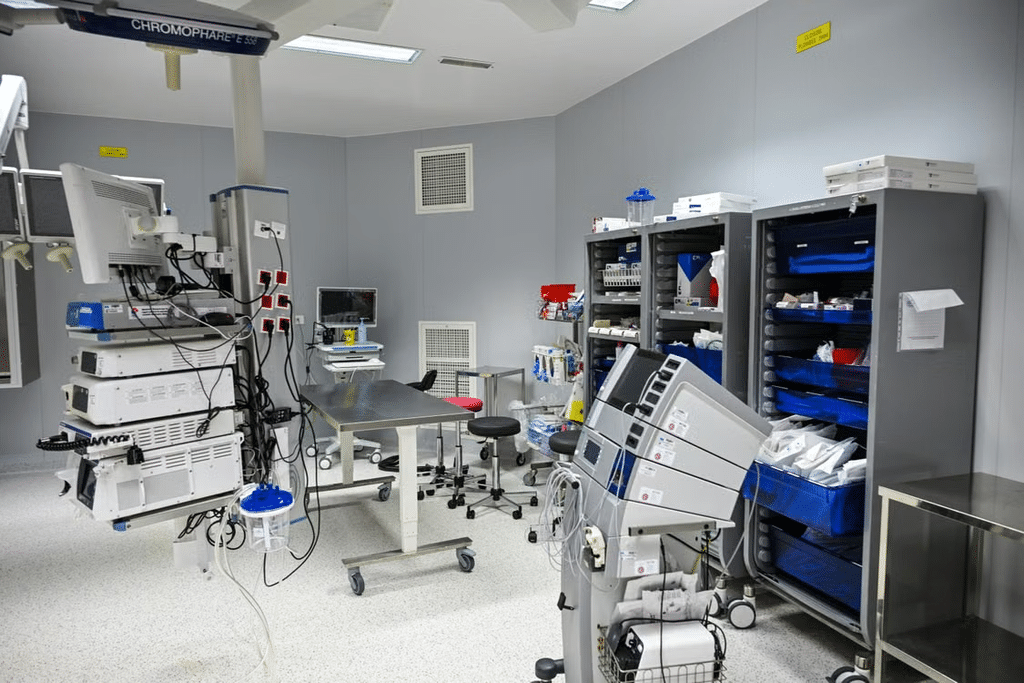
In most cities, a next-day delivery miss is an inconvenience. In New York City, where clinical schedules are packed and patient volumes leave little slack, it can mean a cancelled procedure, a delayed treatment, or a staff member spending hours sourcing a substitute. This makes the reliability and responsiveness of a medical equipment supplier more operationally significant here than almost anywhere else. HSS Medical Supply, a NYC medical equipment supplier, provides both durable medical equipment and everyday medical supplies to healthcare facilities across the region. With a knowledgeable team focused on supporting healthcare providers, they help practices find reliable products while simplifying ordering and ongoing supply management.

The Digital Side of Medical Supply Procurement
In New York City, medical supply procurement increasingly starts online, with clinic managers, purchasing teams, and healthcare providers searching for reliable suppliers that can respond quickly. That makes local search visibility an important part of the supply chain itself. Businesses such as SEO Guru NYC help New York companies strengthen their online presence so they can be found more easily by customers searching for specific products and services. For medical suppliers, stronger visibility can help shorten the path between an urgent supply need and a dependable local source.
The Procurement Reality for a City at This Scale
Managing medical supply procurement across 310-plus hospitals and thousands of additional facilities requires a supply chain that moves at the pace of the city itself. Facilities that build their sourcing relationships around speed, reliability, and genuine product breadth tend to absorb disruptions better than those prioritizing unit cost alone.
In a market as active and demanding as New York City, the difference between a good supplier and the right one shows up on the floor every single week.