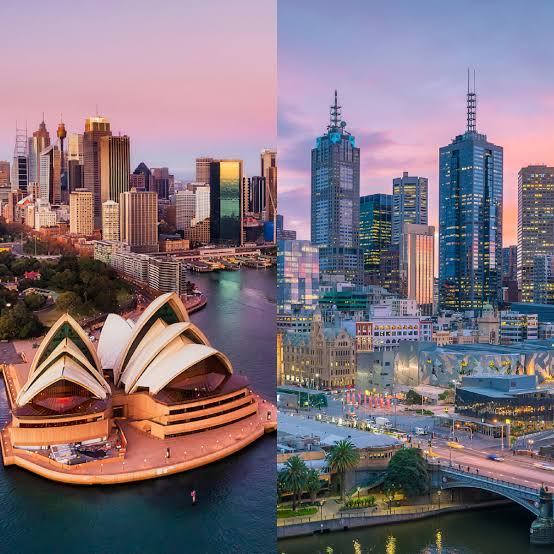
Sydney or Melbourne: Australia’s Big City Rivalry Explained
Sydney and Melbourne have been compared for generations, with each city claiming to be Australia’s cultural and urban capital. Sydney has the harbour, famous beaches and an unmistakable sense of spectacle, while Melbourne is celebrated for its laneways, food scene, galleries and creative energy. For visitors choosing between them, the decision is less about finding a winner and more about deciding which version of Australian city life sounds most appealing. Both deserve attention, but the experience can be remarkably different depending on where you spend the greater part of your trip.
Sydney Makes a Dramatic First Impression
Few cities have a setting quite like Sydney. The Harbour Bridge and Sydney Opera House dominate the waterfront, but the appeal extends well beyond the postcard views. Ferries cross the harbour throughout the day, leafy neighbourhoods stretch towards the water and beaches are woven into everyday city life.
Circular Quay is an obvious starting point, particularly for a first visit. From there, it is easy to walk towards The Rocks, where historic buildings and cobbled lanes provide a glimpse of Sydney’s early colonial history. Continue towards Barangaroo for modern waterfront architecture, restaurants and public spaces, or take a ferry across the harbour for a different perspective of the skyline.
Beaches Are Part of Sydney’s Identity
Sydney’s relationship with the ocean gives it a major advantage for travellers who want a city break combined with time outdoors. Bondi Beach is the best-known stretch of sand, but it is only one option. The coastal walk towards Coogee passes several smaller beaches, rocky viewpoints and swimming spots, making it one of the most enjoyable ways to experience the eastern suburbs.
Manly offers another perspective. Reached by ferry from Circular Quay, it combines a relaxed beach atmosphere with cafés, shops and access to walking trails. Spending a day moving between the harbour and the Pacific side of the peninsula demonstrates why Sydney’s geography plays such a significant role in its personality.
Melbourne Changes the Rhythm
Melbourne feels different almost as soon as you begin exploring its centre. The architecture ranges from Victorian-era buildings to contemporary towers, while narrow laneways cut between larger streets. Rather than concentrating its attractions around one spectacular landmark, the city rewards curiosity and wandering.
The central business district is particularly enjoyable on foot. Hosier Lane and neighbouring streets are known for street art, while arcades and small passages reveal cafés, boutiques and independent businesses. Further afield, Fitzroy has a creative, alternative character, and Carlton brings Italian influences, restaurants and a strong café culture. Each area adds another layer to the city.
Travelling Between the Two Cities
Sydney and Melbourne are far enough apart that transportation deserves consideration when planning a combined itinerary. For travellers who enjoy watching the landscape change, Sydney to Melbourne by train is an appealing alternative to flying. The journey is considerably longer than the equivalent flight, but it allows passengers to settle in and see more of southeastern Australia’s countryside along the way.
Flying remains the fastest option for those working with a tight schedule, while driving can make sense for visitors who want to explore destinations between the two cities. The best choice depends on whether the journey itself is part of the holiday or simply a connection between two urban bases.
Melbourne’s Food Scene Takes Centre Stage
Food is one area where Melbourne has developed an especially strong reputation. The city is filled with restaurants representing cuisines from across the world, alongside independent coffee shops, bakeries and casual dining spots. Italian, Greek, Vietnamese and Middle Eastern influences are particularly visible in different neighbourhoods, reflecting Melbourne’s long history of migration.
Queen Victoria Market is a useful place to begin exploring the city’s produce and street food culture. Away from the market, cafés are everywhere, and coffee is treated with a level of seriousness that visitors quickly notice. A slow morning spent sampling pastries and coffee before heading to a gallery or neighbourhood shop can be as memorable as visiting a major attraction.
Sydney for Big Attractions and Outdoor Adventures
Visitors who prefer iconic sights and outdoor activities may lean towards Sydney. Beyond the Opera House and Harbour Bridge, there are opportunities for kayaking, coastal hiking, harbour cruises and visits to national parks. The city’s proximity to natural landscapes makes it possible to combine urban sightseeing with a surprisingly varied selection of day trips.
The Blue Mountains are among the most popular excursions, with dramatic cliffs, eucalyptus forests and walking trails within reach of the city. Wildlife experiences are another possibility, although travellers should research operators carefully and favour experiences that prioritise animal welfare.
Melbourne for Arts, Sport and Neighbourhood Life
Melbourne’s strengths become particularly clear for travellers interested in culture. The National Gallery of Victoria has an extensive collection, while smaller galleries and exhibition spaces contribute to a lively arts scene. Theatre, live music and independent cinemas add further options after dark.
Sport is another major part of local culture. Australian rules football has a particularly strong following, while major tennis and motorsport events bring international attention to the city. Even outside major competitions, the enthusiasm surrounding sport can be an enjoyable part of visiting Melbourne.
Which City Works Better for a Short Break?
With only two or three days available, Sydney’s concentrated collection of internationally recognised sights makes it an easy choice for a first visit to Australia. The harbour, Opera House, Bridge and beaches can create a memorable itinerary without requiring long journeys across the city.
Melbourne can be equally rewarding over a short stay, but its attractions tend to reveal themselves through neighbourhood exploration rather than a handful of monumental landmarks. Travellers who enjoy cafés, galleries, shopping and discovering independent businesses may prefer its more relaxed approach to sightseeing.
When Should You Visit?
Australia’s seasons are opposite to those in the northern hemisphere, so timing matters. Sydney’s beaches are particularly appealing during the warmer months, although summer can also bring crowds and higher accommodation prices. Spring and autumn offer comfortable conditions for walking and sightseeing.
Melbourne’s weather is famously changeable, sometimes shifting from sunshine to rain within a single day. That should not discourage visitors, but packing layers and a light waterproof jacket is sensible. The city’s cafés, galleries and covered arcades also make it easier to enjoy the destination when the weather refuses to cooperate.
The Best Choice Depends on Your Travel Style
Choosing between Sydney and Melbourne ultimately comes down to what you want your Australian holiday to feel like. Sydney is visually spectacular, outdoorsy and strongly connected to its harbour and beaches. Melbourne is more understated at first, but its food, arts, laneways and neighbourhoods reward travellers who enjoy spending time exploring without a fixed checklist.
For a longer Australian journey, there is little reason to choose only one. Combining both cities provides a useful introduction to the country’s urban diversity, and the contrast makes each destination more distinctive. Sydney delivers the dramatic opening, while Melbourne can provide a more intimate and culturally focused finale, or the arrangement can be reversed.
Conclusion
Sydney and Melbourne represent two compelling interpretations of Australian city life. Sydney stands out for its harbour, beaches, outdoor activities and internationally recognised landmarks, while Melbourne draws visitors into its laneways, cafés, galleries, restaurants and neighbourhood culture. Neither city needs to defeat the other. Instead, their differences are exactly what make visiting both so worthwhile. If your schedule permits, give each enough time to develop its own rhythm, and let the journey between them become part of the wider Australian experience.