A Practical Guide to Modern Optometrist Equipment
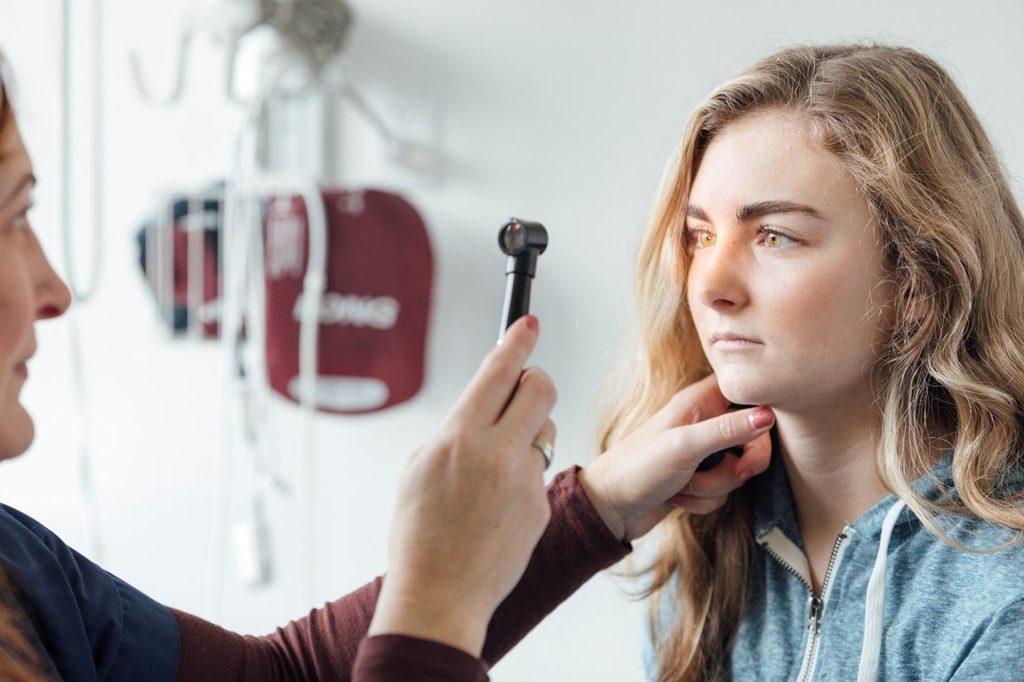
Eye examinations may appear simple at first glance from the perspective of patients, but the process actually involves a lot of instruments. Each device helps practitioners evaluate the current state of their vision and reveal how clearly the patient sees. Others determine the lens prescription needed for sharper vision.
Fortunately, many modern devices are making assessments faster and more comfortable. Digital systems as explained in this guide are now able to collect accurate readings within seconds, and many optometrists are now spending more time interpreting results instead of testing. Although traditional instruments are still valuable, newer machines have given professionals a more comprehensive view of a patient’s eye condition during appointments.
A lot of tools can support early detection, and they can measure visual acuity and identify if there’s pressure in the eyes. Although screening doesn’t necessarily replace a complete diagnosis, it can identify warning signs that help patients receive appropriate care.
Why Different Instruments Are Necessary
The eyes have numerous parts working together to influence vision. The cornea and lens work together to focus incoming light. The retina converts light into signals that travel through the optic nerve so the brain can interpret what an individual is seeing. A single test can’t assess all of these functions, so many practitioners may rely on multiple devices to have a complete understanding of a patient’s overall vision health.
The tools these professionals choose for an appointment may depend on many factors, including a person’s medical history. Adults who want new glasses may comfortably compare the lenses and choose an option that can make their sight clearer. Meanwhile, a young child may require an objective test with versatile equipment so they can adapt to the process more easily.
What are the Tools that are Used to Measure Eyesight?
One of the most recognizable tools in an eye examination room is the Snellen chart, and it displays letters that gradually become smaller toward the bottom. A patient will cover their other eye and read the smaller characters that they can identify from a standardized distance. This overall process may provide a standardized measurement of one’s distance vision.
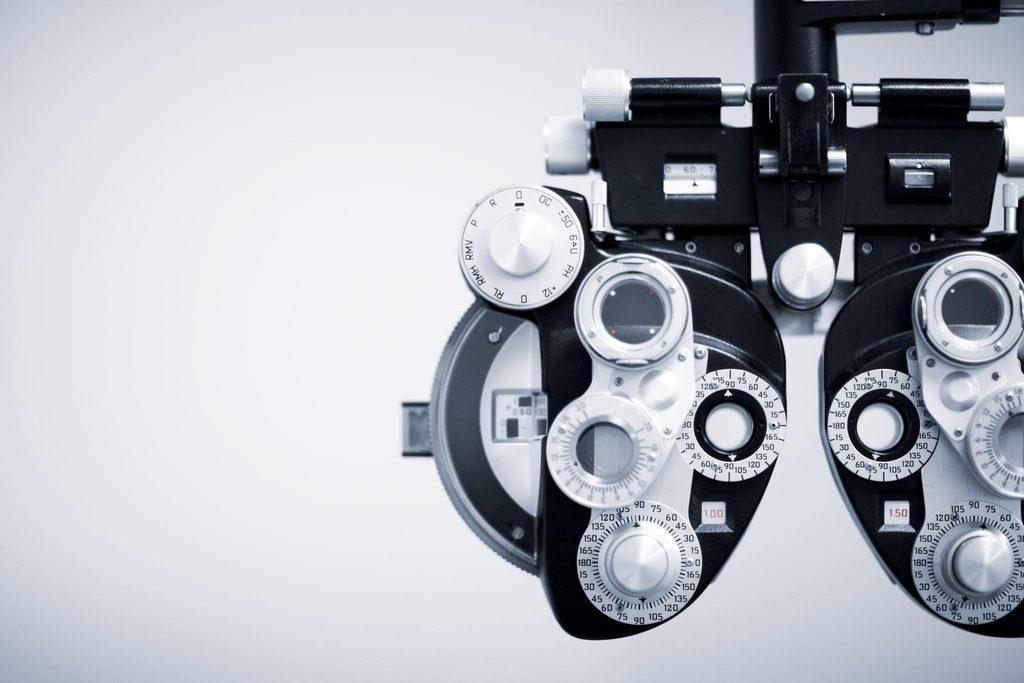
A phoropter is one of the basic tools that optometrists use to measure a patient’s refractive error. The optometrist switches the lenses and asks the individual which view appears sharper to them, and the answer can help them refine the prescription for conditions like astigmatism. It’s important to have clear communication in this step because the process relies on personal responses.
Autorefractors are devices (https://my.clevelandclinic.org/health/articles/2020-vision) used to estimate refractive error where a patient looks into the machine while a specific picture moves in and out of focus. The device will take the readings; the findings provide a starting point for determining a prescription
Vision screeners are high-performance computerized tools that can quickly identify potential vision problems. Doctors are given access to the testing equipment, and they can screen for a broad range of vision problems, even in children as young as six months.
How to Check Pressure in the Eyes?
Intraocular pressure is measured by a tonometer, and an unusually high-pressure reading may indicate glaucoma. Elevated pressure can increase the risk of optic nerve damage associated with glaucoma. Some of these devices gently touch the cornea after numbing drops are applied for more accurate results.
The optometrist may also consider the patient’s family history and other findings before they evaluate their risk of glaucoma. A measurement that’s out of their typical range doesn’t automatically confirm the presence of the disease, so they use other tools to make sure.
Tools that Capture Detailed Retinal Images
Images are created by a retinal camera, and they show the interior surface of the eye. They can be stored and used during later appointments, and if there’s a small change in one’s blood vessels, the practitioner may determine whether the patient’s eye health has remained stable.
Different imaging methods are used to easily observe various retinal features. Photography is not an alternative to professional interpretation, but it adds valuable documentation. Showing the image to a patient can help make explanations clearer because the practitioner can point directly to the area that’s being discussed.
Comfort and Efficiency During Testing
The appearance of unfamiliar machinery can make some patients nervous, especially if this is their first appointment to check their eye health. Fortunately, today, most vision tests are painless, and practitioners can visit Depisteo to know more about modern tools and explain what each instrument does at the start to get more reliable responses.
Excellent equipment can also help with a smoother workflow, so many patients are served each day. Adjustable settings and dependable software can shorten preparation time, and the examinations can move efficiently. There can be a lot of time saved while the patients can get accurate results.