Expert Maintenance for High-End Refrigeration Systems
Critical Components and System Architecture
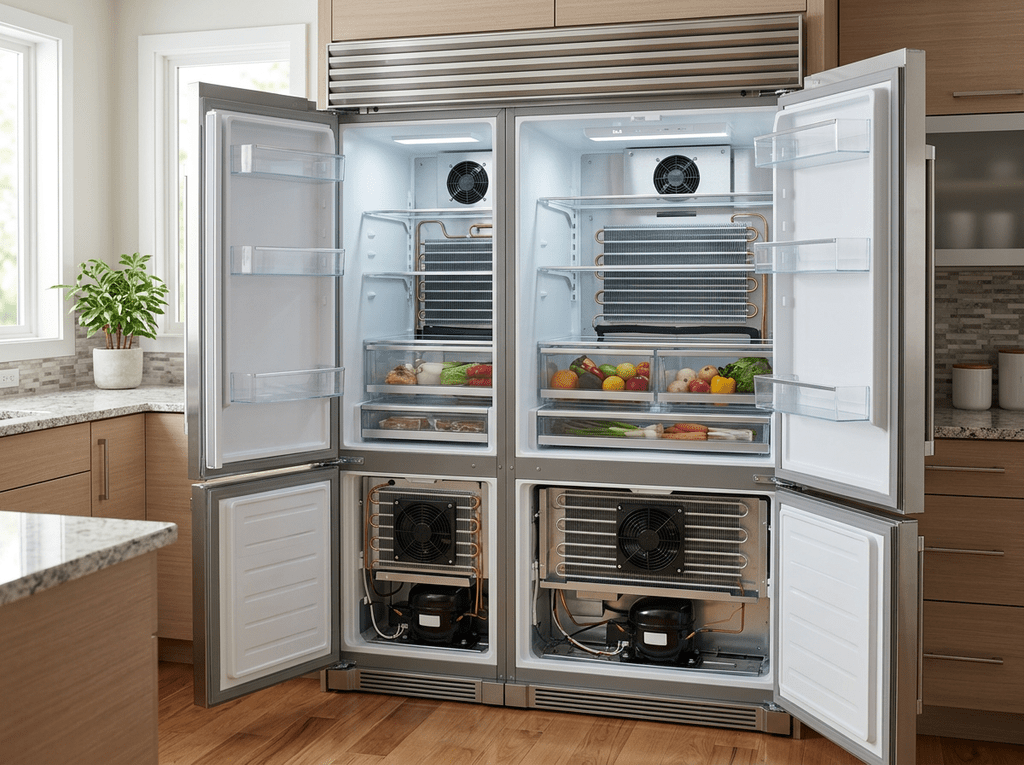
High-end refrigeration systems, particularly those from manufacturers like Sub-Zero, are engineered with precision and incorporate advanced technologies to deliver superior performance and food preservation. Understanding their critical components is essential for appreciating their complexity and the specialized care they require. Unlike conventional refrigerators, these units often feature dual compressors, which are central to their ability to maintain precise temperature and humidity levels independently in both the refrigerator and freezer compartments. This separation prevents air and odor transfer, significantly extending the freshness of stored items.
The evaporator coils, crucial for heat exchange, work in conjunction with the compressors. In a dual-compressor system, each compartment has its own set of coils, ensuring optimal cooling without compromise. The condenser fan plays a vital role in dissipating heat from the refrigerant as it cycles through the condenser coils, a process critical for the system’s efficiency. A malfunctioning fan can lead to overheating and reduced cooling capacity.
Microprocessor controls are the brain of these sophisticated appliances. They constantly monitor and adjust temperature, humidity, and operational cycles, often down to a single degree. This level of control is what allows for the precise climate management that high-end users expect. Beyond temperature, many premium units also integrate advanced air purification systems, often using UV light or activated carbon filters, to eliminate odors and airborne contaminants, further enhancing food preservation. Vacuum seals around doors are meticulously designed to prevent air infiltration, maintaining internal temperatures and reducing energy consumption. These seemingly small details contribute significantly to the overall efficiency and longevity of the appliance.
Signs Requiring Professional Sub-Zero Refrigeration Repair
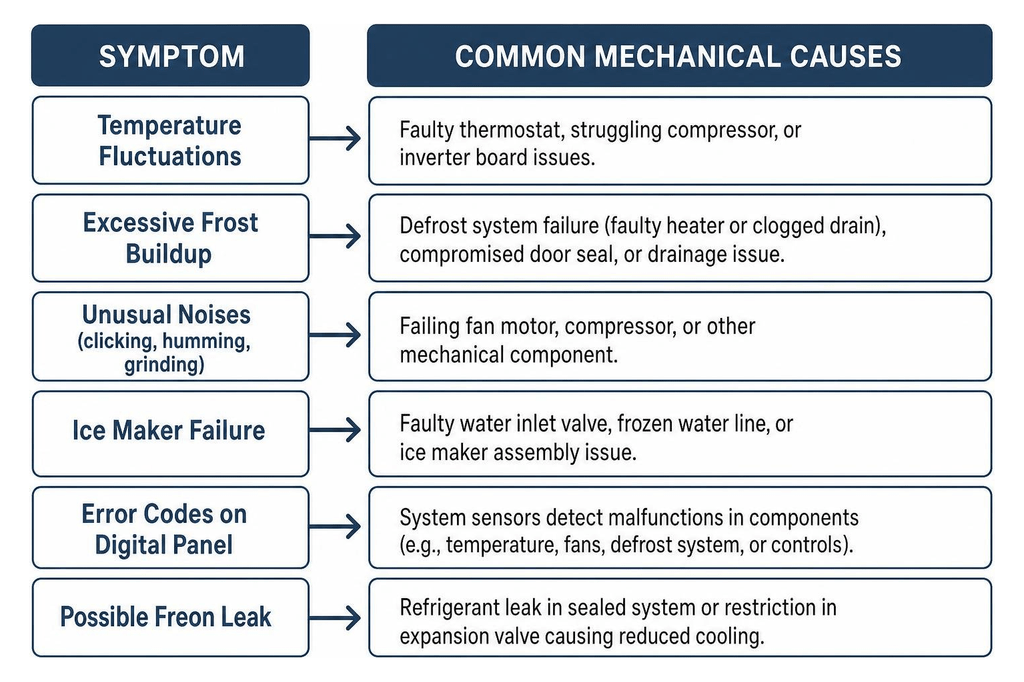
Even with superior engineering, high-end refrigerators and freezers can develop issues. Recognizing the early signs of trouble is paramount to preventing minor glitches from escalating into costly repairs. One of the most common indicators that your appliance needs professional attention is temperature fluctuations. If you notice your food spoiling faster than usual, or if the freezer contents are softer than they should be, it suggests the internal temperature is not stable. This could stem from various issues, from a faulty thermostat to a struggling compressor.
Excessive frost buildup within a “frost-free” freezer compartment is another clear warning sign. While a thin layer might be normal, thick, persistent ice indicates a problem with the defrost system, a compromised door seal, or even a drainage issue. Similarly, unusual noises, such as persistent clicking, loud humming, or grinding sounds, should not be ignored. While some operational sounds are normal, any new or amplified noise often points to a failing fan motor, compressor, or other mechanical component.
Ice maker failure is a frequent complaint. If your ice maker stops producing ice, or produces misshapen or small cubes, it could be due to a faulty water inlet valve, a frozen water line, or a problem with the ice maker assembly itself. Modern high-end units often display error codes on their digital panels. These codes are invaluable diagnostic tools, signaling specific malfunctions within the system. Consulting your appliance’s manual or a professional technician can help interpret these codes. Finally, a less obvious but serious sign is a freon leak. While often undetectable without specialized tools, a noticeable decrease in cooling performance coupled with a continuous motor run could suggest a refrigerant issue, which requires immediate professional intervention due to environmental and health concerns.
Thermostat and Sealed System Failures
Delving deeper into common failure points, the thermostat is a critical component responsible for regulating temperature. A faulty thermostat can lead to the temperature fluctuations mentioned earlier, causing the compressor to run too frequently or not enough. Inverter boards, which control the speed of the compressor, are complex electronic components. Their failure can result in erratic cooling or complete cessation of operation.
The start relay is another small but vital part. It provides the initial surge of power needed to kick-start the compressor. If it fails, the compressor won’t start, leading to a complete loss of cooling. Similarly, issues within the defrost system, such as a clogged defrost drain or a faulty defrost heater, can lead to ice buildup and inefficient operation.
The sealed system of a refrigerator or freezer, which includes the compressor, evaporator, condenser, and expansion valve, is where the refrigerant circulates. Problems here, such as a freon leak or a restriction in the expansion valve, can severely impact cooling performance. A freon leak reduces the amount of refrigerant available to absorb heat, while a restricted expansion valve can impede the flow of refrigerant, disrupting the cooling cycle. These issues often manifest as insufficient cooling and require specialized tools and expertise to diagnose and repair.
Common Diagnostics in Sub-Zero Refrigeration Repair
When your high-end refrigeration unit exhibits signs of trouble, a thorough diagnostic process is the first step toward resolution. Most professional appliance repair services charge a diagnostic fee, typically ranging from $85 to $120 for an on-site visit. However, some services might waive this fee if you proceed with the recommended repair. For those seeking a quicker, more budget-friendly initial assessment, virtual appliance diagnosis has emerged as a modern solution, with services starting around $40 for a video chat consultation with a certified technician. This can be particularly useful for identifying simple issues or determining if an on-site visit is truly necessary.
High-end units are equipped with sophisticated system sensors and often feature digital telemetry that can provide technicians with valuable data regarding performance, temperature readings, and error codes. This advanced diagnostic capability helps pinpoint issues with greater accuracy. Technicians will also meticulously check for common problems such as airflow restriction, which can be caused by overloaded compartments or blocked vents, impacting cooling efficiency.
Understanding the interplay between symptoms and potential mechanical causes is key to effective diagnosis. Here’s a simplified overview:
For a comprehensive assessment and precise repair of these intricate systems, engaging with professionals who specialize in high-end appliances is crucial. Their expertise ensures that the right tools and genuine parts are used, preserving the integrity and performance of your investment. For those in need of expert repair and maintenance, seeking out specialized services can make all the difference in restoring your appliance to optimal condition.
Evaluating Repair vs. Replacement for Premium Units
One of the most critical decisions facing owners of a malfunctioning high-end refrigerator or freezer is whether to repair it or invest in a new unit. This “repair vs. replace” dilemma hinges on several factors, primarily the appliance’s age, the cost of repair, and its overall condition.
Generally, if your high-end unit is less than 10 years old and the estimated repair cost is less than 50% of the price of a new, comparable appliance, repair is usually the more economical and environmentally responsible choice. Premium units are built with higher-quality components and designed for a longer equipment lifespan, often 15 years or more, compared to standard appliances. For example, a complete compressor replacement, while expensive, might still be worthwhile for a 7-year-old Sub-Zero if the repair cost remains below that 50% threshold.
Factors like parts availability also play a significant role. Manufacturers of high-end appliances typically ensure parts remain available for many years, which supports repairability. Additionally, consider the energy efficiency of your current model. While newer models might boast slight improvements, the energy savings from replacing a relatively recent high-end unit might not outweigh the environmental impact and cost of manufacturing a new appliance.
However, if your unit is approaching or exceeding its expected lifespan (e.g., 15+ years), or if multiple major components are failing, replacement might be the more prudent long-term decision. Constant breakdowns can become a drain on your finances and patience. A professional technician can provide an objective assessment, helping you weigh the pros and cons based on the specific issue and your appliance’s history.
Preventive Maintenance Protocols for High-End Units
Proactive care is the cornerstone of extending the life and maintaining the efficiency of any high-end refrigeration system. Implementing a consistent preventive maintenance protocol can help avert major breakdowns and ensure your appliance performs optimally for years to come.
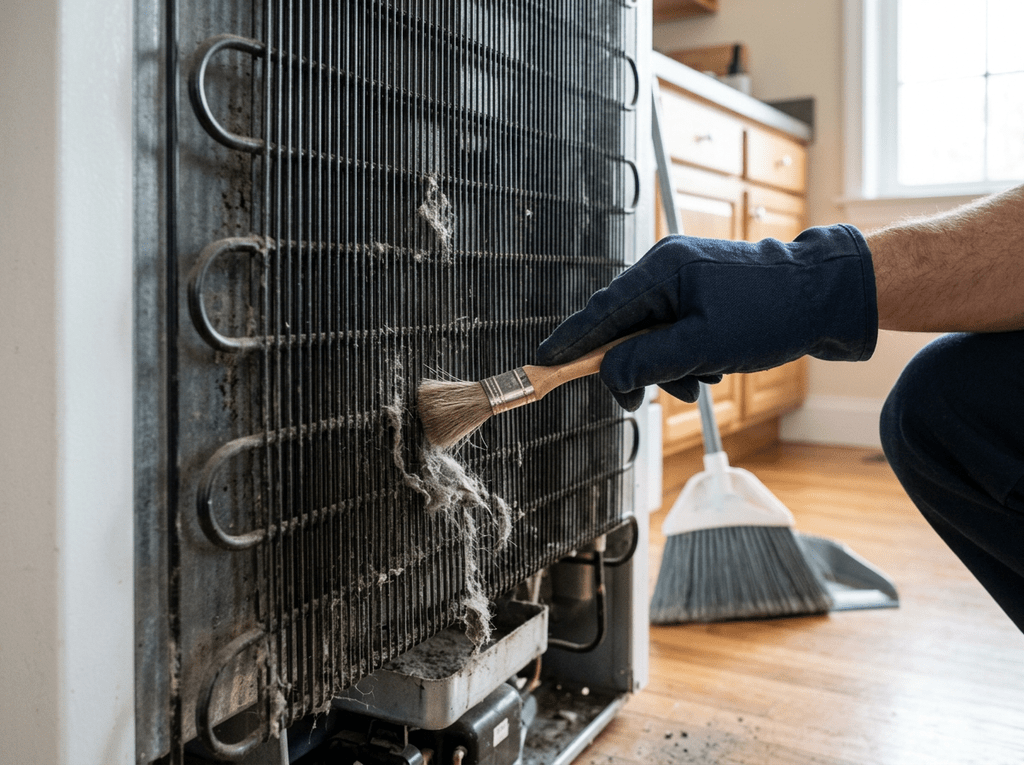
One of the most crucial tasks is regular coil cleaning. The condenser coils, usually located at the bottom or back of the unit, dissipate heat. Over time, they accumulate dust, pet dander, and debris, which acts as an insulating layer, forcing the compressor to work harder. This increased strain not only consumes more energy but also shortens the compressor’s lifespan. We recommend cleaning these coils at least twice a year, or more frequently if you have pets.
Gasket inspection is another simple yet vital check. The rubber seals around your refrigerator and freezer doors are critical for maintaining internal temperatures. Inspect them regularly for cracks, tears, or signs of wear. A simple test involves closing the door on a dollar bill; if you can pull the bill out easily, the gasket might need adjustment or replacement. Faulty gaskets allow warm air to seep in, leading to increased energy consumption and potential frost buildup.
Regular drain line clearing prevents water leaks and ice accumulation. The defrost drain can become clogged with food particles or ice, causing water to back up and spill onto your floor or freeze within the freezer compartment. A simple flush with warm water can often resolve this. For units with water dispensers and ice makers, timely water filtration is essential. Replacing the water filter every six months, or as recommended by the manufacturer, ensures clean water and prevents mineral buildup that can damage the ice maker’s components.
Finally, ensuring adequate ambient airflow around the unit is often overlooked. High-end refrigerators require proper ventilation to dissipate heat efficiently. Avoid pushing the unit flush against a wall or cabinet if the manufacturer specifies a clearance. Blocked vents or insufficient space can lead to overheating and reduced cooling performance. By following these protocols, we can significantly reduce the likelihood of unexpected failures and costly emergency repairs.
Preventing Emergency Sub-Zero Refrigeration Repair with Routine Care
The goal of preventive maintenance is not just to extend lifespan, but also to minimize the chances of an unexpected, inconvenient, and often expensive emergency repair. Just as we schedule regular check-ups for our cars, our high-end refrigeration units benefit immensely from bi-annual checkups by a qualified technician. During these visits, professionals can identify potential issues before they become critical, such as a weakening start relay, a slightly clogged drain line, or an aging fan motor.
Beyond professional inspections, there are several routine checks we can perform ourselves. Regularly inspecting and cleaning door seals (as mentioned above) is a simple task that prevents a host of problems, from energy waste to excessive frost. Periodically checking and recalibrating the internal temperature using an appliance thermometer ensures accurate temperature calibration, which is vital for food safety and appliance efficiency.
We also emphasize the importance of vacuuming coils regularly. This simple task, which takes only a few minutes, is one of the most effective ways to prevent compressor strain and overheating. For units with accessible fan motors, ensuring proper fan motor lubrication (if applicable and recommended by the manufacturer) can prevent premature wear and noisy operation. By integrating these routine care practices into our home maintenance schedule, we empower ourselves to protect our investment and enjoy uninterrupted performance from our high-end refrigeration systems.
Frequently Asked Questions About High-End Refrigeration
Navigating the nuances of high-end refrigeration can lead to many questions. Here, we address some of the most common inquiries we encounter regarding diagnostic procedures, component warranties, and professional servicing.
How often should condenser coils be cleaned on premium refrigerators?
For optimal performance and longevity of premium refrigerators, semi-annual cleaning of the condenser coils is highly recommended. These coils are vital for releasing heat from the refrigeration system. Over time, they inevitably collect dust, dirt, and especially pet dander, which can form an insulating blanket around them. This buildup forces the compressor to work harder and longer to maintain desired temperatures, leading to increased energy consumption and premature wear. This added compressor strain can significantly shorten the unit’s lifespan. Regular cleaning ensures efficient heat dissipation, allowing the compressor to operate under less stress and maintaining the appliance’s energy efficiency. If your household includes pets or experiences high dust levels, a quarterly cleaning might be even more beneficial.
What is the expected lifespan of a dual-compressor system?
The lifespan expectancy of a high-end dual-compressor system significantly surpasses that of conventional single-compressor units, often ranging from 15 to 20 years with proper maintenance. The robust construction and quality components contribute to this extended sealed system durability. Adhering to factory maintenance schedules and using authorized service for any repairs are crucial for achieving this longevity. The dual-compressor design itself, by distributing the workload, can reduce wear and tear on individual components, contributing to overall component longevity. However, factors like usage patterns, environmental conditions, and diligent maintenance practices all play a role in how long your specific unit will last.
What causes ice buildup in frost-free freezer compartments?
Despite being labeled “frost-free,” high-end freezer compartments can still experience ice buildup, indicating an underlying issue. One common cause is a malfunction in the defrost timer or the heater failure within the defrost system. The defrost system is designed to periodically melt any frost that forms on the evaporator coils. If this system fails, ice accumulates, impeding airflow and reducing cooling efficiency. Another frequent culprit is compromised gasket leaks. A faulty or worn door seal allows warm, humid air from the kitchen to enter the freezer, where its moisture condenses and freezes. Lastly, a drain freeze can occur if the defrost water cannot properly exit the freezer, causing it to back up and freeze within the compartment. Addressing these issues promptly is essential to restore proper freezer function and prevent further damage.
Conclusion
Our journey through the intricate world of high-end refrigeration systems underscores a fundamental truth: while these appliances represent the pinnacle of engineering and design, their sustained performance hinges on diligent care and timely intervention. From understanding the sophisticated mechanics of dual compressors to recognizing the subtle signs of impending failure, informed ownership is your best defense against costly disruptions.
We’ve explored the critical components that define these units, detailed the warning signs that necessitate professional repair, and provided insights into the diagnostic process. The decision to repair versus replace, especially for a significant investment, is eased by knowing the factors that influence the longevity and cost-effectiveness of your choice. Crucially, we’ve outlined comprehensive preventive maintenance protocols—from routine coil cleaning and gasket inspections to bi-annual professional check-ups—all designed to ensure your appliance operates at peak efficiency.
Proactive care is not just about fixing problems; it’s about safeguarding your investment protection and ensuring the longevity optimization of an essential kitchen appliance. By embracing a regimen of informed vigilance and professional support, we can ensure our high-end refrigeration systems continue to perform flawlessly, preserving our food and enhancing our daily lives for many years to come.