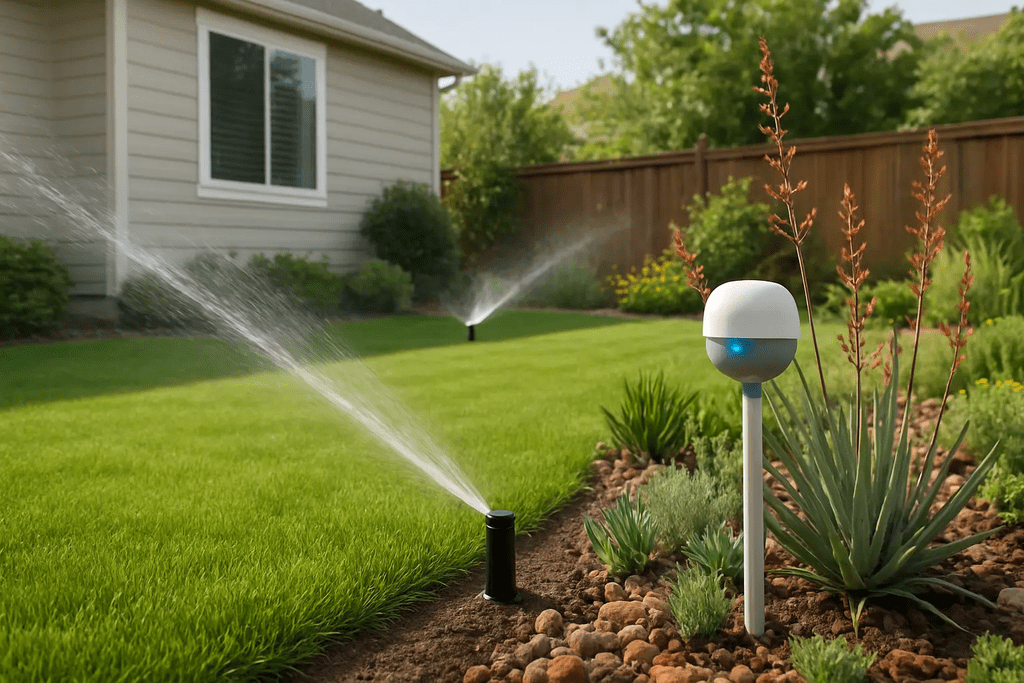
Keeping Outdoor Spaces Healthy With Reliable Irrigation System Maintenance
A properly functioning irrigation system plays an important role in maintaining healthy lawns, gardens, landscapes, and planted areas. Watering may seem like a simple task, but an irrigation system involves multiple components working together to distribute water efficiently and consistently. When one part begins to fail, the effects can quickly become noticeable through dry patches, overwatered areas, damaged plants, rising water bills, or poor landscape appearance. Addressing these problems early can prevent minor issues from developing into expensive system failures. Professional irrigation repair provides an effective way to identify problems, restore proper water distribution, and improve the overall performance of an irrigation system.
Understanding the Importance of a Functional Irrigation System
Irrigation systems are designed to deliver water to specific areas according to the needs of plants and landscape features. Depending on the property, a system may include sprinklers, drip lines, valves, pipes, controllers, pressure regulators, filters, sensors, and other components. Each part has a specific function, and a problem with one component can affect the performance of the entire system. For example, a damaged sprinkler head may cause water to collect in one area while leaving nearby grass completely dry. Similarly, a malfunctioning valve may prevent an entire section from receiving adequate water.
A properly maintained system does more than keep plants hydrated. It can also help conserve water by delivering the appropriate amount to the areas that need it. Efficient watering reduces unnecessary runoff and minimizes the risk of excessive moisture around plants, foundations, walkways, and other structures. Regular inspections and timely maintenance can therefore support both landscape health and responsible water usage. When problems are addressed quickly, homeowners and property managers can maintain more consistent irrigation without allowing small defects to create larger complications.
Common Signs That an Irrigation System Needs Attention
Many irrigation problems become visible before the system experiences a complete failure. Recognizing early warning signs can make it easier to address an issue before it causes significant damage. One of the most obvious indicators is uneven watering. If some sections of a lawn appear dry while others remain unusually wet, the system may have clogged or damaged sprinkler heads, incorrect positioning, pressure problems, or blocked irrigation lines.
Unexpected increases in water consumption can also indicate a problem. A hidden pipe leak, broken sprinkler, faulty valve, or controller malfunction can cause the system to use substantially more water than normal. Since irrigation systems often operate automatically, a leak may continue for several cycles before anyone notices it. Monitoring water usage can therefore provide useful information about the condition of the system.
Other warning signs include puddles forming around sprinkler heads, water spraying in unusual directions, weak sprinkler coverage, unusual noises, leaking valves, or sections that fail to activate. Plants may also provide clues. Wilting vegetation can indicate insufficient watering, while yellowing or consistently saturated soil may suggest excessive irrigation. Paying attention to these changes can help property owners identify problems before they become more complicated.
Why Sprinkler Heads Frequently Develop Problems
Sprinkler heads are among the most exposed components of an irrigation system, which makes them vulnerable to damage. Lawn equipment, foot traffic, animals, soil movement, and landscaping activities can all affect sprinkler heads. Over time, they may become cracked, tilted, clogged, or broken. A damaged head may distribute water unevenly or fail to retract properly after a watering cycle.
Mineral deposits and dirt can also interfere with sprinkler performance. When openings become blocked, the spray pattern may become weak or distorted. In some cases, cleaning the component can restore normal operation, while severely damaged units may need replacement. Correct installation is equally important because sprinkler heads must be positioned and adjusted properly to achieve suitable coverage.
Another common issue is sprinkler overspray. If a head is spraying water onto sidewalks, driveways, walls, or other areas that do not require irrigation, valuable water is being wasted. Adjusting the spray pattern or replacing an unsuitable head can improve efficiency and reduce unnecessary consumption.
Detecting Leaks and Hidden Pipe Damage
Leaks are among the more serious irrigation problems because they can waste large amounts of water while remaining difficult to notice. Some leaks occur above ground and are easy to identify, while others develop underground where they may remain hidden for an extended period. Signs of underground leaks can include unusually wet soil, persistent puddles, erosion, unusually lush vegetation in a specific area, or unexplained increases in water usage.
Underground pipe damage can result from soil movement, root growth, aging materials, accidental digging, freezing conditions in appropriate climates, or physical impact. Locating a hidden leak may require careful testing and inspection because the visible symptoms do not always appear directly above the damaged section.
Professional irrigation repair can help identify the source of leaks and determine whether a section should be repaired or replaced. Addressing leaks promptly is important because continued water loss can increase utility expenses and potentially damage surrounding landscape areas. In addition, prolonged moisture may create conditions that affect plants, soil stability, and nearby structures.
The Role of Irrigation Valves
Valves control the flow of water through different irrigation zones. When a controller activates a particular zone, the corresponding valve opens and allows water to travel through the designated lines. If a valve becomes stuck, damaged, clogged, or electrically defective, an entire section of the irrigation system may stop functioning correctly.
A valve that fails to close properly can allow water to continue flowing even when the irrigation cycle has ended. This may result in excessive watering and significant water waste. Conversely, a valve that does not open correctly can prevent a zone from receiving water at all.
Valve problems may involve mechanical components, wiring, debris, pressure conditions, or normal wear. Because valves are central to zone control, diagnosing the actual cause is important. Replacing a component without identifying the underlying issue may not provide a lasting solution. A careful inspection can help determine whether cleaning, adjustment, component replacement, or a broader system repair is appropriate.
Controller and Scheduling Problems
Modern irrigation systems often depend on electronic controllers to determine when and how long watering occurs. Controllers provide convenience, but they can also become a source of problems. Incorrect programming, power interruptions, damaged wiring, faulty components, or sensor issues can cause irrigation cycles to operate at unsuitable times or durations.
An improperly programmed controller may water too frequently, waste water during unsuitable conditions, or fail to provide enough irrigation. Seasonal changes can also affect watering requirements. Plants generally do not require identical amounts of water throughout the year, so irrigation schedules should be adjusted when environmental conditions change.
Smart controllers and weather-based systems can improve efficiency by adjusting schedules according to environmental information. However, even advanced equipment requires proper configuration and maintenance. A technically sophisticated controller cannot compensate for clogged sprinklers, broken pipes, damaged valves, or inadequate water pressure. The control system and physical irrigation components must work together for reliable performance.
The Importance of Proper Water Pressure
Water pressure has a direct effect on sprinkler performance. If pressure is too low, sprinkler heads may produce weak streams and fail to cover their intended areas. If pressure is too high, the system may experience excessive misting, inefficient spray patterns, leaks, or premature component wear.
Pressure problems can originate from several sources. Changes in the property’s water supply, damaged pipes, faulty pressure regulators, partially closed valves, or excessive demand within the system can all contribute. Diagnosing pressure problems requires looking at the system as a whole rather than simply replacing sprinkler heads.
Maintaining appropriate pressure allows irrigation components to operate according to their intended specifications. It can improve coverage, reduce waste, and support more consistent watering. When pressure issues are corrected, other components may also perform better, making the entire system more efficient.
Drip Irrigation and Its Unique Maintenance Needs
Drip irrigation systems operate differently from conventional sprinkler systems. Instead of spraying water over a large area, drip systems deliver water gradually near plant roots. This approach can be highly efficient, but drip lines and emitters have their own maintenance requirements.
Clogged emitters are a common problem. Dirt, mineral buildup, and other particles can restrict water flow and prevent individual plants from receiving enough moisture. Filters play an important role in protecting drip systems, but they also require periodic cleaning or replacement.
Leaks can occur where tubing connects to fittings or where lines become damaged. Because drip systems often operate at lower flow rates, a small leak may not immediately attract attention. Regularly checking lines and emitters can help identify problems early.
Proper placement is also important. Drip emitters should deliver water where plants can effectively use it. As plants grow or landscape arrangements change, irrigation layouts may need to be adjusted. Maintaining the system according to current landscape requirements can improve both plant health and water efficiency.
Benefits of Addressing Problems Early
Delaying irrigation maintenance can turn relatively simple problems into more expensive repairs. A small sprinkler head issue may seem insignificant, but if it causes uneven watering for months, sections of a lawn or garden may deteriorate. Similarly, a minor underground leak can waste substantial amounts of water over time and create persistent wet areas.
Early intervention can also protect other components. A malfunctioning valve or excessive pressure condition may place additional stress on pipes, fittings, and sprinkler heads. Correcting the initial problem can reduce the likelihood of secondary failures.
Routine maintenance provides an opportunity to inspect the system before problems become emergencies. Rather than waiting for an entire zone to stop working, property owners can identify worn components, damaged lines, clogged heads, and scheduling issues during regular inspections. This proactive approach can make system management more predictable and cost-effective.
How Professional Inspection Can Improve System Performance
A professional inspection typically involves examining the irrigation system as an interconnected network rather than focusing only on visible symptoms. Technicians can operate different zones, observe sprinkler patterns, check valves, examine controllers, evaluate pressure, and look for signs of leaks or damaged components.
This comprehensive approach is useful because irrigation problems can have multiple causes. For example, poor sprinkler coverage could result from a damaged head, low pressure, incorrect nozzle selection, clogged components, or an underlying pipe issue. Simply replacing the visible sprinkler head may not solve the problem if another factor is responsible.
Professional irrigation repair is particularly valuable when the source of a problem is difficult to identify. Experienced technicians can use systematic diagnostic methods to narrow down potential causes and recommend appropriate solutions. This can prevent unnecessary replacements and help ensure that repairs address the actual problem.
Improving Water Efficiency Through Maintenance
Water efficiency should be considered an ongoing goal rather than a one-time achievement. Even a well-designed irrigation system can become less efficient as components age or landscape conditions change. Regular maintenance helps keep the system operating according to its intended design.
Adjusting sprinkler heads so they water only the desired areas can reduce overspray. Replacing damaged components can prevent leaks. Cleaning clogged nozzles can restore proper spray patterns. Updating schedules can prevent unnecessary watering. Checking drip emitters can help ensure plants receive consistent moisture.
Soil conditions should also be considered. Different plants and soil types have different water requirements, and irrigation should be adjusted accordingly. Watering too frequently may encourage shallow root development or create excessively wet conditions, while insufficient irrigation can stress plants. A properly maintained system makes it easier to tailor watering practices to actual landscape needs.
Preparing an Irrigation System for Long-Term Reliability
Long-term reliability depends on more than fixing individual failures. A good maintenance strategy includes regular inspections, appropriate scheduling, component cleaning, leak detection, and timely replacement of worn parts. Keeping records of repairs and system changes can also make future maintenance easier.
Property owners should understand the basic layout of their irrigation system, including the location of valves, controller settings, main water connections, and irrigation zones. This information can be extremely useful when troubleshooting or communicating with a professional.
It is also helpful to avoid unnecessary modifications without considering the entire system. Adding new landscaping, changing plant arrangements, or expanding irrigation zones can affect water demand and pressure. Any significant landscape changes should be evaluated in relation to the existing irrigation design.
Choosing the Right Approach for Irrigation Problems
Not every irrigation problem requires the same solution. Some issues may be resolved through cleaning or adjustment, while others require replacement of individual components. More extensive failures may involve sections of pipe, electrical wiring, valves, or controllers.
The appropriate solution should consider the age of the system, condition of existing components, cost of repair, expected lifespan, water efficiency, and future landscape needs. Repeatedly repairing an aging system may eventually become less practical than upgrading certain components or redesigning sections of the irrigation network.
A professional assessment can help property owners understand these options. Instead of focusing only on the immediate cost, it is useful to consider the long-term performance and operating expenses associated with each solution. A repair that restores efficiency and prevents recurring problems may provide greater value than a temporary fix.
Final Thoughts
A reliable irrigation system supports healthier landscapes, more efficient water use, and more consistent outdoor maintenance. Because irrigation networks contain numerous interconnected components, problems can develop in many different ways. Broken sprinkler heads, clogged emitters, leaking pipes, malfunctioning valves, controller issues, and pressure problems can all reduce performance and increase water waste.
Regular inspections and timely maintenance are among the best ways to protect an irrigation system from unnecessary deterioration. Professional irrigation repair can help identify underlying problems, restore damaged components, correct water distribution issues, and improve the overall reliability of the system. Addressing concerns early can also reduce the possibility of larger failures and unnecessary operating costs.
Ultimately, effective irrigation management is about more than simply delivering water. It involves delivering the right amount of water to the right areas at the right time while maintaining the equipment responsible for that process. With appropriate maintenance, careful monitoring, and professional assistance when necessary, an irrigation system can provide dependable performance for years while supporting a healthy and attractive landscape.