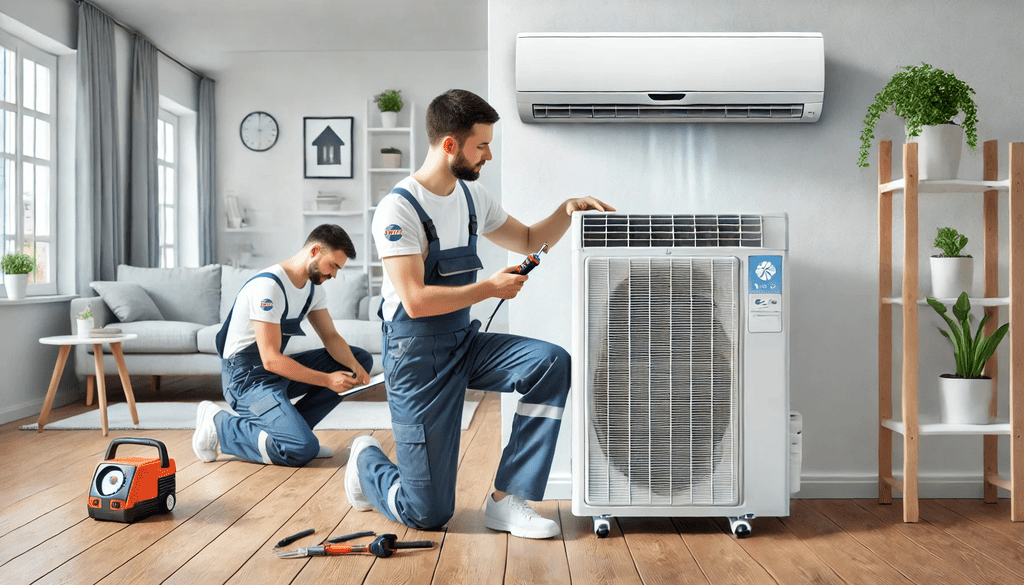
Air Conditioning Repair Is Essential for Reliable Cooling, Lower Energy Waste, and Year-Round Comfort
A comfortable indoor environment depends heavily on a dependable cooling system, particularly during periods of warm weather when temperatures can make everyday activities more difficult. An air conditioner does much more than lower the temperature inside a property. It can help regulate humidity, improve indoor comfort, and create a more pleasant environment for sleeping, working, relaxing, and spending time with family. However, like any mechanical system, an air conditioner can develop problems over time. Reduced cooling performance, unusual noises, unpleasant odors, weak airflow, water leaks, and unexpected increases in energy consumption may all indicate that something is not working correctly. Recognizing these warning signs early can help property owners address problems before they become more expensive or disruptive.
Professional air conditioning repair can restore a cooling system when components begin to malfunction or the system no longer operates as efficiently as it should. However, understanding common air-conditioning problems can also help homeowners make better decisions about maintenance and repairs. Instead of ignoring unusual behavior or repeatedly adjusting the thermostat, homeowners can pay attention to changes in performance and arrange an inspection when necessary. A proactive approach can improve reliability, extend equipment life, and reduce the likelihood of an unexpected breakdown during the hottest part of the year.
Recognizing Signs of a Cooling Problem
Air-conditioning problems do not always begin with a complete system failure. In many cases, a cooling system provides subtle warnings before a major component stops functioning. One of the first signs can be a noticeable change in indoor temperature. If the thermostat is set to a comfortable level but rooms remain warm, the system may be struggling to remove enough heat from the indoor environment.
Uneven temperatures throughout a property can also indicate a problem. One room may feel comfortable while another remains unusually warm. This may be related to airflow restrictions, ductwork issues, insulation, thermostat problems, or an improperly balanced system. While some temperature differences are normal, significant or sudden changes deserve attention.
Unusual sounds should not be ignored either. Air conditioners naturally produce some operational noise, but loud rattling, grinding, buzzing, squealing, or repeated clicking can indicate a mechanical or electrical issue. Similarly, unusual odors coming from vents may point to dirty components, moisture accumulation, electrical problems, or other conditions requiring inspection.
Another warning sign is an unexplained increase in energy consumption. If cooling costs rise substantially without a corresponding change in weather, usage, or household habits, reduced system efficiency may be responsible.
Understand How an Air Conditioner Works
Knowing the basic operating principles of an air conditioner can make it easier to understand common problems. A typical cooling system moves heat from indoor air to the outside environment through a refrigeration cycle. The indoor unit absorbs heat from the air, while the outdoor unit releases that heat.
Refrigerant plays an important role in this process by transferring heat between the indoor and outdoor components. The compressor circulates refrigerant and helps maintain the pressure necessary for the cooling cycle. Coils transfer heat, while fans move air through the system. The thermostat communicates temperature requirements and helps control when the system operates.
Because these components depend on one another, a problem in one part of the system can affect overall performance. For example, restricted airflow can cause cooling efficiency to decline, while a malfunctioning compressor can prevent the system from operating properly. Understanding this interconnected design reinforces why professional diagnosis is often more effective than simply replacing individual parts based on symptoms.
Keep Air Filters Clean
Air filters are among the simplest components to maintain, yet they can have a significant impact on system performance. Filters capture dust, particles, and other airborne contaminants before air moves through the equipment. Over time, they can become clogged.
A heavily restricted filter makes it harder for the system to circulate air. This can reduce comfort, increase operating strain, and potentially contribute to other problems. The appropriate replacement or cleaning frequency depends on filter type, indoor air conditions, household activity, pets, and system usage.
Homeowners should inspect filters regularly rather than waiting until airflow becomes noticeably weak. A clean filter can help the system operate more efficiently while also supporting better indoor air quality. However, filters are only one part of the overall system, and replacing one does not resolve deeper mechanical or electrical problems.
Pay Attention to Airflow Problems
Strong and consistent airflow is essential for effective cooling. When air coming from the vents feels unusually weak, several potential causes may be involved. A dirty filter is one possibility, but blocked vents, ductwork problems, blower issues, or other mechanical restrictions may also contribute.
Closing too many vents can interfere with the intended airflow balance of a system. Furniture, curtains, and other objects can also block supply or return vents, making it harder for conditioned air to circulate properly.
Ductwork deserves particular attention because leaks or poorly connected sections can allow cooled air to escape before it reaches living spaces. Damaged insulation around ducts can also reduce efficiency. If airflow problems continue despite replacing the filter and checking visible vents, professional assessment can help identify less obvious causes.
Address Refrigerant-Related Problems
Refrigerant is essential to the cooling process, so insufficient refrigerant can significantly reduce performance. A system with low refrigerant may struggle to cool indoor air and may run for extended periods without reaching the desired temperature.
Low refrigerant is generally not something that should be treated simply by adding more refrigerant. In many situations, insufficient refrigerant indicates a leak or another underlying issue. The source of the problem should be identified and addressed before the system is restored to the appropriate operating condition.
Because refrigerant handling involves specialized equipment and safety considerations, this type of work should be performed by a qualified professional. Attempting to resolve refrigerant problems without the necessary training can damage the system and create safety concerns.
Investigate Water Leaks and Moisture
Water around an air-conditioning system can indicate a drainage or condensation problem. Cooling systems naturally remove moisture from indoor air, and that moisture must be collected and directed away from the equipment.
If a drain line becomes blocked, water may accumulate and eventually leak into surrounding areas. A damaged drain pan can create similar problems. Persistent moisture can contribute to mold growth, material damage, unpleasant odors, and other indoor environmental concerns.
Water leaks should therefore be investigated rather than ignored. Even a small amount of water can cause problems if it repeatedly reaches flooring, walls, insulation, or other vulnerable materials. Prompt attention can help limit the extent of damage.
Maintain the Outdoor Unit
The outdoor portion of an air-conditioning system plays an important role in releasing heat. Because it is exposed to weather and outdoor debris, it can become dirty or obstructed over time.
Leaves, grass clippings, dirt, and other materials can restrict airflow around the outdoor unit. Maintaining sufficient clearance around the equipment helps it release heat effectively. Vegetation should be managed so that it does not grow too close to the unit.
The exterior components should also be visually inspected for obvious signs of damage. However, homeowners should avoid opening electrical panels or attempting repairs without appropriate training. Electrical components can remain dangerous even when the system appears inactive.
Take Unusual Electrical Symptoms Seriously
Air conditioners rely on electrical components such as capacitors, contactors, wiring, motors, and control boards. Electrical problems can produce symptoms including repeated circuit breaker trips, humming sounds, intermittent operation, failure to start, or unexpected shutdowns.
A circuit breaker that trips repeatedly should not simply be reset again and again. Repeated tripping can indicate an underlying electrical or equipment problem that requires professional attention. Continuing to operate a system with an unresolved electrical issue may increase the risk of equipment damage.
Electrical diagnostics should be performed by qualified professionals. Homeowners can safely observe symptoms and provide information about when the issue occurs, but internal electrical repairs require appropriate knowledge and equipment.
Understand the Importance of Regular Maintenance
Preventive maintenance can help identify developing problems before they lead to major breakdowns. During a professional inspection, technicians may examine filters, coils, electrical connections, refrigerant-related components, airflow, drainage, and other parts of the system.
Maintenance also provides an opportunity to identify wear before a component fails completely. A worn part may not cause an immediate breakdown, but replacing it at an appropriate time can prevent an unexpected failure later.
Professional air conditioning repair is often most effective when combined with regular maintenance. Repair addresses an existing problem, while maintenance focuses on reducing the likelihood of future problems. Together, they can support better reliability and longer equipment life.
Improve Energy Efficiency
Energy efficiency is influenced by both equipment condition and everyday operation. A system that is dirty, restricted, leaking, or mechanically impaired may require more energy to provide the same level of cooling.
Simple practices can help reduce unnecessary energy consumption. Keeping filters clean, maintaining appropriate thermostat settings, and ensuring vents are not blocked can support efficient operation. Good insulation and properly sealed doors and windows can also reduce the amount of heat entering the property.
Thermostat settings should reflect actual comfort needs rather than creating unnecessarily large differences between indoor and outdoor temperatures. Programmable or smart thermostats can help automate temperature adjustments according to household schedules.
However, efficiency improvements should begin with a properly functioning system. If the equipment has a mechanical problem, adjusting the thermostat alone is unlikely to solve the underlying issue.
Know When Repair Is Better Than Replacement
When an air conditioner develops a problem, homeowners may wonder whether to repair the existing equipment or replace it. The answer depends on several factors, including the system’s age, condition, repair history, efficiency, and expected remaining service life.
A relatively new system with a manageable component failure may be a strong candidate for repair. Older equipment with repeated breakdowns or increasingly expensive repairs may make replacement more practical. Efficiency should also be considered because newer systems may offer improved performance and lower operating costs.
A professional evaluation can help homeowners compare the likely cost and benefits of repair versus replacement. The cheapest immediate option is not always the most economical long-term solution, especially if an aging system is likely to require additional repairs.
Avoid Delaying Necessary Repairs
It can be tempting to ignore a minor cooling problem when the system is still operating. However, unusual noises, weak airflow, intermittent cooling, water leaks, or repeated shutdowns may indicate that a component is under stress.
Continuing to operate equipment with a developing problem can sometimes cause additional components to become damaged. A relatively straightforward repair may become more complicated if the original issue is allowed to continue.
Prompt attention can also improve comfort. A system that operates inefficiently may struggle to maintain stable indoor temperatures, creating uncomfortable conditions and increasing energy consumption at the same time.
Professional air conditioning repair can provide an opportunity to diagnose the actual cause rather than repeatedly addressing individual symptoms. Accurate diagnosis is especially important when the same problem continues to return after temporary adjustments.
Prepare for Peak Cooling Periods
The worst time to discover an air-conditioning problem is often when cooling demand is at its highest. Preparing the system before periods of intense use can reduce the risk of an unexpected breakdown.
Homeowners can begin by checking filters, inspecting visible components, confirming that outdoor units are unobstructed, and paying attention to unusual system behavior. Scheduling preventive maintenance before heavy seasonal use can also give technicians an opportunity to identify worn or malfunctioning components.
Preparation is particularly valuable for systems that have already experienced reliability problems. Repeated breakdowns may indicate that the equipment requires a deeper assessment rather than another temporary fix.
Keeping basic information about the system, such as its model, installation date, maintenance history, and previous repairs, can also help professionals diagnose problems more efficiently.
Choose Professional Service Carefully
When professional assistance is needed, homeowners should look for technicians who are properly trained and experienced with the type of equipment installed in the property. Clear communication is important. A reputable technician should be able to explain the problem, describe the recommended solution, and provide understandable information about the expected work.
Homeowners should be cautious of vague explanations or recommendations for unnecessary replacements without a clear diagnosis. Asking questions about the cause of the problem and the proposed repair can help customers make informed decisions.
Documentation can also be useful. Keeping records of repairs and maintenance allows homeowners to track recurring problems and evaluate the system’s overall performance over time.
Make Comfort and Reliability Long-Term Priorities
An air-conditioning repair system represents a significant investment, so taking care of it should be viewed as a long-term responsibility rather than a reaction to emergencies. Proper maintenance, timely repairs, reasonable operating practices, and attention to warning signs can all contribute to dependable performance.
The most effective approach is proactive. Instead of waiting for complete failure, homeowners can respond when they first notice unusual sounds, weak airflow, inconsistent temperatures, moisture, rising energy consumption, or other changes. Early diagnosis may prevent a small issue from developing into a major equipment failure.
A dependable cooling system provides more than temperature control. It contributes to a comfortable indoor environment and allows people to maintain normal routines even when outdoor conditions become uncomfortable. Keeping the system in good condition can also reduce unnecessary energy use and help protect the investment made in the equipment.
Conclusion
Reliable cooling depends on a combination of proper equipment, regular maintenance, responsible operation, and timely attention to developing problems. Homeowners who understand the warning signs of air-conditioning trouble are better positioned to respond before minor issues become major disruptions. Clean filters, unrestricted airflow, appropriate moisture management, clear outdoor units, and professional inspections all play important roles in maintaining system performance.
When a cooling system begins showing signs of trouble, professional air conditioning repair can help identify the underlying cause and restore dependable operation. Repair decisions should be based on the condition and age of the equipment, the nature of the problem, expected future performance, and the overall cost of continuing to operate the system.
Ultimately, the best cooling strategy is one that combines comfort, efficiency, safety, and long-term planning. Regular attention allows homeowners to get more reliable performance from their equipment while reducing the likelihood of inconvenient failures. By treating maintenance and repairs as essential parts of responsible home ownership, it becomes easier to maintain a comfortable indoor environment and protect the value of the cooling system for years to come.