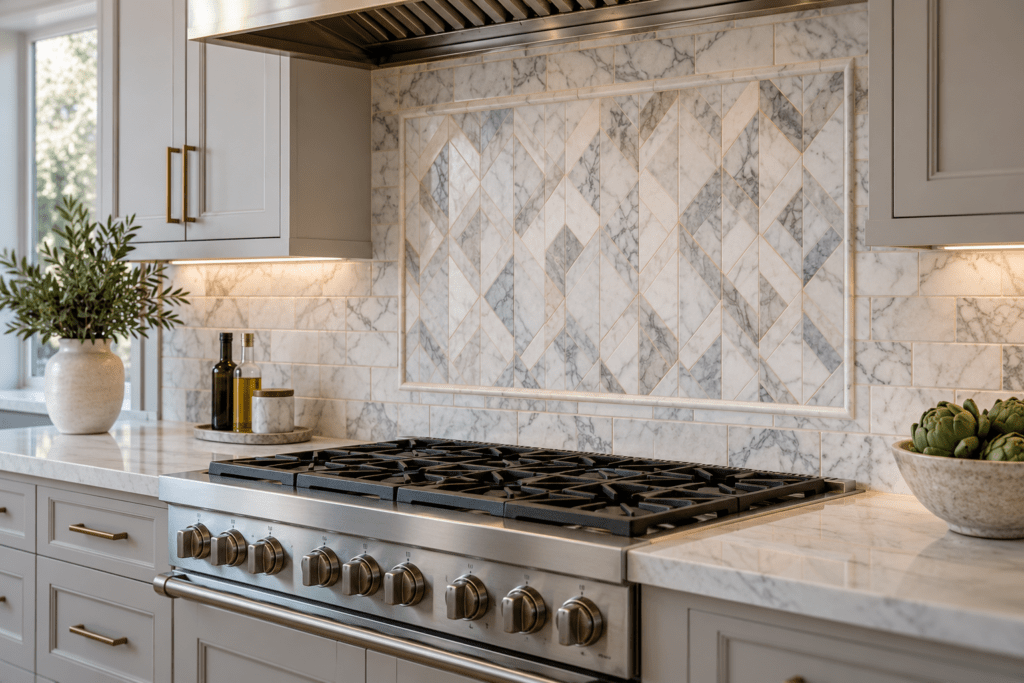
Custom Backsplashes: Transforming Everyday Spaces With Style and Function
A backsplash can be one of the most practical and visually important details in a kitchen, bathroom, laundry room, or other interior space. Although it occupies a relatively small portion of a wall, it can influence the overall appearance of a room while protecting surfaces from moisture, grease, food splashes, stains, and everyday wear. With the growing range of tile materials, colors, patterns, textures, and installation techniques available today, homeowners have more opportunities than ever to create surfaces that reflect their personal style. Custom backsplashes take this concept even further by allowing the design to be tailored to the room, furniture, fixtures, layout, and individual preferences.
A well-designed backsplash is not simply decorative. It serves a functional purpose while helping connect different elements of a room. Cabinets, countertops, flooring, lighting, appliances, plumbing fixtures, and wall colors all contribute to the finished appearance, and the backsplash can act as the visual link between them. Whether the goal is a clean contemporary look, a traditional atmosphere, a bold statement wall, or a subtle finishing detail, careful planning can produce a result that looks intentional and performs well for years.
Understanding the Purpose of a Backsplash
The primary purpose of a backsplash is to protect a wall from the activities that take place nearby. In a kitchen, cooking can expose surrounding surfaces to water, oil, food particles, steam, and cleaning products. In a bathroom, walls near sinks, tubs, and showers may experience frequent moisture. A suitable backsplash creates a durable surface that is easier to clean than painted drywall or other vulnerable wall finishes.
Beyond protection, a backsplash can provide an important decorative element. Because it sits between major surfaces such as countertops and upper cabinets, it occupies a highly visible area. Even a relatively simple design can make a noticeable difference to the character of a room.
A backsplash can also help establish continuity. For example, a carefully selected tile can repeat a color found in the countertop or cabinetry, creating a more cohesive appearance. Alternatively, contrasting materials can create a focal point that draws attention to a particular wall or architectural feature.
Why Custom Designs Are Worth Considering
Standard backsplash designs can provide attractive results, but customized options offer greater flexibility. Every room has different dimensions, architectural details, lighting conditions, and functional requirements. A design created specifically for the space can account for these characteristics instead of forcing the room to conform to a predetermined pattern.
Custom work can also accommodate unusual wall shapes, electrical outlets, windows, shelves, corners, niches, and other obstacles. Rather than treating these features as inconveniences, a thoughtful design can incorporate them into the overall composition.
Another advantage is greater control over materials and patterns. Homeowners can combine different tile sizes, textures, borders, colors, and decorative elements to create a distinctive surface. The result can be subtle and sophisticated or bold and artistic, depending on the desired effect.
Customization is particularly useful when the backsplash is intended to serve as a focal point. A carefully planned pattern behind a range, sink, vanity, or other feature can draw attention to that area without requiring major structural changes.
Choosing the Right Material
Material selection is one of the most important decisions when planning a backsplash. Different materials have different levels of durability, maintenance requirements, cost, and visual appeal. The best choice depends on the location of the backsplash and the type of exposure it will receive.
Ceramic tile is a popular option because it is available in numerous shapes, colors, finishes, and patterns. It is relatively easy to clean and can work well in a wide variety of interior styles. Porcelain tile is another durable option and is available in designs that can imitate natural stone, concrete, wood, and other materials.
Glass tile can create a bright and reflective appearance. It can help make a smaller room feel more open by reflecting light and can be especially effective in contemporary designs. However, installation may require careful handling because cutting and positioning glass products can be more demanding.
Natural stone, including marble, granite, travertine, and slate, provides an organic appearance with variations that make each installation distinctive. Stone surfaces can be beautiful, but some materials may require sealing and more careful maintenance to protect against staining.
Metal backsplashes can provide a modern or industrial appearance. Stainless steel, brass, copper, and other finishes can complement appliances, hardware, and lighting fixtures. Metal surfaces are often easy to wipe clean, although fingerprints and scratches may be more visible depending on the finish.
Selecting Colors That Complement the Room
Color selection should take into account the existing elements in the room rather than being considered independently. Cabinets, countertops, flooring, walls, appliances, fixtures, and natural light all affect how backsplash colors appear.
Neutral shades are popular because they provide flexibility. White, cream, beige, gray, and soft earth tones can complement many styles and allow other features to stand out. A neutral backsplash can also remain visually appealing even if the homeowner changes cabinet hardware, wall paint, or accessories later.
Bold colors can create a stronger statement. Deep blue, green, black, terracotta, or other saturated shades can add personality to a space. However, strong colors should be balanced with surrounding elements so that the room does not feel visually crowded.
Patterns can also introduce color without requiring a large number of different shades. Geometric designs, herringbone arrangements, mosaics, and decorative borders can create visual interest while maintaining a cohesive palette.
Exploring Different Tile Shapes and Patterns
The shape of a tile can influence the perceived character of a backsplash. Traditional rectangular subway tiles provide a timeless appearance, while square tiles can create a more structured and symmetrical effect. Hexagonal, elongated, scalloped, triangular, and irregular shapes offer additional possibilities.
Installation patterns can be just as influential as tile shape. A basic running-bond arrangement can feel simple and traditional, while stacked layouts can provide a more contemporary appearance. Herringbone patterns create movement and visual energy, while basket-weave and geometric arrangements can provide a decorative effect.
Pattern selection should consider the size and proportions of the wall. A complicated design may become visually overwhelming when used across a large area, while a small accent section can accommodate more intricate patterns.
The direction of the pattern can also affect how a room feels. Horizontal arrangements may emphasize width, while vertical layouts can draw the eye upward. These subtle design choices can help create a more balanced interior.
Considering Grout Color and Style
Grout is sometimes treated as a minor detail, but it can significantly affect the finished appearance of a backsplash. The relationship between tile and grout determines how strongly the individual pieces are visually separated.
Matching grout closely to the tile color creates a more seamless appearance and allows the overall material to become the primary focus. Contrasting grout emphasizes the shape and pattern of each tile, making the installation more graphic.
Grout selection should also consider maintenance. Very light grout can show stains more readily in areas exposed to cooking or frequent moisture, while darker grout may conceal everyday discoloration more effectively. The appropriate choice depends on the room, material, cleaning habits, and desired appearance.
Proper grout installation is equally important. Uneven joints, poor coverage, or improperly mixed grout can affect both appearance and durability. Professional installation can help ensure consistent lines and appropriate finishing.
Designing Around Cabinets and Countertops
A backsplash should work with the cabinetry and countertop rather than competing with them. If the countertop has a dramatic pattern or strong natural variation, a simpler backsplash may provide balance. Conversely, plain countertops and cabinets can provide an opportunity for a more decorative backsplash.
The transition between countertop and backsplash should also be carefully considered. Some designs use a simple horizontal line, while others incorporate trim pieces or extend the backsplash to a larger portion of the wall.
Cabinet color can also influence material selection. Light cabinetry may pair well with darker or more colorful tile, while dark cabinetry can be balanced with lighter surfaces. Wood cabinets can work with natural stone, ceramic, glass, or other materials depending on the desired style.
Hardware and fixtures provide additional design clues. Matching or complementary finishes can help tie the room together, especially when metallic backsplash materials or decorative accents are involved.
Planning the Layout Before Installation
Proper layout planning can make the difference between an ordinary installation and a polished result. Tile should be positioned carefully so that cuts are balanced and awkwardly small pieces are avoided where possible.
The installer should identify important visual areas before beginning. In a kitchen, the wall behind a range or sink may deserve special attention because it is highly visible. In a bathroom, the area surrounding a vanity or shower can serve as a natural focal point.
Electrical outlets, switches, windows, corners, cabinets, and appliances should all be considered during planning. Tile cuts around these features should be precise and visually consistent.
A dry layout can be useful before permanent installation. Arranging tiles temporarily allows the homeowner and installer to evaluate the pattern, colors, spacing, and overall composition before adhesive is applied.
Preparing the Surface
Surface preparation is essential for a successful backsplash installation. The wall should be clean, stable, reasonably flat, and suitable for the selected installation system. Grease, dust, loose paint, and other contaminants can interfere with adhesion.
Any damaged areas should be repaired before installation. In moisture-prone locations, appropriate waterproofing measures may also be necessary depending on the application and materials.
The condition of the wall can influence the final appearance because irregularities may become visible through thin tiles or tightly aligned patterns. Taking time to prepare the surface properly can reduce installation problems and improve the finished result.
The Installation Process
The exact installation method varies according to the material, but most tile backsplash projects involve several basic stages. After surface preparation and layout planning, the installer applies the appropriate adhesive or setting material and positions the tiles according to the chosen pattern.
Spacing must remain consistent throughout the installation. Spacers or other methods may be used to maintain uniform joints. Cuts are carefully made around outlets, corners, cabinets, and other obstacles.
After the adhesive has properly set, grout is applied to the joints. The surface is then cleaned to remove excess grout and reveal the final pattern. Depending on the material, a sealer may be recommended to protect the surface or grout from moisture and staining.Attention to detail is particularly important during finishing. Corners, edges, transitions, and areas around fixtures should have clean lines and appropriate sealant where necessary.
Maintaining a Beautiful Backsplash
One of the major benefits of a backsplash is that it can be easier to maintain than many alternative wall surfaces. Regular cleaning helps prevent grease, food residue, soap buildup, and mineral deposits from becoming difficult to remove.
The appropriate cleaning method depends on the material. Ceramic and porcelain surfaces can often be cleaned with mild household products, while natural stone may require cleaners specifically formulated for stone. Abrasive products should be avoided when they could scratch or damage the finish.
Grout should also receive attention. Small stains can often be removed with suitable cleaning methods, but harsh chemicals or aggressive scrubbing may damage some grout surfaces. Regular cleaning is generally easier than allowing buildup to accumulate over a long period.
Sealed natural stone and grout may require periodic resealing depending on the material and manufacturer recommendations. Following care instructions can help preserve both appearance and performance.
Common Design Mistakes to Avoid
One common mistake is selecting a backsplash without considering the rest of the room. A tile may look attractive on its own but clash with a heavily patterned countertop or strongly colored cabinetry. Viewing samples alongside existing finishes can help prevent this problem.
Another mistake is choosing a pattern that is too complicated for the size of the space. Intricate designs can be beautiful, but they may lose their visual impact when crowded into a small area or combined with too many other decorative elements.
Ignoring maintenance requirements can also lead to disappointment. A material that requires regular sealing may not be ideal for someone who prefers a low-maintenance surface. Practical considerations should always be balanced with appearance.
Poor installation is another significant risk. Uneven spacing, inconsistent cuts, improper adhesive coverage, and poorly finished edges can make expensive materials look unprofessional. Choosing an experienced installer can help protect the investment.A backsplash is often installed as part of a larger renovation, so its design should ideally remain compatible with future updates. Extremely trendy materials may become dated more quickly than classic designs, particularly when the backsplash covers a large area.
This does not mean homeowners should avoid creativity. Instead, bold choices can be concentrated in smaller accent areas while the primary surface remains relatively timeless. Decorative inserts, accent strips, or focal sections can provide personality without making the entire design difficult to update.
Quality materials and professional installation also contribute to longevity. A well-installed backsplash can remain attractive and functional for many years, making it a worthwhile investment in the overall space.
Adding Personality Through Custom Details
One of the most appealing aspects of custom backsplashes is the opportunity to incorporate details that reflect the homeowner’s personality. A decorative mosaic can introduce an artistic element, while handmade tiles can provide subtle variation and character. Contrasting borders can define a particular section, and unique shapes can create a memorable focal point.
Customization can also be functional. Shelves, niches, accent areas, and carefully planned transitions can be integrated into the design when the room layout allows. These details can make the backsplash feel like a deliberate part of the architecture rather than an afterthought.
Personalized design is especially valuable in spaces where homeowners spend considerable time. Kitchens and bathrooms are highly visible and frequently used, so creating an environment that feels both practical and visually pleasing can improve everyday enjoyment.
Choosing a Professional Installer
The quality of installation is just as important as the quality of the material. Property owners should look for an installer with experience working with the selected tile or surface type and ask to see examples of completed projects.
A professional should be able to discuss layout, surface preparation, grout selection, waterproofing considerations, material limitations, and maintenance requirements. Clear communication before installation helps establish realistic expectations and reduces the likelihood of surprises.
A detailed estimate should explain preparation, installation, materials, removal of existing finishes if necessary, cleanup, and any additional work. Property owners should also understand how changes to the design will affect the project cost and schedule.
Making the Most of Your Backsplash Investment
Custom backsplashes can combine practical protection with distinctive design, making them an effective way to improve kitchens, bathrooms, and other frequently used areas. The best results come from treating the backsplash as part of the entire room rather than as an isolated decorative feature. Materials, colors, patterns, grout, lighting, cabinetry, countertops, and fixtures should all work together to create a balanced appearance.
Before beginning a project, homeowners should evaluate the room’s functional requirements, establish a realistic budget, explore material options, and consider long-term maintenance. Samples should be viewed under the room’s actual lighting conditions whenever possible because colors and textures can look different in a showroom or photograph.
Professional installation can further improve the outcome by ensuring proper surface preparation, accurate layout, consistent spacing, secure adhesion, and clean finishing details. When the design and installation are handled carefully, the result can provide lasting protection while adding character and visual appeal.
A thoughtfully designed backsplash does more than fill an empty wall. It protects important surfaces, simplifies cleaning, complements surrounding finishes, and creates an opportunity to express individual taste. With the right combination of material, pattern, color, and craftsmanship, a backsplash can become one of the most memorable details in an interior space while continuing to serve a practical purpose for years to come.