Bathroom Remodeling Ideas for a More Functional, Comfortable, and Modern Home
The bathroom is one of the most frequently used spaces in any home, yet it is often overlooked when homeowners consider improvements to their living environment. A well-planned renovation can transform an outdated, cramped, or inefficient bathroom into a comfortable and attractive space that better supports everyday routines. From replacing worn fixtures and improving storage to redesigning the layout and introducing modern finishes, there are many ways to improve both the appearance and functionality of this important room. For homeowners considering bathroom remodeling, careful planning is essential because even relatively small changes can have a significant effect on comfort, maintenance, efficiency, and the overall character of the home.
A successful renovation should not focus exclusively on appearance. While attractive tiles, stylish fixtures, and modern colors can dramatically improve a bathroom’s visual appeal, practical considerations such as ventilation, waterproofing, lighting, plumbing, storage, accessibility, and durability are equally important. When these elements are addressed together, the result is a bathroom that looks appealing while also remaining convenient and reliable for years to come.
Understanding the Goals of a Bathroom Renovation
Before beginning any renovation, homeowners should identify what they want to accomplish. Some projects are primarily cosmetic, involving new paint, fixtures, mirrors, and decorative finishes. Others involve more extensive changes, such as replacing the bathtub with a walk-in shower, moving plumbing fixtures, expanding the room, or completely changing the layout.
Defining the project’s goals makes it easier to establish priorities and control costs. A homeowner who wants a more modern appearance may not need to relocate plumbing or change the room’s footprint. Someone struggling with limited storage, poor accessibility, or an inefficient layout may require more substantial changes.
It is also useful to think about how the bathroom is used by everyone in the household. A family bathroom may need durable surfaces, generous storage, and easy-to-clean materials, while a private bathroom may focus more heavily on relaxation and personal comfort. Identifying these needs early helps create a renovation plan that provides practical value rather than simply changing the room’s appearance.
Creating a Practical Bathroom Layout
The layout has a major influence on how comfortable a bathroom feels. Even expensive fixtures and beautiful finishes cannot compensate for an arrangement that makes everyday movement difficult. Before selecting products, homeowners should consider the placement of the toilet, sink, shower, bathtub, storage, and door.
A practical layout provides enough space to move comfortably between fixtures. It should also allow cabinet doors, shower doors, and drawers to open without creating conflicts. If the existing arrangement feels cramped, changing the layout may provide a greater improvement than simply replacing individual fixtures.
In some cases, keeping plumbing fixtures in approximately the same locations can help control renovation expenses. Moving plumbing may require additional labor and construction, particularly when walls or floors need to be opened. However, retaining the existing arrangement should not be an automatic rule. If the current layout creates significant usability problems, a better arrangement may provide greater long-term value.
Choosing the Right Fixtures
Bathroom fixtures combine function and visual style. Sinks, toilets, showers, bathtubs, and faucets are available in many designs, sizes, finishes, and configurations, allowing homeowners to create a look that matches their preferences.
When choosing fixtures, durability and ease of maintenance should be considered alongside appearance. A stylish faucet may look appealing, but it should also provide reliable operation and be appropriate for the sink or countertop configuration. Similarly, a toilet should fit comfortably within the available space while meeting the household’s practical needs.
Shower systems can range from simple fixed showerheads to more elaborate configurations with handheld fixtures and multiple controls. Homeowners should select features based on actual habits rather than adding unnecessary components that increase complexity or maintenance.
For smaller bathrooms, compact fixtures can help preserve valuable floor space. Wall-mounted designs and appropriately sized vanities can sometimes create a more open appearance while still providing essential functionality.
Selecting Durable Flooring
Bathroom flooring must withstand frequent moisture, humidity, cleaning, and daily foot traffic. The material should therefore be selected for both appearance and performance.
Porcelain and ceramic tiles are popular because they offer numerous colors, patterns, and textures while providing suitable durability for many bathroom applications. Natural stone can create a luxurious appearance but may require more specialized care depending on the material.
Slip resistance is another important consideration. A bathroom floor can become wet, so the surface should provide appropriate traction. Small-format tiles may offer more grout lines, which can sometimes provide additional grip, while textured surfaces can also be useful.
The color and pattern of the floor can influence the perceived size of the room. Lighter colors may create a brighter and more spacious feeling, while darker tones can provide contrast and visual depth. However, the best choice depends on the overall design concept and maintenance preferences.
Improving Shower and Bathtub Areas
The shower or bathtub often becomes the visual centerpiece of a bathroom renovation. Replacing an old enclosure with a modern shower can significantly improve the room’s appearance and usability.
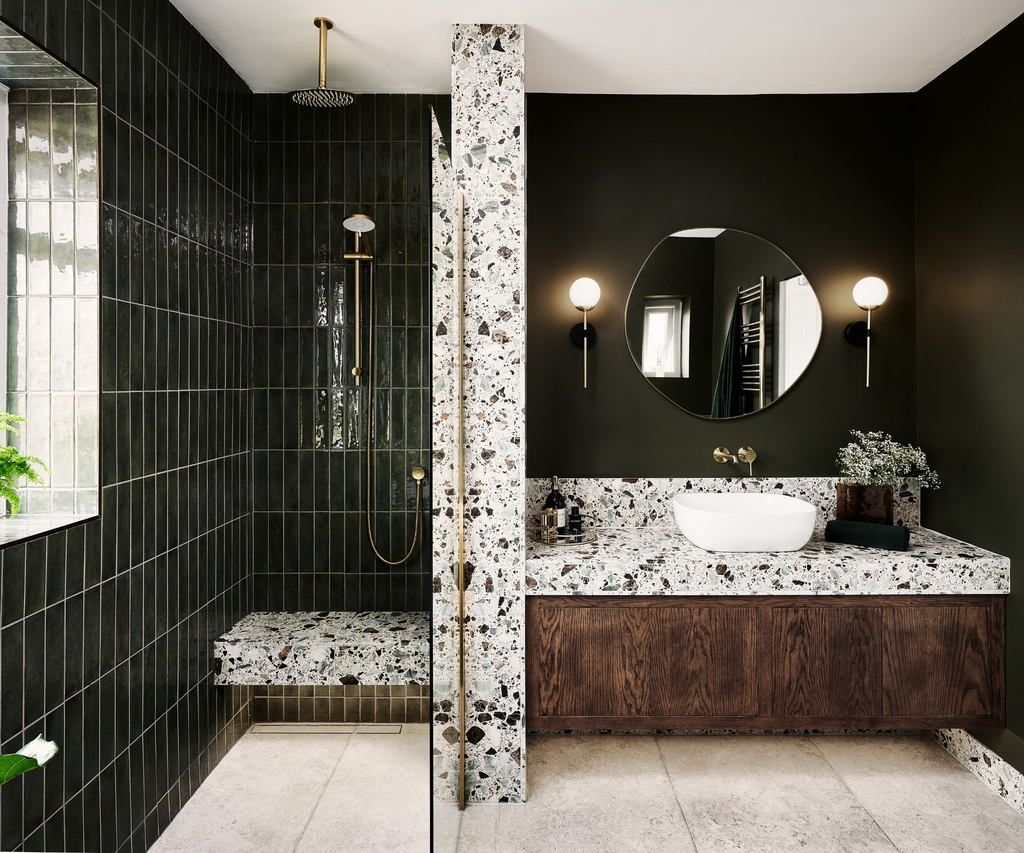
Walk-in showers can be particularly attractive to homeowners seeking easier access. They can also create a more open appearance when paired with clear glass panels and streamlined hardware. Built-in niches provide convenient locations for toiletries without requiring bulky shelves.
Bathtubs remain useful for households that enjoy soaking or need a bathing option for children. A renovation does not necessarily require removing the tub. In some bathrooms, combining a tub and shower can provide greater versatility.
Waterproofing is critical in wet areas. Proper installation behind tile and around shower surfaces helps protect the underlying structure from moisture intrusion. Decorative finishes should never be treated as a substitute for appropriate waterproofing systems.
Maximizing Storage
Insufficient storage is one of the most common complaints about bathrooms. Toiletries, towels, cleaning supplies, grooming products, and personal items can quickly create clutter when there is no suitable storage.
A well-designed vanity can provide valuable concealed storage while maintaining a clean appearance. Drawers may be more convenient than deep cabinets for organizing smaller items because they allow users to see the contents more easily.
Wall-mounted cabinets, recessed medicine cabinets, open shelving, and built-in niches can provide additional storage without consuming too much floor space. However, open shelving should be used thoughtfully because it can make a room appear cluttered if too many items are displayed.Storage should be designed around the household’s actual needs. A small bathroom used by several people may require surprisingly substantial storage, while a guest bathroom may need much less.
Improving Bathroom Lighting
Lighting has both practical and aesthetic importance. A bathroom should provide enough illumination for grooming and other detailed tasks while also creating a comfortable atmosphere.
Layered lighting is often an effective approach. General lighting provides overall illumination, task lighting can be positioned near mirrors, and accent lighting can highlight architectural or decorative elements.Mirror lighting deserves particular attention. Shadows across the face can make shaving, applying makeup, or other grooming activities more difficult. Fixtures positioned appropriately around or near the mirror can provide more balanced illumination.
Energy-efficient LED lighting can also reduce electricity consumption and offer long-lasting performance. Different color temperatures can create different atmospheres, so lighting should be selected to complement the room’s materials and intended mood.A mirror is both a functional necessity and a powerful design element. A large mirror can make a small bathroom appear more spacious by reflecting light and creating additional visual depth.
Framed mirrors can introduce decorative character, while frameless designs may create a minimalist appearance. Medicine cabinets with integrated mirrors can combine storage and functionality in a compact form.The mirror should be positioned at a comfortable height and coordinated with the vanity, lighting, faucets, and surrounding wall surfaces. When these elements are designed together, the result feels much more cohesive than when each item is selected independently.
Choosing Wall Finishes and Tile Designs
Wall finishes provide an opportunity to introduce personality into a bathroom. Tile can create patterns, textures, borders, accent walls, or subtle visual variation.
A restrained palette can create a timeless appearance, while carefully selected accent tiles can add character without overwhelming the room. Large-format tiles may reduce the number of visible grout lines and create a cleaner visual effect, while smaller tiles can provide more opportunities for patterns and texture.
Color also influences the atmosphere. Neutral shades can create a calm and adaptable environment, while deeper tones can introduce drama and contrast. Soft natural colors can produce a relaxing appearance, particularly when combined with wood-inspired elements and warm lighting.
The most important consideration is balance. Too many patterns, colors, or competing materials can make a small bathroom feel visually busy.
Improving Ventilation and Moisture Control
Ventilation is one of the most important practical features in a bathroom. Showers and baths create significant amounts of moisture, and inadequate ventilation can contribute to condensation, unpleasant odors, and moisture-related damage.
An appropriately sized exhaust fan can help remove humid air and improve indoor comfort. The ventilation system should operate effectively and exhaust moisture appropriately rather than simply moving humid air into another part of the building.
Homeowners should also consider how long the fan needs to operate after showers and whether controls such as timers or humidity sensors would improve convenience. Good ventilation supports the longevity of finishes and helps maintain a healthier bathroom environment.
Adding Energy and Water Efficiency
A renovation provides an excellent opportunity to improve resource efficiency. Water-efficient toilets, faucets, and shower fixtures can reduce water consumption without necessarily sacrificing everyday performance.
Efficient lighting can also reduce electricity use. LED fixtures typically consume less energy than traditional bulbs and can provide long service life.
Efficiency should be viewed as a long-term investment rather than simply a design feature. Small reductions in water and electricity use can accumulate over years of regular bathroom use.However, homeowners should avoid selecting products based solely on efficiency claims. Fixtures should also provide the performance, comfort, durability, and style required by the household.
Accessibility can make a bathroom more comfortable for people of different ages and abilities. Even homeowners who do not currently require accessibility features may appreciate design choices that make the space easier to use in the future.
Walk-in showers, wider clearances, handheld showerheads, strategically positioned grab bars, and slip-resistant flooring can improve usability. Some features can be incorporated discreetly so that the bathroom maintains a modern appearance.Planning for accessibility does not necessarily mean making the room look clinical or institutional. Modern fixtures and finishes allow accessible bathrooms to remain attractive, comfortable, and stylish.
Selecting a Cohesive Design Style
A renovation is more successful when the different elements work together visually. The vanity, flooring, wall tile, fixtures, lighting, hardware, mirrors, and accessories should share a coherent design direction.
Modern bathrooms often use clean lines, restrained colors, minimal hardware, and streamlined storage. Traditional designs may incorporate decorative details, classic fixtures, and warmer materials. Transitional styles can combine traditional and contemporary elements for a balanced appearance.Homeowners should consider whether they want a design that follows current trends or one that is likely to remain attractive for many years. Trend-driven choices can be exciting, but timeless materials and neutral foundations may provide greater flexibility for future updates.
Managing the Renovation Budget
Budget planning is essential before construction begins. Bathroom projects can vary significantly in cost depending on the room’s size, selected materials, labor requirements, plumbing changes, structural modifications, and fixture quality.
A realistic budget should account for both expected expenses and potential unexpected issues. Older bathrooms may contain hidden plumbing, moisture, electrical, or structural problems that are not visible before demolition.
It is wise to establish priorities. For example, homeowners may decide that waterproofing, ventilation, plumbing, and durable flooring are more important than decorative accessories. This approach ensures that essential components receive appropriate attention even if the project encounters unexpected costs.
Choosing materials based on long-term value rather than the lowest initial price can also be beneficial. Extremely inexpensive products may not always provide the durability or performance required in a high-use environment.
Avoiding Common Renovation Mistakes
One common mistake is focusing entirely on aesthetics while overlooking practical infrastructure. A beautiful bathroom can still be frustrating if it has poor ventilation, insufficient storage, inadequate lighting, or an awkward layout.
Another mistake is choosing fixtures without confirming their dimensions and installation requirements. A vanity, toilet, or shower system that looks appropriate in a showroom may not fit comfortably within the available space.
Ignoring future maintenance is also problematic. Complex surfaces, difficult-to-clean corners, and excessive grout can increase the amount of work required to keep the bathroom looking good.
Homeowners should also avoid making too many decisions at the last minute. Delayed selections can affect construction schedules and may result in rushed purchases. Establishing a clear plan before work begins can make the renovation process more organized.
The Importance of Professional Installation
While some cosmetic improvements can be completed by experienced homeowners, extensive renovations often involve plumbing, electrical systems, waterproofing, structural work, and other specialized tasks. Professional installation can help ensure that these components are handled correctly.
Experienced professionals can also identify potential problems before they become expensive repairs. Proper installation of wet-area waterproofing, plumbing connections, electrical fixtures, and ventilation systems is particularly important because mistakes can lead to significant damage.
Professional assistance can also help homeowners understand which design ideas are practical within the existing structure. An experienced contractor or designer can suggest alternatives when a preferred option is unsuitable or unnecessarily expensive.The ultimate objective of bathroom remodeling should be to create a space that remains useful and attractive over time. Trends may change, but durable construction, thoughtful storage, good lighting, efficient fixtures, effective ventilation, and a practical layout will continue to provide value.
A successful renovation combines personal style with sensible planning. It should reflect the homeowner’s preferences without sacrificing comfort or functionality. By choosing durable materials, coordinating finishes, planning storage carefully, and addressing essential infrastructure, homeowners can create a bathroom that feels fresh without becoming difficult to maintain.A renovation is also an opportunity to correct long-standing problems. Poor lighting, limited storage, outdated fixtures, uncomfortable layouts, and inadequate ventilation can all be addressed as part of a comprehensive plan. Rather than treating the project as a purely decorative update, homeowners can use it to improve the entire experience of the room.
Conclusion
A thoughtfully planned bathroom can become one of the most comfortable and valuable spaces in a home. From practical layout improvements and better storage to modern fixtures, attractive finishes, efficient lighting, and improved ventilation, each decision contributes to the final result. Bathroom remodeling in Coatesville provides an opportunity to address existing problems while creating an environment that better reflects contemporary needs and personal preferences.
The most successful projects begin with a clear understanding of how the room will be used. Homeowners should consider their priorities, available space, budget, maintenance expectations, and long-term requirements before selecting materials or starting construction. Attention to waterproofing, drainage, ventilation, lighting, and durable installation is just as important as choosing attractive colors and finishes.
With careful planning and an emphasis on quality, even an outdated bathroom can be transformed into a practical, comfortable, and visually appealing part of the home. A balanced approach ensures that the renovation is not simply impressive when it is completed but continues to deliver convenience and value for many years. Ultimately, bathroom remodeling is most successful when style and function are treated as equally important parts of the design process.