AC Tune-Up: The Essential Guide to Better Cooling, Efficiency, and Long-Term Performance
An air conditioning system is one of the most important appliances in a comfortable home or workplace, especially during periods of intense heat. Although modern air conditioners are designed to operate reliably for many years, regular maintenance is still necessary to keep them performing at their best. Like any mechanical and electrical system, an air conditioner gradually collects dust, experiences normal component wear, and can lose efficiency when small problems are left unattended. A professional tune-up provides an opportunity to identify these issues early, improve system performance, and reduce the likelihood of unexpected breakdowns.
Many people wait until an air conditioner stops cooling before calling a technician. Unfortunately, this approach can turn a minor maintenance issue into an expensive repair. A clogged filter, dirty coil, weak electrical connection, or restricted airflow may not seem serious at first, but each problem can place additional strain on the equipment. Over time, that strain may increase energy consumption and shorten the useful life of important components. Regular servicing takes a preventive approach by addressing potential concerns before they become major failures.
What an AC Tune-Up Actually Involves
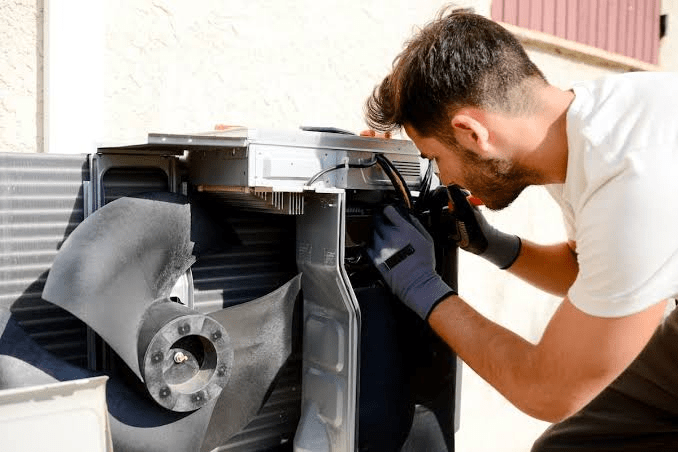
An AC tune-up is a detailed maintenance service designed to evaluate the condition and operation of an air conditioning system. It is more comprehensive than simply changing an air filter or checking whether cool air is coming from the vents. During a professional inspection, a technician typically examines several parts of the system, checks operating conditions, cleans appropriate components, and looks for signs of wear or developing problems.
The exact process can vary depending on the type, age, and design of the air conditioner. However, a thorough service generally includes an inspection of the indoor and outdoor units, airflow assessment, electrical checks, thermostat evaluation, condensate drain inspection, and examination of the system’s refrigerant-related components. The technician may also clean coils and other accessible components when necessary.
The purpose is not simply to make the air conditioner run temporarily. A proper maintenance visit is intended to ensure that the equipment is operating safely and efficiently while identifying conditions that could affect performance in the future. This preventive approach can make a significant difference in reliability, particularly when the system is expected to operate for long periods.
Why Regular Maintenance Matters
Air conditioners work by moving heat from an indoor environment to an outdoor environment. This process requires several components to work together continuously, including the compressor, condenser, evaporator coil, blower, fan motors, electrical controls, thermostat, and refrigerant circuit. When one part becomes dirty, damaged, or inefficient, the entire system may have to work harder to maintain the desired indoor temperature.
Regular maintenance helps keep these components in better operating condition. A clean system can generally move air and transfer heat more effectively than one covered with dust and debris. Proper airflow also reduces unnecessary strain on the blower and other components. By addressing small issues early, maintenance can help prevent the chain reaction in which one failing component places additional stress on another.
Another important benefit is consistency. An air conditioner that receives routine care is more likely to provide dependable cooling throughout the season. While no maintenance program can guarantee that a system will never fail, regular inspections can reduce avoidable problems and give homeowners a clearer understanding of the condition of their equipment.
Improved Energy Efficiency
Energy efficiency is one of the most practical reasons to schedule an AC tune-up. An air conditioner that is dirty, poorly adjusted, or experiencing restricted airflow may need to operate longer to achieve the same temperature as a well-maintained system. Longer operating cycles can increase electricity consumption and place greater stress on mechanical components.
Dirty coils are a common example. The outdoor condenser coil releases heat collected from inside the building. If dirt and debris interfere with heat transfer, the system may have difficulty releasing that heat efficiently. Similarly, a dirty indoor coil or blocked filter can restrict airflow and reduce the system’s ability to cool effectively.
During maintenance, a technician can identify conditions that interfere with efficient operation and correct them where appropriate. Although maintenance alone cannot transform an old inefficient system into a highly efficient new model, keeping an existing unit clean and properly adjusted can help it perform closer to its intended operating capability.
Better and More Consistent Cooling
An air conditioner should ideally maintain comfortable indoor temperatures without excessive cycling, unusual fluctuations, or constantly running at maximum effort. When airflow is restricted or components are not functioning correctly, some rooms may become warmer than others, and the system may struggle to reach the thermostat setting.
A maintenance inspection can reveal issues that contribute to inconsistent cooling. These may include dirty filters, obstructed vents, coil contamination, blower problems, thermostat inaccuracies, or other conditions affecting system performance. Correcting such problems can improve the distribution of conditioned air and help the system respond more effectively to temperature demands.
Consistent cooling is also about more than comfort. When an air conditioner repeatedly struggles to achieve its target temperature, its components may experience additional operating stress. Maintaining proper performance can therefore support both comfort and equipment reliability.
Extending the Life of the Equipment
Replacing an air conditioning system is a significant investment. While every system eventually reaches the end of its useful life, proper maintenance can help protect that investment by reducing unnecessary wear.
Consider the compressor, one of the most important and expensive components in many cooling systems. Problems such as inadequate airflow, electrical issues, or abnormal operating conditions can place additional stress on the compressor. Addressing related problems early may help reduce the likelihood of severe damage.
The same principle applies to fans, motors, electrical connections, and other components. Routine inspection gives a technician the opportunity to identify unusual sounds, signs of overheating, corrosion, loose connections, and other warning signs. Fixing a small problem is often easier and less disruptive than dealing with a complete component failure later.
Maintenance should not be viewed as a guarantee of a specific lifespan. Instead, it is a sensible way to support the equipment throughout its service life and reduce preventable deterioration.
Reducing the Risk of Unexpected Breakdowns
Few things are more inconvenient than an air conditioner failing when it is needed most. A breakdown can create discomfort and may require emergency service, replacement parts, or an urgent repair appointment. Preventive maintenance can reduce some of these risks by identifying developing issues before they result in a complete loss of cooling.
For example, a technician may discover a deteriorating electrical connection, unusual motor noise, a blocked condensate drain, or a component showing signs of excessive wear. These observations provide an opportunity to address the problem while the system is still operating.
Preventive maintenance is particularly valuable because some air conditioning problems develop gradually. A system may continue producing cool air even while its efficiency is declining. Without an inspection, the homeowner may not notice the underlying issue until the equipment stops working.
What a Technician Usually Checks
A comprehensive maintenance visit may include numerous inspection and testing procedures. One of the first areas technicians often evaluate is the air filter. A heavily clogged filter can restrict airflow and contribute to reduced cooling performance. Depending on the type of filter and system, the technician may recommend replacement or cleaning.
The thermostat is another important part of the system. An inaccurate thermostat can cause improper cycling or temperature control problems. The technician may verify that the thermostat responds correctly and communicates properly with the air conditioning equipment.
Electrical components are also inspected because air conditioners rely on electrical connections, capacitors, contactors, motors, and control systems. Loose or damaged connections can affect performance and may create safety concerns. Checking these components helps identify potential issues before they become more serious.
The indoor and outdoor coils may be inspected for dirt and contamination. Proper coil condition is important for efficient heat transfer. The technician may also inspect fans and motors for abnormal operation, wear, or unusual noise.
Condensate drainage is another area that deserves attention. Air conditioning systems can produce moisture during the cooling process, and that water must be removed properly. A blocked drain can cause water leakage, unpleasant odors, or other problems. Inspecting the drain system can help prevent avoidable complications.
The Importance of Airflow
Airflow is central to air conditioning performance. Even if the cooling components are functioning correctly, insufficient airflow can prevent the system from delivering comfortable temperatures efficiently.
Several issues can contribute to airflow problems. These include dirty filters, obstructed vents, dirty coils, blower problems, duct restrictions, and other mechanical conditions. A technician can assess airflow and determine whether the system is moving an appropriate amount of air.
Good airflow also helps maintain the correct operating conditions for the equipment. When airflow is severely restricted, the system may experience abnormal temperatures and increased stress. This can affect efficiency and potentially contribute to component problems if the condition is allowed to continue.
Homeowners can support proper airflow by keeping vents unobstructed, replacing filters according to manufacturer recommendations, and paying attention to changes in cooling performance. Professional inspections provide a more complete assessment when airflow problems persist.
Warning Signs That Maintenance Is Needed
Air conditioners often provide warning signs before a major failure occurs. Recognizing these symptoms can help homeowners schedule service before the problem becomes more expensive or disruptive.
One common warning sign is reduced cooling performance. If the system runs for long periods but does not seem to cool the space effectively, something may be affecting its operation. Unusual noises are another important indicator. Grinding, rattling, squealing, buzzing, or repeated clicking should not be ignored because different sounds can indicate mechanical or electrical problems.
Unexpected increases in energy consumption may also deserve investigation, particularly when usage habits have not changed significantly. Frequent short cycling, unusual odors, excessive moisture, water leakage, or weak airflow can likewise indicate that the system needs attention.
It is important to remember that these symptoms can have different causes. A professional evaluation is the best way to determine the source rather than assuming that a particular problem has a single explanation.
When Should an AC Tune-Up Be Scheduled?
The ideal timing depends on the equipment, usage pattern, climate, and manufacturer’s maintenance recommendations. Many homeowners choose to schedule preventive maintenance before the period when the air conditioner will be used most heavily. Doing so gives the technician an opportunity to identify problems before the system is placed under sustained demand.
Seasonal maintenance can be especially useful for equipment that has been inactive for an extended period. Dust, debris, electrical issues, and other conditions may develop while the system is not operating regularly. A pre-season inspection can provide reassurance that the equipment is ready for increased use.
Older systems may also benefit from more frequent professional attention, particularly if they have a history of repairs or performance issues. The appropriate maintenance schedule should ultimately be based on the manufacturer’s guidance and the specific condition of the system.
How Homeowners Can Support AC Performance
Professional servicing is important, but homeowners can also take simple steps between maintenance visits. Replacing or cleaning the air filter at the recommended intervals is one of the easiest ways to support proper airflow. The correct schedule varies depending on the filter type, indoor air conditions, household activity, and system requirements.
Outdoor units should also be kept reasonably clear of leaves, grass, branches, and other debris. Adequate clearance around the equipment allows air to circulate properly. However, homeowners should avoid attempting complex cleaning or repairs without appropriate knowledge, especially when electrical components or refrigerant systems are involved.
It is also useful to pay attention to changes in system behavior. A new noise, unusual smell, weak airflow, water leak, or noticeable decline in cooling should be treated as a reason to investigate rather than something to ignore.
Professional Service Versus DIY Maintenance
There are several maintenance tasks that homeowners can safely perform, but professional service goes much further. Simple tasks such as replacing filters, keeping vents clear, and removing loose debris around an outdoor unit can support routine care. More technical work, however, requires appropriate training and equipment.
Air conditioning systems contain electrical components and, depending on the system, refrigerant under pressure. Attempting to repair or modify these components without the necessary knowledge can result in equipment damage or personal injury. Professional technicians are equipped to perform electrical testing, inspect mechanical components, evaluate operating pressures, and identify problems that may not be visible during a basic home inspection.
For that reason, homeowners should treat DIY maintenance as a supplement to professional servicing rather than a replacement for it.
Choosing a Reliable Maintenance Service
Selecting the right service provider is an important part of maintaining an air conditioning system. A reputable technician should provide a clear explanation of the work being performed and identify any problems found during the inspection. Homeowners should be cautious of vague recommendations or pressure to replace equipment without a proper explanation of the underlying issue.
It is helpful to ask what the maintenance visit includes, whether the technician will inspect electrical and mechanical components, and whether any recommended repairs are urgent or simply advisable for future consideration. Clear communication makes it easier to understand the condition of the system and make informed decisions.
A good maintenance provider should focus on the actual needs of the equipment rather than automatically recommending unnecessary services. Keeping records of inspections and repairs can also help track the system’s history and identify recurring problems.
Understanding the Long-Term Value of Maintenance
The value of an AC tune-up should not be measured only by whether the system starts producing colder air immediately after service. Preventive maintenance is about protecting performance over time. A well-maintained system can operate more consistently, potentially use energy more efficiently, and provide greater reliability.
Regular inspections can also help homeowners plan for future expenses. If a technician identifies an aging component or declining system performance, the homeowner has time to consider repair or replacement options rather than making an emergency decision after a sudden failure.
This planning advantage can be particularly valuable with older equipment. Knowing the approximate condition of an air conditioner allows homeowners to budget for eventual replacement and compare options carefully instead of waiting until there is no cooling at all.
Common Mistakes to Avoid
One of the biggest maintenance mistakes is waiting until the system breaks down. Preventive care is most effective when performed before serious problems occur. Another mistake is ignoring small warning signs, such as strange noises or reduced airflow, simply because the air conditioner still works.
Using the wrong filter or failing to replace a heavily clogged filter can also create problems. Homeowners should follow the equipment manufacturer’s recommendations rather than assuming that every filter has the same maintenance requirements.
Another common mistake is overlooking the outdoor unit. Because it is outside and often out of sight, it may be neglected. Leaves, dirt, grass, and other debris can interfere with airflow and heat transfer. Keeping the surrounding area reasonably clear can help the system operate under better conditions.
Finally, attempting technical repairs without the necessary training can create additional problems. Professional assistance is the safer choice whenever the issue involves electrical components, refrigerant, internal mechanical parts, or uncertain system behavior.
A Smart Approach to Air Conditioning Care
Regular maintenance is one of the simplest strategies for protecting an air conditioning investment. An AC tune-up can help uncover small issues, support efficient operation, improve reliability, and keep cooling performance more consistent. It also gives homeowners valuable information about the current condition of their equipment.
Rather than viewing maintenance as an unnecessary expense, it is more useful to consider it part of responsible equipment ownership. Just as a vehicle requires routine service to remain dependable, an air conditioning system benefits from periodic inspection and care. Preventive attention can help reduce avoidable stress on the equipment and provide greater confidence during periods of heavy use.
For homeowners who want dependable cooling, scheduling an AC tune-up with a qualified professional can be a practical step toward maintaining system performance. The service can identify developing concerns, evaluate important components, and help ensure that the equipment is operating as intended. Another benefit is that regular servicing creates a maintenance history, making it easier to recognize recurring problems and plan future repairs.
Final Thoughts
An air conditioner is a complex system that depends on many components working together efficiently. Dirt, restricted airflow, electrical wear, drainage problems, and mechanical deterioration can gradually reduce performance even when the equipment continues to operate. Waiting for a complete breakdown is therefore not the best maintenance strategy.
A professional AC tune-up offers a proactive way to evaluate the system, address minor concerns, and support dependable operation. Combined with basic homeowner care, regular inspections can help preserve cooling performance, improve efficiency, and reduce the likelihood of unexpected problems.
The most effective maintenance strategy is consistent rather than reactive. Replace or clean filters as recommended, keep airflow pathways unobstructed, monitor unusual changes in performance, and arrange professional inspections at appropriate intervals. With these habits in place, homeowners can give their air conditioning equipment a better opportunity to operate efficiently and reliably throughout its service life.