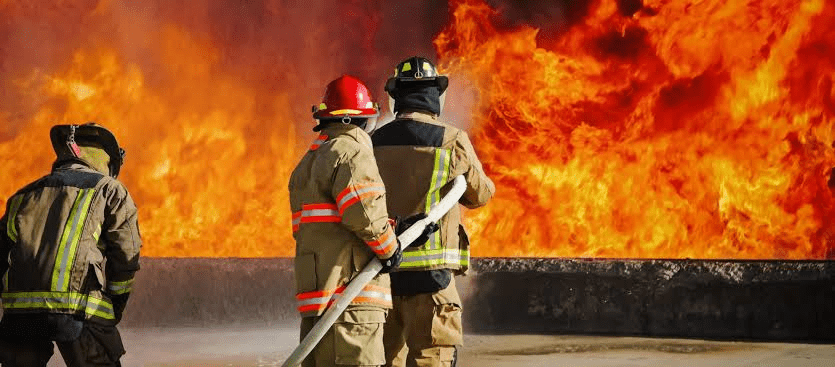
Understanding Fire Mitigation: Essential Strategies for Protecting Property and People
Fire safety is an important part of protecting homes, commercial buildings, workplaces, and valuable assets from unexpected emergencies. A fire can spread rapidly, damage structural components, destroy personal belongings, interrupt business operations, and create serious risks for occupants. Because of these potential consequences, property owners and managers should focus on preparation rather than waiting until an emergency occurs. Effective fire mitigation involves identifying possible hazards, reducing the likelihood of ignition, and putting protective measures in place before a dangerous situation develops. It is not limited to installing alarms or keeping extinguishers nearby; instead, it requires a broader approach that considers building conditions, electrical systems, combustible materials, human behavior, emergency planning, and ongoing maintenance. When these elements are addressed together, the overall risk of severe fire damage can be significantly reduced.
What Fire Mitigation Means
Fire mitigation refers to the practical steps taken to reduce the possibility and potential impact of a fire. These measures can include prevention strategies, protective equipment, property improvements, emergency planning, and routine inspections. The goal is not always to eliminate every possible source of fire because some hazards cannot be completely removed from everyday environments. Instead, the objective is to recognize risks early and establish safeguards that limit the chance of ignition or prevent a small incident from becoming a major disaster. A strong fire mitigation plan begins with understanding the specific characteristics of a property, including its construction materials, electrical infrastructure, heating equipment, cooking areas, storage spaces, and occupancy patterns. By examining these factors carefully, property owners can make informed decisions about which safety improvements deserve the greatest attention and investment.
Identifying Common Fire Hazards
The first step toward improving fire safety is recognizing the hazards that may exist within a property. Electrical problems are among the concerns that deserve particular attention because overloaded circuits, damaged wiring, faulty outlets, and improperly maintained appliances can create dangerous conditions. Heating equipment, cooking appliances, candles, fireplaces, machinery, and combustible storage can also increase the possibility of ignition. In workplaces, additional risks may come from chemicals, manufacturing processes, fuel sources, dust, or specialized equipment. Regular inspections can help identify problems before they become emergencies, particularly when employees, residents, or building managers are encouraged to report unusual smells, damaged cords, overheating equipment, or other warning signs. Understanding where hazards exist makes it easier to establish appropriate controls and prioritize improvements according to the level of risk.
Creating a Practical Safety Assessment
A detailed property assessment provides a useful foundation for an effective safety strategy. During an assessment, important areas should be reviewed for ignition sources, combustible materials, blocked exits, inadequate emergency equipment, and other conditions that could make an incident more dangerous. Electrical panels and wiring should be checked for visible problems, while heating and cooling equipment should receive appropriate maintenance. Storage arrangements should also be examined because excessive materials placed near heat sources can contribute to rapid fire development. An assessment should consider not only how a fire might start but also how people would escape if an emergency occurred. This type of evaluation supports fire mitigation by turning general safety concerns into specific actions that property owners and occupants can understand and address.
Improving Electrical Safety
Electrical systems require consistent attention because even a small defect can create heat, sparks, or an electrical arc capable of igniting nearby materials. Property owners should avoid using damaged cords, overloaded power strips, or unsuitable extension cables. Appliances should be maintained according to manufacturer recommendations, and equipment showing signs of overheating, burning smells, or unusual performance should be inspected promptly. Electrical panels should remain accessible and should never be surrounded by unnecessary storage. Professional inspections can also help identify aging wiring or other hidden problems that may not be obvious during a basic visual check. Incorporating electrical inspections into a broader fire mitigation program can reduce preventable ignition risks and help ensure that building systems remain safer over time.
Managing Combustible Materials
The way combustible materials are stored can have a major effect on how quickly a fire develops. Paper products, cardboard, fabrics, packaging, wood, fuels, chemicals, and other flammable materials should be kept away from ignition sources whenever possible. Storage areas should remain organized so that emergency equipment and exit routes are not blocked. In workplaces, employees should understand which substances require special storage conditions and how different materials should be handled. Accumulated waste should also be removed regularly because unnecessary combustible material can provide additional fuel during an emergency. A well-organized property not only looks cleaner but can also reduce the amount of material available to support fire growth, making proper storage an important component of overall fire safety.
Installing and Maintaining Detection Equipment
Early detection can make a significant difference during a fire because occupants may have more time to respond, evacuate, and contact emergency services. Smoke alarms should be installed in appropriate areas and tested regularly to confirm that they function correctly. Carbon monoxide detectors may also be necessary in properties where fuel-burning appliances are present. Batteries should be replaced as recommended, and devices that are outdated or damaged should be replaced promptly. Larger buildings may require more advanced detection and alarm systems that can provide warnings across multiple rooms or floors. Detection equipment should never be treated as a set-and-forget solution; routine testing, maintenance, and inspection are necessary to ensure that these systems remain dependable when they are needed most.
Using Fire Extinguishers Correctly
Fire extinguishers can be useful for controlling a small fire when conditions are safe and the person using the extinguisher has an unobstructed escape route. Different types of extinguishers are designed for different classes of fire, so selecting appropriate equipment is essential. Extinguishers should be placed where occupants can find them quickly without having to pass through a hazardous area. Employees and residents should understand basic operating procedures and recognize that an extinguisher should not be used when a fire is already spreading rapidly or producing dangerous conditions. Regular inspections can identify damaged equipment, low pressure, expired units, or other problems. Proper extinguisher placement and maintenance support fire mitigation by providing an additional layer of protection during the early stages of an incident.
Maintaining Clear Emergency Exits
A safe evacuation route is one of the most important features of any property. Emergency exits should remain unobstructed, clearly identifiable, and accessible to everyone who may need to use them. Furniture, boxes, equipment, or stored materials should never be allowed to restrict corridors or doorways that form part of an evacuation route. Emergency lighting and exit signs should also be checked regularly, particularly in buildings where occupants may need to evacuate during a power outage. Businesses should establish evacuation procedures and ensure that workers know where to gather after leaving the building. These measures reduce confusion during stressful situations and can help people move away from danger more quickly.
Developing an Emergency Response Plan
A written emergency response plan gives occupants clear guidance about what to do when a fire occurs. The plan should explain how an alarm will be raised, how people should evacuate, where they should assemble, and who is responsible for contacting emergency services. Businesses may also need procedures for protecting critical records, shutting down certain equipment, or assisting individuals who require additional support during evacuation. Everyone who regularly occupies the property should be familiar with the plan rather than discovering procedures for the first time during an emergency. Drills can help identify weaknesses in evacuation routes, communication methods, and staff responsibilities. A regularly reviewed plan strengthens fire mitigation efforts because preparation can reduce hesitation and confusion when every second matters.
Training Employees and Occupants
Fire safety depends heavily on human behavior, which makes education and training an essential part of prevention. Employees should know how to recognize common hazards, report unsafe conditions, respond to alarms, and follow evacuation procedures. Training should also explain why certain behaviors, such as blocking exits or using damaged electrical equipment, create unnecessary risks. New employees should receive appropriate safety information during onboarding, while refresher sessions can reinforce important procedures for existing staff. Residential property managers can similarly provide occupants with basic information about alarms, emergency exits, and safe practices. When people understand their responsibilities, they become an active part of the property’s safety system instead of relying entirely on equipment and management.
Reducing Risks During Construction and Renovation
Construction and renovation projects can introduce temporary hazards that require additional attention. Exposed electrical systems, hot work, temporary wiring, construction materials, dust, solvents, and equipment can create conditions that are different from those present during normal building operations. Contractors and property managers should establish procedures for controlling ignition sources and storing combustible materials safely. Hot work activities may require additional precautions, including appropriate monitoring before and after work is completed. Temporary changes to exits or alarm systems should also be managed carefully so occupants are not left without reasonable protection. Considering these temporary conditions as part of fire mitigation planning can help reduce risks during projects that alter the normal environment of a property.
Protecting Critical Property and Information
Fire prevention should focus on people first, but protecting important property and information can also be valuable. Businesses may rely on documents, equipment, inventory, computer systems, customer records, and other assets that could be difficult or impossible to replace. Important digital information should be backed up securely, preferably using systems that remain accessible if the primary building becomes unavailable. Physical records can be stored in appropriately protected locations when necessary. Valuable equipment should be positioned and maintained with fire risks in mind rather than being placed near obvious ignition sources. These precautions do not replace evacuation and life-safety measures, but they can reduce the long-term consequences of a serious incident and support faster recovery afterward.
The Importance of Regular Inspections
Fire safety measures become less effective when they are not maintained. Alarms can develop faults, extinguishers can lose pressure, electrical equipment can deteriorate, and emergency exits can gradually become blocked by everyday storage. Regular inspections help ensure that protective systems continue working as intended. Property managers should maintain records of inspections, repairs, testing, and employee training so that safety responsibilities remain organized. Any identified problem should be addressed according to its urgency rather than being left unresolved. Seasonal changes may also require additional attention because heating equipment, weather conditions, or changes in building use can introduce different risks. Ongoing maintenance turns fire mitigation from a one-time project into a continuous safety practice.
Building a Strong Prevention Culture
A strong safety culture develops when everyone understands that fire prevention is a shared responsibility. Management should provide appropriate resources, establish clear expectations, and respond seriously when hazards are reported. Employees and occupants should feel comfortable raising concerns without assuming that someone else will handle them. Small issues should be addressed before they develop into larger problems, whether that means replacing a damaged cable, clearing an obstructed doorway, correcting unsafe storage, or arranging professional maintenance. Communication also plays an important role because people are more likely to follow procedures when they understand their purpose. A prevention-focused culture makes fire mitigation part of everyday decision-making rather than something considered only after an emergency.
Reviewing and Updating Safety Measures
Fire risks can change as buildings, businesses, equipment, and occupancy patterns change. A property that was considered relatively low risk several years ago may have new equipment, additional storage, different operations, or altered layouts that require an updated assessment. Safety plans should therefore be reviewed periodically and whenever significant changes occur. Lessons from drills, inspections, near misses, and actual incidents should be incorporated into future improvements. Management should also consider whether current equipment remains suitable for the property’s needs and whether employees understand the latest procedures. Regular reviews help ensure that safety strategies remain relevant instead of relying on outdated assumptions. This continuous improvement approach makes fire mitigation more effective because it responds to changing conditions rather than following a fixed plan indefinitely.
Conclusion
Effective fire safety requires more than reacting after an incident has already caused damage. It depends on identifying hazards, maintaining equipment, protecting electrical systems, managing combustible materials, keeping exits accessible, training occupants, and preparing clear emergency procedures. Each measure contributes another layer of protection, and the combination of several well-maintained safeguards can substantially reduce the potential impact of a fire. Property owners, managers, businesses, and occupants all have a role to play in maintaining safer environments. By treating prevention as an ongoing responsibility and regularly reviewing existing procedures, it becomes easier to identify weaknesses before they become serious problems. Ultimately, a thoughtful fire mitigation strategy can protect lives, reduce property losses, support business continuity, and create greater confidence that people will know how to respond when an emergency occurs.