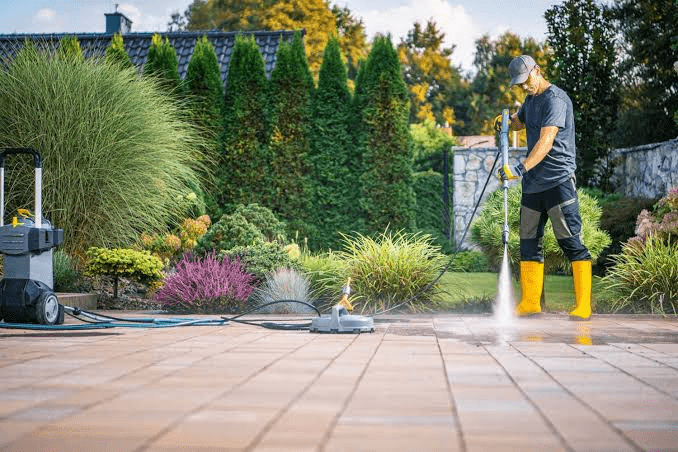
Why Professional Power Washing Matters for a Cleaner and Healthier Property
Keeping a property clean and well-maintained is essential for preserving its appearance, functionality, and overall value. Exterior surfaces are constantly exposed to rain, dust, dirt, pollen, mud, algae, mold, mildew, oil, and other contaminants that gradually create a worn or neglected appearance. Over time, these substances can become deeply embedded in concrete, brick, siding, decks, patios, fences, and other outdoor surfaces. Power washing provides an effective method for removing stubborn buildup and restoring the appearance of many exterior areas. When performed with suitable equipment and techniques, this cleaning process can help property owners maintain cleaner surroundings while making outdoor spaces more attractive and easier to care for.
Understanding Exterior Surface Cleaning
Outdoor surfaces face continuous exposure to environmental conditions, which means they naturally accumulate dirt and debris. Wind can carry dust and organic material onto walls and paved surfaces, while rain can leave behind mineral deposits and muddy residue. Moisture can also encourage algae, mold, and mildew growth, especially in shaded areas where surfaces remain damp for extended periods. Vehicle fluids, food spills, leaves, and other materials can add additional stains to frequently used spaces. Regular exterior cleaning helps prevent these contaminants from becoming increasingly difficult to remove. Power washing can provide a deeper cleaning option by using controlled water pressure to loosen and remove buildup from suitable exterior surfaces.
Benefits of Removing Dirt and Grime
Accumulated grime can affect more than the visual appearance of a property. Dirt and organic buildup can make surfaces look aged, neglected, or discolored, while certain contaminants may contribute to slippery conditions on outdoor walkways and other frequently used areas. Regular cleaning can help maintain a more attractive appearance and make it easier to identify surface problems that might otherwise remain hidden beneath layers of dirt. Cleaning also reduces the amount of buildup that needs to be removed during future maintenance sessions. Property owners can benefit from establishing a routine that addresses exterior surfaces before contamination becomes severe. When used appropriately, power washing can support this maintenance approach by providing an efficient way to clean large or heavily soiled outdoor areas.
Cleaning Driveways and Walkways
Driveways and walkways receive frequent exposure to foot traffic, vehicles, weather, leaves, mud, tire marks, and other sources of dirt. Oil and automotive fluids can create particularly stubborn stains that ordinary sweeping or rinsing may not remove effectively. Concrete and other hard surfaces can also develop dark patches caused by algae or accumulated grime. A suitable pressure-cleaning method can help loosen these contaminants and improve the appearance of paved areas. However, the pressure level should always be appropriate for the surface because excessive force may cause etching, surface deterioration, or other damage. Professional power washing can help maintain driveways and walkways while removing buildup that may otherwise become increasingly difficult to address.
Maintaining Exterior Walls
Exterior walls are another area where dirt and environmental buildup can become noticeable over time. Brick, concrete, vinyl siding, painted surfaces, stucco, and other materials may collect dust, pollen, algae, mildew, and general grime. However, these materials do not all respond to cleaning pressure in the same way. A technique that is appropriate for durable concrete may be too aggressive for painted surfaces or delicate exterior materials. Excessive pressure can potentially remove paint, damage surface coatings, or force water into vulnerable areas. Before cleaning, the material should be identified and its condition evaluated so that the appropriate method can be selected. Carefully performed power washing can improve the appearance of exterior walls while helping minimize the risk of unnecessary surface damage.
Refreshing Patios and Outdoor Spaces
Patios and outdoor living areas can accumulate dirt from regular use, weather exposure, food, drinks, leaves, and nearby vegetation. These spaces may also develop algae or mildew when moisture remains on the surface for long periods. Cleaning can make patios more comfortable and attractive while helping prepare them for gatherings, seasonal use, or general outdoor activities. Before work begins, furniture, planters, decorations, grills, and other movable objects should be relocated or protected. The cleaning technique should be matched to the material, whether the surface is concrete, brick, stone, tile, or another product. Regular power washing can help restore the appearance of outdoor areas and remove accumulated contaminants that ordinary household cleaning may leave behind.
Caring for Decks and Fences
Decks and fences often require more careful cleaning because certain materials can be damaged by excessive pressure. Wooden surfaces, in particular, can develop rough areas, splintering, or visible damage if the cleaning process is too aggressive. Before cleaning, the condition of boards, fasteners, coatings, and structural components should be checked for signs of deterioration. A suitable pressure level can then be selected according to the type and condition of the material. After cleaning, wooden surfaces may require drying, staining, sealing, or additional maintenance depending on their condition. Professional techniques can help remove dirt and organic growth without unnecessarily damaging the surface, making power washing a useful maintenance option when the appropriate approach is followed.
Removing Mold, Mildew, and Algae
Mold, mildew, and algae can develop on outdoor surfaces where moisture and shade create favorable conditions. Their presence can make walls, patios, steps, walkways, and other areas appear dirty or neglected. Some growth can also contribute to slippery conditions, particularly on surfaces that remain wet. Removing visible contamination can improve the appearance of the area and make future inspections easier. Depending on the material and type of growth, appropriate cleaning solutions may be combined with controlled water pressure to achieve better results. Care should be taken to prevent cleaning agents or contaminated runoff from damaging plants or surrounding areas. Properly performed power washing can help remove unwanted organic buildup and restore a cleaner surface.
Preparing Surfaces for Painting
Good surface preparation is an important part of many exterior painting projects. New paint and coatings generally perform better when applied to surfaces that are free from loose dirt, mildew, grease, dust, and other contaminants. Cleaning before painting can also reveal cracks, peeling areas, damaged materials, and other conditions that may need repair before a new coating is applied. However, surfaces should be cleaned using methods that do not cause unnecessary damage. Excessive pressure can remove existing paint or weaken a surface, creating additional repair requirements. After cleaning, the surface should be allowed to dry thoroughly and inspected before painting begins. When handled correctly, power washing can provide an effective preparation step for suitable exterior painting projects.
Improving Overall Curb Appeal
A clean exterior can significantly influence how a property looks and feels. Stained driveways, dirty walkways, discolored walls, and weathered patios may make a property appear less maintained even when other areas are in good condition. Removing accumulated grime can reveal the original color and texture of exterior materials and create a noticeable visual improvement. This can be particularly helpful before hosting an event, completing renovations, preparing a property for sale, or simply improving its everyday appearance. Cleaning multiple exterior surfaces can also create a more consistent look throughout the property. A well-maintained exterior often gives the impression that the property receives regular care and attention.
Protecting Surfaces Through Routine Maintenance
Exterior cleaning is generally more effective when performed as part of a regular maintenance schedule rather than waiting until surfaces become heavily contaminated. Dirt, organic material, and stains can become more difficult to remove when they remain undisturbed for long periods. Routine cleaning can help prevent excessive accumulation and make future maintenance easier. The ideal cleaning frequency depends on factors such as surface material, weather exposure, nearby vegetation, property use, and moisture levels. Property owners should inspect outdoor surfaces periodically and address developing stains or organic growth before they become extensive. A consistent maintenance routine can help preserve the appearance and condition of exterior surfaces over time.
Choosing Appropriate Equipment
The quality and safety of an exterior cleaning project depend significantly on the equipment being used. Pressure-cleaning machines are available with different pressure levels, water-flow rates, nozzles, hoses, and accessories. These settings should be selected according to the material being cleaned and the type of contamination present. A high-pressure setting that works effectively on a durable concrete surface may be unsuitable for wood, painted siding, or other sensitive materials. Surface-cleaning attachments can also provide more even results across large flat areas. Understanding how equipment settings affect different materials is essential for avoiding damage. Choosing suitable equipment and operating it correctly can make cleaning more efficient while producing more consistent results.
Using Cleaning Solutions Responsibly
Water pressure may not always be enough to remove every type of stain or organic contamination. In certain situations, an appropriate cleaning solution can help loosen stubborn buildup and improve the effectiveness of the cleaning process. However, cleaning products should be selected according to the surface and contamination being treated. They should be used according to manufacturer instructions and handled carefully to protect people, plants, and surrounding materials. Proper rinsing is also important to remove remaining cleaning agents from the surface. Responsible exterior cleaning focuses on achieving the desired result without creating unnecessary environmental or property-related problems.
Avoiding Common Cleaning Mistakes
One of the biggest mistakes property owners can make is assuming that stronger pressure always produces better cleaning results. Excessive pressure can damage concrete, wood, siding, paint, sealants, and other materials. Holding the nozzle too close to the surface can also concentrate pressure in one area and create visible marks or surface deterioration. Another common mistake is failing to inspect the material before selecting equipment settings. Property owners may also overlook preparation steps such as moving furniture, protecting delicate objects, or checking for loose materials. Understanding these potential problems helps reduce the risk of accidental damage and makes the cleaning process more efficient.
Following Important Safety Practices
Pressurized water equipment can cause injuries when handled improperly, so safety should always be considered before work begins. Operators should wear suitable protective equipment and maintain proper control of the spray wand during use. People and pets should remain away from active cleaning areas, especially when debris or contaminants are being dislodged from surfaces. Wet surfaces can also become slippery, creating additional fall risks during and immediately after cleaning. Electrical equipment and connections must be protected from water exposure, while elevated surfaces may require specialized equipment rather than unsafe ladder use. Following appropriate safety procedures is essential for ensuring that power washing is completed without unnecessary risks to workers, occupants, visitors, or surrounding property.
When Professional Cleaning Is Beneficial
Professional exterior cleaning may be particularly useful when a property contains large surfaces, stubborn stains, extensive organic growth, delicate materials, or areas that are difficult to access safely. Experienced technicians can inspect the surface before beginning and determine which cleaning method is appropriate. They can also recognize situations where cleaning may not be the best solution because repairs or surface replacement may be necessary. Professional equipment can provide more consistent coverage and may significantly reduce the time required for larger projects. Property owners should consider the complexity and condition of the work before deciding whether to handle it personally. For challenging projects, professional power washing can provide a controlled and efficient approach while reducing the likelihood of avoidable surface damage.
Maintaining Clean Surfaces Afterward
Keeping surfaces clean after a major cleaning project requires regular attention. Dirt, leaves, pollen, and organic material can accumulate again, particularly in areas surrounded by trees or vegetation. Property owners can reduce buildup by sweeping outdoor surfaces regularly, removing leaves, cleaning spills promptly, trimming vegetation near walls and walkways, and maintaining proper drainage. Gutters and downspouts should also be kept clear so that rainwater does not create unnecessary staining or moisture problems. Small maintenance tasks can extend the time between major cleaning sessions and help exterior areas remain attractive. Consistent care is especially useful after a thorough cleaning because it helps preserve the results for longer.
Making Exterior Cleaning Part of Property Care
Exterior cleaning should be viewed as one component of an overall property maintenance strategy. Different surfaces have different requirements, but regular inspection and cleaning can help owners maintain a consistent appearance and identify developing problems early. Driveways, walkways, patios, decks, fences, walls, and other outdoor features can all benefit from appropriate care. Cleaning can also complement landscaping, painting, repairs, and other improvements by creating a more polished overall appearance. Instead of waiting until surfaces become severely stained or neglected, property owners can establish reasonable maintenance schedules based on their specific conditions. This approach can make exterior care more manageable and help protect the investment made in the property.
Conclusion
Professional exterior cleaning can provide significant benefits when performed with suitable equipment, appropriate techniques, and careful attention to safety. Dirt, grime, mold, mildew, algae, oil, pollen, and other contaminants naturally accumulate on outdoor surfaces, making routine maintenance important for preserving appearance and usability. The most effective approach begins with identifying the surface material, evaluating its condition, selecting suitable equipment, and determining the appropriate pressure and cleaning method. Property owners should also consider safety, environmental protection, debris management, and ongoing maintenance when planning exterior cleaning projects. By incorporating power washing into a regular property-care routine, owners can maintain cleaner outdoor spaces, improve curb appeal, protect suitable surfaces, and create a more attractive and welcoming environment.