A Comprehensive Guide to Keeping Your Home Free From Unwanted Spiders
Spiders are a common sight around homes, gardens, garages, storage areas, basements, and other parts of a property. While most spider species are harmless and can even provide a useful service by feeding on flies, mosquitoes, moths, and other insects, their presence indoors can still be uncomfortable. Finding webs in ceiling corners, spiders behind furniture, or egg sacs in quiet storage spaces may cause concern and make a home feel less comfortable. The good news is that homeowners can take several practical steps to reduce spider activity without relying on a single solution. Understanding what attracts spiders, identifying possible entry points, improving cleanliness, and maintaining the surrounding environment can all contribute to a more comfortable living space.
Understanding Why Spiders Enter Homes
Spiders generally enter homes because they are searching for food, shelter, moisture, or a safe place to reproduce. Buildings can provide all of these conditions, particularly when there are plenty of insects available as a food source. Small openings around doors, windows, vents, pipes, and walls can give spiders easy access to indoor areas. Outdoor lighting can also attract flying insects close to entrances, which may encourage spiders to build webs nearby. Once they discover a quiet location with an adequate food supply, they may remain there for an extended period.The condition and maintenance of a property can have a significant influence on spider activity. Cluttered storage spaces, damp areas, piles of outdoor debris, dense vegetation, and neglected corners can all provide shelter. A home with many insects may naturally attract more spiders because they follow their food sources. Instead of simply removing visible spiders, homeowners should consider why those spiders are appearing in the first place. Identifying the environmental conditions responsible for the activity is an important part of developing a long-term prevention strategy.
Recognizing Signs of Spider Activity
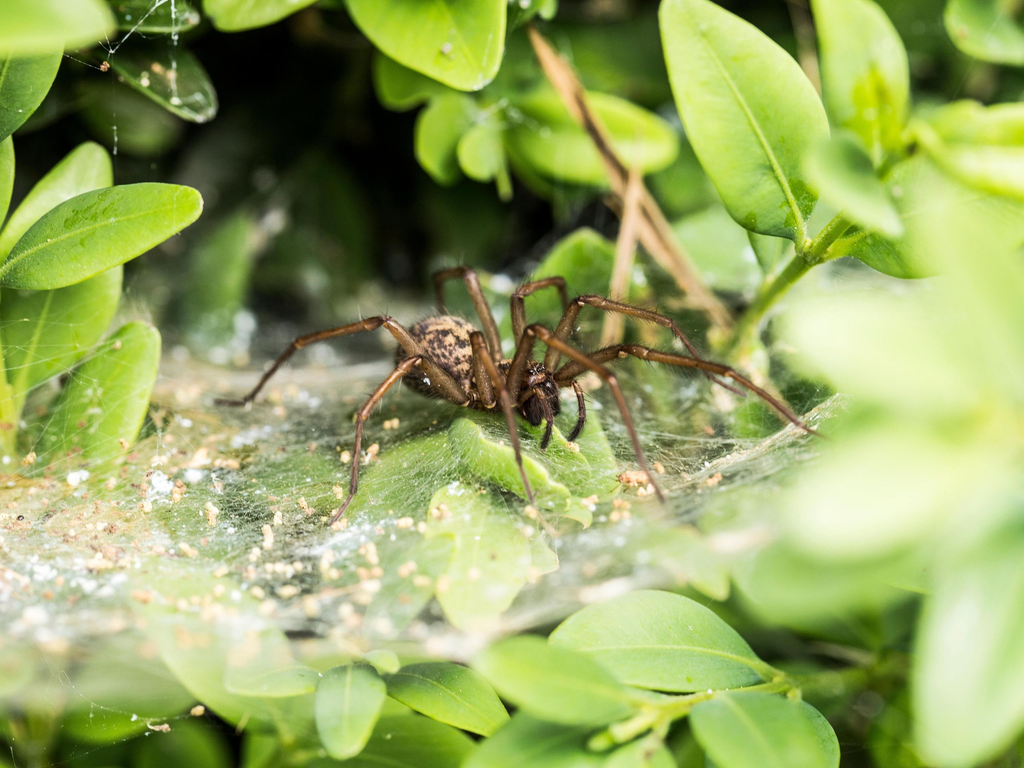
Webs are usually the most noticeable indication that spiders are present. They can appear around windows, ceiling corners, door frames, garages, sheds, outdoor furniture, and other areas that are rarely disturbed. Not every web means there is a serious problem, since old webs can remain after spiders have moved away. However, repeated discovery of fresh webs may indicate that the area continues to provide favorable conditions. Regular cleaning and inspection can help homeowners identify new activity before it becomes more widespread.Egg sacs are another sign that deserves attention because they can contain numerous developing spiders. Finding multiple sacs in hidden areas may indicate that the environment is suitable for reproduction. Frequent spider sightings can also provide useful information, particularly if they occur in the same areas repeatedly. Keeping track of where spiders and webs appear can help identify possible entry points or food sources. This makes it easier to address the cause rather than repeatedly dealing with individual spiders.
Keeping Indoor Spaces Clean
Regular cleaning is one of the simplest ways to make indoor areas less attractive to spiders. Vacuuming corners, behind furniture, along baseboards, around windows, and in storage spaces can remove webs, insects, egg sacs, and other debris. Areas that are rarely disturbed should receive particular attention because spiders often choose quiet locations where their webs are unlikely to be damaged. Cleaning regularly also makes it easier to notice new activity and respond before the problem becomes difficult to manage.Reducing clutter is equally important. Cardboard boxes, unused clothing, stacks of paper, stored equipment, and piles of belongings can create dark and sheltered areas where spiders may hide. Keeping storage containers organized and avoiding unnecessary accumulation can improve visibility and make cleaning easier. Items stored for long periods should occasionally be moved and inspected rather than left completely undisturbed. A cleaner and more organized home will not prevent every spider from entering, but it can significantly reduce the number of suitable hiding places.
Managing Moisture Problems
Moisture can indirectly contribute to spider activity because damp conditions often attract insects that spiders feed on. Bathrooms, basements, crawl spaces, utility rooms, and areas affected by leaks may provide favorable conditions for both insects and spiders. Inspect pipes, drains, windows, roofs, and other potential sources of moisture for leaks or water damage. Proper ventilation can also help reduce humidity in areas where condensation frequently occurs.Outdoor moisture should not be overlooked either. Standing water in containers, blocked drains, poorly maintained gutters, and low areas around buildings can attract insects. These insects can then become a food source for spiders. Maintaining proper drainage and removing unnecessary sources of standing water can therefore support broader pest prevention. If a persistent moisture problem is present, addressing the underlying cause is usually more beneficial than repeatedly treating the visible symptoms.
Sealing Potential Entry Points
Small gaps can provide easy access for spiders and other pests. Homeowners should inspect areas around doors, windows, vents, utility pipes, foundations, and exterior walls for cracks or openings. Damaged window screens should be repaired, while worn door seals and gaps beneath doors should be addressed. Even seemingly minor openings can provide enough space for small pests to enter, especially when the surrounding area contains food or shelter.Sealing entry points is most effective when combined with environmental improvements. If insects remain abundant around a property, spiders may continue to search for food even after some access points have been closed. Similarly, outdoor clutter and dense vegetation can provide shelter close to the building. A comprehensive approach should therefore address access, food, moisture, and hiding places together. Regular inspection is useful because seals and exterior materials can deteriorate over time.
Reducing Outdoor Shelter
Outdoor areas can serve as important habitats for spiders before they enter buildings. Dense plants growing directly against walls, piles of leaves, unused garden materials, wood stacks, and other debris can create sheltered spaces. Keeping vegetation trimmed away from windows and doors can reduce the number of protected areas close to common entry points. Garden waste should also be cleared regularly instead of being allowed to accumulate.Storage practices can make a difference as well. Firewood, tools, boxes, and other outdoor items should be kept organized and raised from the ground when appropriate. Outdoor furniture, pots, and containers should occasionally be moved so the areas underneath them can be inspected and cleaned. Removing unnecessary clutter does not eliminate spiders completely, but it reduces the number of locations where they can remain undisturbed. A well-maintained outdoor environment can therefore support efforts to keep indoor spaces more comfortable.
Managing Insects Around the Home
Spiders depend on insects and other small creatures for food, so reducing insect activity can help reduce spider activity as well. Flies, moths, mosquitoes, ants, and other insects can become concentrated around rubbish, food waste, standing water, vegetation, and outdoor lights. When these insects gather close to doors and windows, spiders may follow them and establish webs in those areas. Managing the underlying insect population can therefore be an important part of a broader prevention strategy.Keep rubbish containers securely closed and clean up food spills promptly. Avoid leaving pet food or other edible materials exposed for long periods. Outdoor lights that attract large numbers of insects can also be positioned strategically or reduced where practical. Window and door screens should be maintained so insects have fewer opportunities to enter the home. By reducing the food supply, homeowners can make their property less appealing to spiders without focusing exclusively on direct treatment.
Choosing the Right Prevention Approach
Effective spider control usually involves several measures working together rather than one quick fix. Physical removal, regular vacuuming, web removal, sealing cracks, reducing clutter, managing insects, and improving outdoor maintenance can all contribute to better results. Direct treatment may sometimes be appropriate, but it should not replace basic preventive measures. If the conditions that attract spiders remain unchanged, new spiders may continue to appear after treatment.When activity is persistent, widespread, or difficult to identify, professional assistance may be useful. A trained pest management professional can inspect the property and look for conditions that may be supporting spider activity. They can evaluate likely entry points, feeding areas, webs, egg sacs, moisture sources, vegetation, and other factors. This type of assessment can help determine whether the issue is simply occasional activity or part of a larger pest problem that requires a more structured response.
Inspecting the Home Regularly
Regular inspections can help homeowners discover spider activity at an early stage. Quiet locations such as garages, attics, storage rooms, basements, sheds, utility spaces, and ceiling corners should be checked periodically. Outdoor areas should also be inspected for webs, egg sacs, dense vegetation, and debris. Early identification gives homeowners an opportunity to correct conditions before spiders become established in multiple areas.Inspections should become part of normal property maintenance rather than something performed only after a noticeable infestation develops. Changes in temperature, humidity, rainfall, and insect populations can affect spider activity throughout the year. A property that has very little activity during one season may experience more sightings later when environmental conditions change. Regular monitoring makes it easier to identify these patterns and respond appropriately.
Protecting Frequently Used Rooms
Spiders can occasionally appear in bedrooms, kitchens, living rooms, offices, and other frequently used spaces. Keeping these rooms clean and organized can reduce potential hiding places. Vacuum around furniture, behind cabinets, along baseboards, and near windows. Curtains, blinds, and other window coverings should also be inspected periodically, particularly if windows are frequently opened.If spiders repeatedly appear in one room, investigate the surrounding area rather than simply removing the visible insects. There may be a damaged screen, a gap around a window, an exterior light attracting insects, or a hidden source of moisture. Finding the reason for repeated activity can be more effective than treating the same room over and over. A targeted inspection can reveal conditions that might otherwise remain unnoticed.
When Professional Assistance Is Needed
Some spider problems can be handled through routine maintenance, but professional assistance may be appropriate when activity continues despite reasonable preventive efforts. This may be particularly relevant when numerous webs or egg sacs are present, spiders are appearing in several rooms, or the source of the activity cannot be identified. Professionals can inspect difficult-to-access areas and determine whether other pests are contributing to the situation.When considering professional spider control, homeowners should ask about the inspection process, treatment methods, safety precautions, and follow-up recommendations. A reputable provider should be able to explain what is attracting spiders and what measures can help reduce future activity. Treatment should be viewed as part of an overall management plan rather than an isolated action. Following preparation and post-treatment instructions carefully can also improve results and support household safety.
Common Mistakes to Avoid
One of the most common mistakes is focusing only on visible spiders. Removing an individual spider may solve an immediate nuisance, but it does not necessarily address the food sources, entry points, or sheltered areas that caused it to appear. If insects remain abundant and gaps are still present, additional spiders may continue to enter. A broader approach that considers the entire property is generally more effective.Another mistake is applying excessive quantities of pest products in the belief that more treatment will automatically provide better results. This can be unnecessary and may create avoidable risks. Products should always be used according to their labels and intended purposes. Homeowners should also avoid ignoring structural issues, moisture problems, or outdoor conditions. Solving the underlying environmental factors is often more valuable for long-term prevention than repeatedly treating individual sightings.
Maintaining Long-Term Prevention
Long-term prevention depends on consistency. Keep indoor spaces clean, remove webs when they appear, reduce clutter, maintain screens, seal gaps, control insects, and keep outdoor areas tidy. These measures work together by reducing food sources, shelter, and opportunities for entry. A property that is regularly maintained is easier to inspect and generally provides fewer favorable conditions for persistent spider activity.Seasonal maintenance can further strengthen these efforts. Inspect windows and doors before periods of increased insect activity, clear outdoor debris, check drainage systems, and look for new cracks or gaps. Storage areas should also be cleaned periodically so that spiders do not have long periods of undisturbed access to hidden spaces. Prevention is most effective when these tasks become routine rather than something performed only after a serious problem develops.
Creating a More Comfortable Home Environment
The goal of managing spiders does not necessarily need to be complete elimination. Spiders play a natural role in controlling other insects, especially outdoors, and occasional sightings are normal. The main objective should be to reduce unwanted activity inside living spaces and prevent conditions that encourage large numbers of spiders to remain near the property. This can be achieved through sensible maintenance, exclusion, cleanliness, and appropriate treatment when necessary.A clean and organized home also makes pest problems easier to identify. When belongings are stored properly and corners are regularly inspected, new webs or other signs of activity can be noticed quickly. Small issues can then be addressed before they become more difficult to manage. Combining regular maintenance with targeted professional help when necessary provides a practical way to maintain comfortable living areas while recognizing the natural role spiders play in the wider environment.
Final Thoughts
Keeping unwanted spiders out of a home requires a combination of prevention, observation, cleanliness, and environmental management. Rather than relying on a single treatment, homeowners should focus on reducing the factors that attract and support spider activity. Cleaning regularly, managing insects, reducing clutter, sealing entry points, controlling moisture, and maintaining outdoor areas can all contribute to better long-term results. When spider activity is persistent or unusually extensive, a professional assessment can help identify the underlying cause and determine the most appropriate course of action.A consistent spider control routine can make a home less attractive to unwanted spider activity while improving overall cleanliness and maintenance. Regular inspections allow homeowners to discover problems early, while proper storage and exterior maintenance reduce hiding places and food sources. By taking practical preventive steps and responding promptly when activity is noticed, homeowners can create a cleaner, more comfortable environment and significantly reduce the likelihood of recurring spider problems.