The Complete Guide to Maintaining a Clean, Healthy, and Welcoming Gym
A clean and well-maintained gym creates a better experience for everyone who walks through its doors. Members expect workout areas, equipment, changing spaces, and shared facilities to remain fresh, hygienic, and comfortable throughout the day. Because gyms experience constant foot traffic, sweat, moisture, and frequent contact with shared surfaces, cleanliness requires more than occasional tidying. A consistent gym cleaning routine helps control dirt, unpleasant odors, bacteria, and other contaminants that can accumulate during busy operating hours. It also helps protect expensive equipment from premature wear caused by dust, sweat, and moisture. When cleanliness becomes part of the daily culture of a fitness facility, members are more likely to feel confident, comfortable, and motivated during their workouts.
Why Cleanliness Matters in Fitness Facilities
Fitness centers contain many high-touch surfaces that are handled repeatedly by different people throughout the day. Dumbbells, resistance machines, benches, exercise mats, treadmills, lockers, door handles, and counters can quickly collect sweat and dirt if they are not maintained regularly. Effective gym cleaning helps reduce the buildup of contaminants while keeping the facility visually appealing and pleasant to use. Clean surroundings can also create a stronger first impression for prospective members who are evaluating a facility for the first time. When visitors see organized workout areas and properly maintained facilities, they may associate that level of care with professionalism and quality service. A clean environment therefore supports both member satisfaction and the overall reputation of a fitness business.
Establishing a Consistent Cleaning Routine
One of the most effective ways to maintain high standards is to create a structured cleaning schedule that covers daily, weekly, and periodic tasks. Daily responsibilities should focus on high-touch surfaces, workout equipment, floors, restrooms, showers, reception areas, and other spaces that receive constant use. A reliable gym cleaning schedule ensures that important tasks are not forgotten during busy periods or staff changes. Weekly duties can include deeper attention to corners, vents, walls, storage areas, mirrors, and equipment that may not require attention after every workout session. Some maintenance tasks may also need to be performed monthly or according to manufacturer recommendations. By assigning clear responsibilities and documenting completed tasks, facility managers can create accountability and maintain consistent standards.
Paying Attention to Workout Equipment
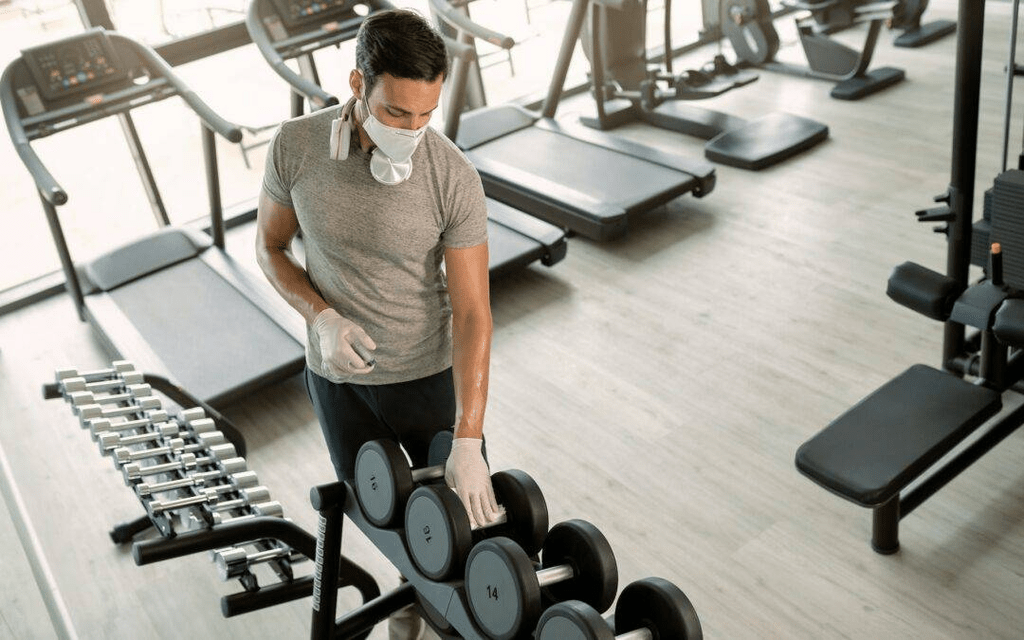
Workout equipment deserves particular attention because it comes into direct contact with members and is often used continuously throughout the day. Machines with handles, padded surfaces, seats, adjustment controls, and touchscreens can collect sweat, oils, dust, and other residue. During gym cleaning, staff should follow appropriate product instructions and manufacturer recommendations so that equipment surfaces are cleaned without causing unnecessary damage. Harsh chemicals or unsuitable cleaning methods may affect upholstery, rubber components, screens, finishes, or electrical parts. Staff should also avoid excessive moisture around electronic equipment and should use suitable materials for different surfaces. Proper care keeps equipment looking better while supporting hygiene and extending the useful life of valuable fitness machines.
Maintaining Floors and Workout Areas
Gym floors can accumulate dust, hair, sweat, dirt, and debris as members move between different workout stations. Areas surrounding free weights may require especially frequent attention because dropped equipment, chalk, and other materials can create additional mess. Regular gym cleaning of floors helps maintain a safer and more attractive workout environment while reducing the accumulation of substances that can become difficult to remove over time. Different flooring materials may require different cleaning methods, so staff should understand the care requirements for rubber flooring, vinyl, tile, carpet, or other surfaces used throughout the facility. Spills should be addressed promptly rather than left until the next scheduled cleaning period. Keeping walkways and exercise zones clean also contributes to an organized atmosphere where members can move comfortably between activities.
Restrooms and Changing Areas
Restrooms, showers, locker rooms, and changing areas require careful attention because they are exposed to moisture and frequent use. These spaces can develop unpleasant odors, soap residue, mineral deposits, and other forms of buildup when they are not maintained properly. A detailed gym cleaning process should include toilets, sinks, faucets, mirrors, floors, shower areas, benches, lockers, and frequently touched fixtures. Moist environments should also be monitored for signs of persistent dampness or conditions that may encourage unwanted growth. Supplies such as soap, paper products, and hygiene materials should be replenished regularly so members do not encounter unnecessary inconvenience. Clean and well-stocked changing facilities can significantly improve the overall impression of a fitness center and demonstrate that member comfort is taken seriously.
Managing Odors Effectively
Unpleasant odors are one of the fastest ways to make a fitness facility feel neglected, even when the visible surfaces appear relatively clean. Sweat, damp towels, workout clothing, shoes, trash, and poorly ventilated areas can all contribute to persistent smells. Effective gym cleaning should focus on removing the source of odors instead of simply covering them with strong fragrances. Waste bins should be emptied regularly, damp materials should not be left sitting for extended periods, and ventilation systems should be maintained according to appropriate schedules. Cleaning fabrics, mats, upholstery, and other odor-retaining materials can also make a noticeable difference. A fresh environment feels more inviting and allows members to concentrate on their workouts rather than noticing unpleasant smells around them.
Cleaning High-Touch Surfaces
High-touch surfaces deserve frequent attention because many people interact with them throughout the day. Door handles, light switches, counters, payment terminals, water fountains, machine controls, stair rails, and shared accessories may all be touched repeatedly. A strong gym cleaning program identifies these surfaces and establishes an appropriate cleaning frequency based on usage. During especially busy periods, staff may need to inspect and refresh high-contact areas more frequently. Visible dirt should be removed promptly, while suitable cleaning products should be used according to their instructions. Combining regular surface care with good member hygiene practices creates a stronger overall approach to maintaining a clean fitness environment.
Supporting Good Hygiene Habits Among Members
Professional staff cannot maintain a gym alone because members also play an important role in keeping shared spaces clean. Facilities can encourage responsible behavior by providing clearly visible cleaning supplies and simple instructions for wiping equipment after use. Signage can remind members to place used towels in designated containers, return equipment to its proper location, and dispose of waste correctly. Staff can reinforce these habits through friendly communication rather than relying only on strict rules. When members understand that cleanliness protects the comfort and experience of everyone, they are more likely to cooperate. Building a shared culture of cleanliness makes professional maintenance more effective and helps keep the facility presentable between scheduled service periods.
Choosing Appropriate Cleaning Products
Not every cleaning product is suitable for every surface found inside a fitness facility. Equipment manufacturers may provide specific recommendations regarding disinfectants, detergents, wipes, and other maintenance products. Using the wrong product can damage finishes, cause discoloration, weaken materials, or create unnecessary residue. Staff responsible for gym cleaning should understand product labels, dilution requirements, contact times, storage instructions, and appropriate applications. Cleaning supplies should also be stored safely and clearly identified to prevent accidental misuse. Selecting suitable products allows the facility to balance hygiene, equipment protection, staff safety, and long-term maintenance costs.
Training Staff for Better Results
Even the best cleaning schedule will not deliver consistent results if staff members are not properly trained. Employees should understand which areas require daily attention, which surfaces need specialized care, and how cleaning products should be handled. Training should also cover safe work practices, proper use of protective equipment when required, and procedures for reporting damaged equipment or maintenance concerns. A strong gym cleaning training program gives employees clear expectations and reduces variation between different shifts. Supervisors can use checklists and inspections to identify areas that need improvement without creating unnecessary confusion for staff. Regular refresher training is useful because procedures, products, equipment, and facility layouts can change over time.
Deep Cleaning and Preventive Maintenance
Routine cleaning keeps a facility presentable, but periodic deep cleaning is equally important for areas that are difficult to reach during everyday maintenance. Under equipment, behind machines, inside storage spaces, along wall edges, and around ventilation points, dirt can accumulate unnoticed. Scheduled deep cleaning allows staff to address these hidden areas before buildup becomes difficult to manage. Preventive maintenance should be considered alongside cleaning because damaged flooring, leaking fixtures, broken seals, or malfunctioning ventilation can create additional hygiene concerns. A comprehensive gym cleaning plan should therefore work alongside the facility’s maintenance program rather than operating separately. Identifying small problems early can reduce larger repair costs and help preserve a healthier environment.
The Role of Ventilation and Air Quality
Air circulation is another important part of maintaining a comfortable fitness environment. Gyms can become warm and humid because of intense physical activity, crowded workout areas, showers, and changing rooms. Proper ventilation helps move stale air, manage humidity, and improve overall comfort, while poorly maintained ventilation systems can allow dust and other particles to accumulate. Cleaning vents and accessible air-return areas should form part of an appropriate maintenance schedule, while technical systems should be serviced by qualified professionals when necessary. Air quality also affects how fresh the facility feels, meaning cleaning and ventilation should be considered complementary rather than separate concerns. A balanced approach helps create a more pleasant atmosphere for members and staff throughout the day.
Creating a Professional Member Experience
Cleanliness influences how people perceive the quality of a fitness facility from the moment they arrive. A tidy reception desk, polished mirrors, organized equipment, fresh-smelling changing areas, and clean floors can communicate attention to detail without requiring any verbal explanation. Consistent gym cleaning can therefore become an important part of the customer experience rather than simply an operational task performed behind the scenes. Members are more likely to appreciate a facility when they can see that staff are actively maintaining the environment. This attention can contribute to positive reviews, stronger member satisfaction, and greater confidence in the services being offered. In a competitive fitness industry, small details related to cleanliness can make a meaningful difference in how people remember a facility.
Building a Practical Cleaning Checklist
A written checklist can make daily operations easier by giving staff a clear sequence of tasks to follow. The checklist may include workout equipment, floors, mirrors, high-touch surfaces, restrooms, changing areas, trash containers, reception spaces, and other facility-specific areas. Managers can divide responsibilities by shift so that cleaning continues throughout the operating day instead of being concentrated in a single period. The checklist should also include space for staff initials, completion times, or notes when appropriate. Reviewing completed checklists allows managers to identify recurring problems and adjust schedules according to actual usage patterns. With a practical system in place, gym cleaning becomes a measurable routine rather than an inconsistent task that depends on memory.
Final Thoughts
Maintaining a clean fitness facility requires consistency, planning, staff cooperation, suitable products, and attention to the areas members use most frequently. From workout machines and floors to restrooms, lockers, shared surfaces, and ventilation points, every part of the facility contributes to the overall experience. Effective gym cleaning protects the appearance of the property, supports equipment maintenance, improves comfort, and demonstrates a commitment to member satisfaction. The strongest results come from combining routine cleaning with periodic deep cleaning, preventive maintenance, staff training, and responsible member habits. When cleanliness is treated as an essential part of daily operations, a fitness facility can provide a more welcoming and professional environment for everyone. A thoughtful approach to hygiene ultimately helps create a space where people feel comfortable returning, exercising, and reaching their fitness goals.