A Comprehensive Guide to Preventing Pest Infestations and Protecting Your Home Year-Round
Maintaining a clean, comfortable, and healthy home requires more than regular dusting, vacuuming, and general housekeeping. Unwanted insects and rodents can enter properties through extremely small openings, find hidden sources of food and water, and establish nests in areas that are rarely inspected. Once pests become established, they can contaminate food, damage materials, create unpleasant odors, and make living spaces uncomfortable. Some infestations develop gradually, which means homeowners may not notice a serious problem until pest activity becomes widespread. A proactive prevention strategy can make a significant difference by reducing food sources, eliminating moisture problems, sealing entry points, and maintaining the surrounding property. When an infestation becomes difficult to manage, a professional pest control service can provide a structured assessment and recommend appropriate solutions based on the type and extent of the problem.
Understand Why Pests Enter Homes
Pests generally enter homes because they find favorable conditions that provide food, water, shelter, or opportunities to reproduce. Even a property that appears clean can contain small openings or hidden moisture sources that attract insects and rodents. Cracks around foundations, gaps beneath doors, damaged window screens, openings around pipes, vents, utility lines, and roof penetrations can all provide potential entry routes. Food crumbs, overflowing garbage, standing water, pet food, and clutter can further encourage pest activity once pests gain access. Understanding these factors is the foundation of effective prevention because simply removing visible pests may not address the conditions that attracted them in the first place. Homeowners should regularly evaluate both the interior and exterior of the property to identify conditions that could make the environment more attractive to unwanted pests.
Keep Food Stored Securely
Food availability is one of the most common reasons pests remain inside a home after entering. Crumbs, spills, uncovered leftovers, open food packages, and improperly stored dry goods can attract ants, cockroaches, rodents, flies, and other pests. Food should be kept in tightly sealed containers whenever possible, especially products such as cereals, flour, sugar, grains, pet food, and snacks. Kitchen counters and dining areas should be cleaned regularly, while crumbs should not be allowed to accumulate beneath appliances or furniture. Perishable foods should be stored appropriately, and garbage containing food waste should be removed regularly. Pet food should also be stored securely rather than left exposed for extended periods. Reducing accessible food sources makes the property less attractive to pests and supports other preventive measures designed to keep infestations from developing.
Control Moisture Throughout the Property
Water and excessive moisture can create ideal conditions for many types of pests. Leaking pipes, dripping faucets, damaged plumbing connections, clogged drains, condensation, and damp storage areas may all contribute to pest activity. Homeowners should inspect areas beneath sinks, around appliances, inside bathrooms, near water heaters, and in basements or other potentially damp spaces. Plumbing leaks should be repaired promptly, while standing water should be removed whenever it is discovered. Proper ventilation can also help reduce excessive humidity in areas where moisture tends to accumulate. Exterior drainage should be maintained so that rainwater does not collect against the building or around its foundation. By controlling moisture, homeowners can make their properties less favorable to pests while also reducing the risk of mold growth and moisture-related structural damage.
Seal Cracks and Potential Entry Points
Preventing pests from entering is generally easier than dealing with an established infestation. A careful inspection of the building’s exterior can reveal cracks, holes, gaps, and other openings that pests could use as access points. Areas around windows, doors, foundations, vents, plumbing pipes, electrical connections, utility lines, and roof structures deserve particular attention. Damaged screens should be repaired, worn weather stripping should be replaced, and appropriate materials should be used to seal smaller openings. Rodents can squeeze through surprisingly small gaps, while many insects can enter through even narrower spaces. Homeowners should also check garage doors and other large openings because poorly sealed entrances can provide easy access. Regular exclusion work can create a stronger physical barrier and significantly reduce opportunities for pests to enter the property.
Maintain Clean and Organized Interior Spaces
Good housekeeping can help reduce the resources pests need to survive. Kitchens should be cleaned frequently, especially around cooking appliances, cabinets, sinks, and areas where food is prepared. Floors should be swept or vacuumed regularly to remove crumbs and food particles, while spills should be cleaned promptly. Bathrooms should also be maintained to prevent excessive moisture and organic buildup. Storage areas deserve attention because piles of cardboard, paper, clothing, and other clutter can provide hiding places for insects and rodents. Boxes should be stored neatly and inspected periodically, particularly when they have been kept for long periods. A clean and organized environment does not guarantee that pests will never appear, but it reduces potential food and shelter sources and makes unusual signs easier to identify before an infestation becomes extensive.
Watch for Early Warning Signs
Recognizing the first signs of pest activity can help homeowners respond before a small problem becomes a major infestation. Warning signs vary depending on the species, but common indicators may include droppings, gnaw marks, damaged packaging, insect skins, nests, unusual odors, grease marks, dead insects, or repeated sightings of live pests. Scratching or movement sounds inside walls, ceilings, attics, or other concealed spaces may also indicate rodent activity. Homeowners should take repeated signs seriously rather than assuming that occasional sightings are harmless. Some pests reproduce quickly and can establish large populations before their presence becomes obvious. If activity continues or the source cannot be identified, a pest control service can help determine what type of pest is involved and identify conditions that may be supporting the infestation. Early assessment can make treatment more manageable and reduce the possibility of extensive property damage.
Keep Outdoor Areas Well Maintained
The conditions surrounding a home can influence the likelihood of pest activity indoors. Overgrown vegetation, piles of leaves, standing water, woodpiles, accumulated debris, and poorly maintained waste areas can provide food or shelter for insects and rodents. Vegetation should be trimmed so that branches and dense growth do not create convenient pathways toward the building. Firewood and other stored materials should be kept appropriately away from exterior walls when practical and inspected for signs of pest activity. Standing water should be eliminated because it can attract insects and create breeding conditions. Outdoor storage areas should also be organized and inspected periodically. Maintaining a clean and controlled exterior environment can reduce pest pressure around the property and make it more difficult for unwanted insects and rodents to move indoors.
Manage Garbage and Recycling Properly
Household waste can become a significant source of food for pests when it is not stored or disposed of correctly. Garbage containers should have secure lids and should be cleaned periodically to remove food residue and odors. Food waste should not be allowed to accumulate unnecessarily, especially during warm weather. Recycling containers can also retain traces of beverages and food, so appropriate items should be rinsed before being placed into recycling when practical. Outdoor waste storage areas should be kept clean, and spills should be removed promptly. Proper garbage management can reduce odors and eliminate readily available food sources. These simple practices are particularly useful when combined with sealing entry points and maintaining clean indoor spaces because they address several common factors that contribute to pest activity.
Address Small Pest Problems Promptly
It can be tempting to ignore a small pest problem when only a few insects or occasional signs are visible. However, limited activity does not always mean that the infestation itself is small. Many pests hide during daylight hours, live inside walls or other concealed spaces, or establish nests that are difficult to locate without specialized inspection. A few sightings may therefore be evidence of a larger population nearby. Waiting for the problem to become obvious can give pests additional time to reproduce and spread. Homeowners should investigate recurring sightings, unexplained damage, droppings, unusual odors, or other warning signs rather than relying on temporary solutions. Prompt evaluation and corrective action can reduce the potential for widespread infestation and may prevent more complicated treatment from becoming necessary.
Choose Treatment Methods Carefully
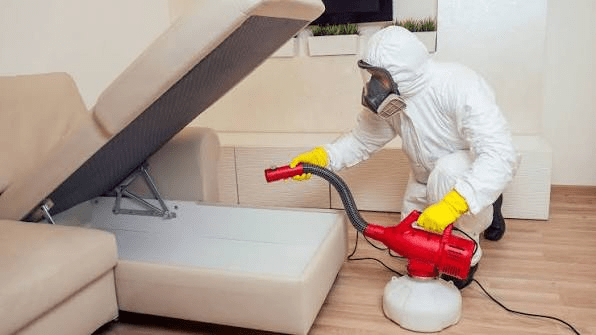
Effective pest management begins with identifying the pest and understanding why it is present. Different insects and rodents require different approaches, and using an inappropriate product or method may provide limited results while leaving the underlying problem unresolved. Homeowners should always follow product labels and avoid combining pest-control chemicals unless specifically instructed to do so. Treatment should focus on the affected areas and should be carried out according to appropriate safety instructions. Depending on the circumstances, professional management may involve traps, exclusion work, monitoring devices, targeted applications, sanitation improvements, or other measures. A targeted approach is generally more effective than applying products randomly throughout a property. Proper identification and careful treatment planning can improve results while reducing unnecessary use of pest-control products.
Consider Integrated Pest Prevention
Long-term pest prevention is often most effective when several strategies are combined. Instead of relying entirely on chemical treatment, homeowners can reduce pest activity by controlling food and water sources, sealing entry points, improving sanitation, managing outdoor conditions, and monitoring areas where pests are likely to appear. This integrated approach addresses the factors that allow pests to survive and reproduce. Monitoring can also help determine whether preventive measures are working and whether additional intervention is necessary. For recurring problems, identifying and correcting the underlying cause is particularly important because repeatedly treating visible pests without addressing access or shelter can result in continued activity. A comprehensive approach can provide more sustainable protection and help homeowners maintain a healthier and more comfortable living environment.
Protect Children and Pets During Treatment
Safety should always be considered when pest-control products are used inside or around a home. Children and pets may be more sensitive to certain substances, so homeowners should carefully follow all product instructions and professional recommendations. Food, dishes, toys, pet bowls, and other household items may need to be protected or removed depending on the treatment method. Residents may also need to remain outside treated areas for a specified period when required by the product instructions or treatment plan. Professional technicians can explain preparation and safety procedures before treatment begins. Homeowners should communicate any relevant concerns so that appropriate precautions can be taken. Responsible pest management should focus not only on eliminating pests but also on protecting the health and safety of the people and animals who occupy the property.
Schedule Regular Inspections
Regular inspections can help identify developing pest problems before they become difficult to manage. Even when no obvious infestation is present, an inspection may reveal cracks, moisture sources, damaged screens, nesting opportunities, or other conditions that could encourage future activity. The appropriate inspection schedule depends on factors such as the age and condition of the property, previous pest history, construction features, environmental conditions, and maintenance practices. Properties with recurring pest problems may benefit from more frequent monitoring. Inspections can also help homeowners understand whether previous preventive measures are working effectively. A pest control service may be useful when professional knowledge is needed to identify hidden activity or determine why pests continue returning. Consistent monitoring supports a proactive approach and can reduce the likelihood of unpleasant surprises.
Maintain the Structure
The physical condition of a property can have a direct effect on pest prevention. Cracks in foundations, deteriorated siding, damaged roofing materials, broken window screens, gaps around doors, and poorly sealed utility openings can all create opportunities for pests to enter. Homeowners should treat these issues as part of regular property maintenance rather than waiting until insects or rodents become visible. Plumbing and drainage systems should also be maintained because leaks and standing water can encourage pest activity. Storage areas should remain organized, while unnecessary clutter should be removed whenever possible. Regular structural maintenance creates fewer opportunities for pests to enter, hide, and reproduce. It also makes the property easier to inspect because potential problem areas are less likely to be concealed by damage or accumulated materials.
Work With Qualified Pest Professionals
Some pest problems can be controlled through improved sanitation and exclusion, but professional assistance may be appropriate when an infestation is persistent, widespread, difficult to identify, or associated with potential property damage. Experienced technicians can identify pest species, locate likely nesting or entry areas, evaluate contributing conditions, and recommend suitable treatment methods. They can also provide guidance on prevention and monitoring after the immediate problem has been addressed. When selecting a professional, homeowners should consider experience, communication, treatment practices, safety procedures, and the ability to explain the proposed approach clearly. A reputable pest control service should focus on identifying the cause of the problem and developing an appropriate plan rather than relying on unnecessary or excessive treatments. Professional guidance can be especially valuable when recurring infestations suggest that an underlying issue has not yet been resolved.
Develop a Long-Term Prevention Strategy
Effective pest management does not end when visible insects or rodents disappear. Long-term prevention requires homeowners to continue maintaining the conditions that make the property less attractive to pests. Food should remain properly stored, moisture should be controlled, garbage should be managed, and entry points should be inspected regularly. Outdoor vegetation and storage areas should also be maintained so they do not provide excessive shelter near the building. Homeowners can keep records of previous pest activity, repairs, inspections, and treatments to identify recurring patterns. These records can be useful when determining whether a particular area continues to experience problems or whether structural improvements are needed. Consistent prevention reduces dependence on emergency treatment and helps protect the property throughout the year.
Final Thoughts
Preventing pest infestations requires a combination of good housekeeping, structural maintenance, moisture control, proper food storage, waste management, outdoor maintenance, and early detection. Homeowners should pay attention to small warning signs and address potential entry points before pests have an opportunity to establish themselves. When professional assistance is necessary, selecting a qualified pest control service can help identify the source of the problem and develop an appropriate treatment and prevention strategy. The most effective approach is not simply to eliminate visible pests but to remove the conditions that allow them to enter, survive, and reproduce. By maintaining the property consistently and responding to potential problems promptly, homeowners can create a cleaner, healthier, and more comfortable environment while reducing the risk of recurring pest infestations.