Everything You Need to Know About Well Pump Repair and Long-Term Pump Maintenance
Understanding the Importance of a Reliable Well Pump
A reliable water supply is essential for everyday household activities, and the well pump plays a central role in delivering water from an underground source to the property. When a pump works properly, water can move through the plumbing system at the pressure needed for showers, sinks, appliances, toilets, and other uses. When the pump begins to malfunction, homeowners may notice weak water pressure, unusual noises, frequent cycling, or a complete loss of water. Well pump repair can address many of these problems when they are identified early and evaluated correctly. Ignoring warning signs may allow a minor mechanical or electrical issue to become more complicated and expensive. Understanding how a well pump works can help property owners recognize potential problems before they significantly affect daily routines. Regular attention can also support better equipment performance and help extend the useful life of the pumping system. A properly maintained pump is an important part of maintaining a dependable private water system.
How a Well Pump System Works
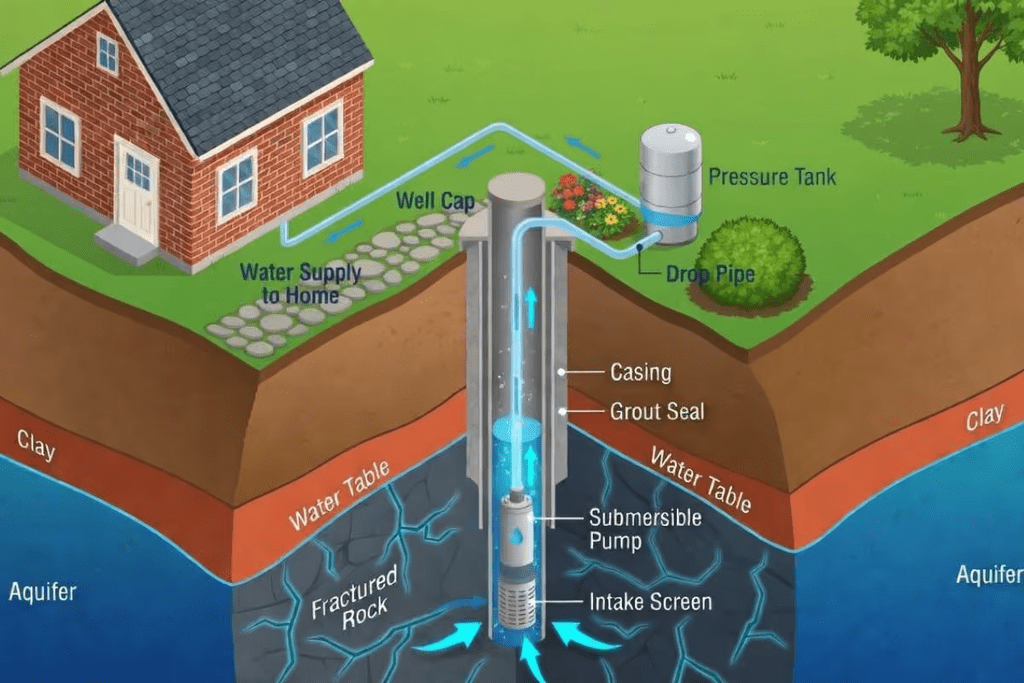
A well water system generally includes several components that work together to move and pressurize water for household use. Depending on the system design, the pump may be located above ground or installed inside the well below the water level. The pump draws water from the well and moves it toward a pressure tank and the property’s plumbing network. The pressure tank helps maintain consistent water pressure and reduces the need for the pump to start every time a faucet is opened. Electrical controls, pressure switches, pipes, valves, and other components also contribute to proper operation. Well pump repair may involve any of these related components because a problem that appears to be a pump failure can sometimes originate elsewhere in the system. Understanding the complete setup helps technicians diagnose problems more accurately instead of replacing parts unnecessarily. Proper diagnosis is therefore an important first step whenever a well water system begins behaving differently.
Common Signs of Pump Problems
Several warning signs can indicate that a well pump or a related component needs professional attention. One of the most obvious signs is a sudden loss of water pressure, especially when multiple fixtures are being used. Homeowners may also hear humming, clicking, grinding, rattling, or other unusual sounds when the system operates. Frequent pump cycling, where the pump repeatedly turns on and off within short periods, can also indicate a pressure tank, switch, or plumbing problem. Cloudy or inconsistent water flow may sometimes accompany mechanical issues, although water quality concerns can have other causes as well. Well pump repair may become necessary when these symptoms persist or worsen instead of resolving naturally. Electrical problems can also cause intermittent operation, making the pump appear functional at one moment and inactive at another. Recognizing these signs early can help reduce the likelihood of extended water interruptions and more significant equipment damage.
Causes of Low Water Pressure
Low water pressure is one of the most common complaints associated with private well systems, but it does not always mean that the pump itself has failed. A clogged filter, blocked pipe, damaged pressure switch, inadequate tank pressure, or plumbing restriction can produce similar symptoms. In some cases, the pump may be operating correctly but unable to deliver water because of another restriction within the system. Changes in the underground water level can also influence how effectively a pump supplies water. Well pump repair should therefore begin with a complete evaluation rather than immediately replacing the pump. A qualified technician can inspect pressure readings, electrical connections, tank operation, valves, and other components to determine the actual source of the problem. Identifying the underlying cause helps prevent unnecessary repairs and ensures that the appropriate component receives attention. Proper diagnosis is especially important when low pressure occurs intermittently rather than continuously.
Electrical Problems and Pump Failure
Electrical issues can cause a well pump to stop working even when the mechanical components are still in good condition. Problems may involve a circuit breaker, wiring, pressure switch, control box, capacitor, or another electrical component depending on the type of pump system. A pump that repeatedly trips a breaker should not simply be reset without determining why the electrical protection is activating. Continued electrical faults can create equipment damage and potentially dangerous conditions. Well pump repair involving electrical components should be performed by qualified professionals who understand the equipment and appropriate safety procedures. Homeowners should avoid opening electrical control boxes or attempting unfamiliar wiring work without proper training. A professional inspection can help determine whether the problem originates in the pump motor, control system, wiring, or another part of the water system. Addressing electrical problems correctly can restore dependable operation while reducing the chance of repeated failures.
Pressure Tank Problems
The pressure tank is another important part of many well water systems and can influence how frequently the pump operates. Its purpose is to store pressurized water and reduce the number of times the pump needs to start during normal household use. If the tank loses its proper air charge or develops a damaged internal bladder, the pump may begin cycling too frequently. Frequent cycling can place additional stress on the motor and electrical components, potentially shortening the life of the pump. Well pump repair may therefore include checking the pressure tank even when the pump itself appears to be the main source of the problem. A technician can evaluate pressure readings and determine whether the tank is operating within the appropriate range for the system. Correcting tank problems can sometimes resolve pressure issues without requiring complete pump replacement. Regular inspection of the tank and pressure controls can also help identify developing problems before they affect the entire water supply.
Mechanical Wear and Aging Components
Like other mechanical equipment, well pumps can experience wear as they operate over many years. Bearings, seals, impellers, motors, valves, and other components can gradually deteriorate depending on operating conditions and system design. A pump that has been running for a long time may eventually become less efficient or require more frequent attention. Mineral deposits and sediment can also affect certain components, particularly when water conditions contribute to buildup. Well pump repair may restore performance when individual components can be repaired or replaced without replacing the entire unit. However, the age and overall condition of the equipment should be considered before deciding whether a repair is practical. Repeated repairs on an aging pump may eventually cost more than investing in a modern replacement. A professional assessment can help property owners compare the expected benefits and costs of repair versus replacement.
Importance of Professional Diagnosis
Accurately diagnosing a pump problem requires more than simply listening for unusual sounds or observing low water pressure. Several different issues can produce similar symptoms, making it difficult for an inexperienced person to identify the actual cause. A technician can evaluate electrical readings, pressure levels, tank performance, pump operation, plumbing connections, and other system components. Well pump repair is more effective when the underlying problem is identified before parts are removed or replaced. Professional diagnosis can also reduce unnecessary expenses because replacing a functioning pump will not solve a problem caused by a faulty pressure switch or blocked line. A systematic inspection provides a clearer understanding of the system’s condition and helps determine the most appropriate solution. It also allows the technician to identify related problems that could cause another failure soon after the initial repair. This comprehensive approach can improve reliability and reduce repeated service calls.
Preventive Pump Maintenance
Preventive maintenance can help homeowners identify developing problems before they become major failures. Regular inspections can include checking pressure readings, electrical connections, tank performance, visible plumbing components, and other accessible parts of the system. Keeping the area around equipment clean and dry can also make it easier to notice leaks or unusual conditions. Well pump repair is often less complicated when small issues are addressed before they cause extensive equipment damage. Homeowners should also pay attention to changes in water pressure, pump cycling, unusual noises, and other signs that the system is operating differently. Professional maintenance can provide a more detailed assessment of components that are not easily inspected by the average homeowner. Maintaining records of previous service and equipment age can also help with future troubleshooting. Preventive care is generally a practical way to support reliable operation and potentially extend equipment life.
Protecting the Pump From Damage
Several operating conditions can place additional stress on a well pump and reduce its service life. Frequent short cycling, electrical fluctuations, restricted water flow, sediment, and improper pressure settings can all contribute to premature wear. A pump that runs continuously may also be experiencing an underlying problem that should be investigated rather than ignored. Well pump repair can address conditions that cause excessive strain, but prevention is often preferable when possible. Proper system settings and appropriate maintenance can help the pump operate within its intended range. Homeowners should also avoid ignoring unusual sounds or sudden changes in water pressure because these may indicate developing mechanical or electrical problems. Protecting the pump involves maintaining the entire water system rather than focusing only on the pump motor. A properly functioning pressure tank, controls, pipes, and electrical system can all contribute to efficient pump operation.
When Repair May Be Better Than Replacement
Not every pump problem requires complete equipment replacement. Some issues can be resolved by repairing or replacing individual components such as switches, wiring, valves, controls, or certain mechanical parts. The decision depends on the pump’s age, condition, performance history, repair cost, and availability of replacement components. Well pump repair may be a practical choice when the main equipment remains structurally sound and the problem is isolated to a replaceable part. On the other hand, an older pump with repeated failures may no longer be economical to maintain. Continuing to repair a severely worn system can result in recurring service costs and unexpected water interruptions. A professional can compare the condition of the existing system with the expected performance of a replacement unit. Making the decision based on long-term value rather than immediate cost can help property owners choose a more practical solution.
Benefits of Timely Pump Service
Addressing pump problems promptly can provide several benefits for homeowners. Early service may prevent minor mechanical or electrical problems from causing damage to other components of the system. Well pump repair can also restore normal water pressure and reduce interruptions that affect showers, laundry, cooking, cleaning, and other daily activities. Prompt attention can be particularly valuable when warning signs appear repeatedly instead of occurring only once. Delaying service may allow components to continue operating under abnormal conditions, increasing wear and potentially making the eventual repair more complicated. Timely maintenance also gives technicians a better opportunity to identify the original cause of the problem before additional failures develop. Keeping the system in good condition can support more predictable performance and reduce the stress associated with unexpected water outages. Regular attention is therefore an important part of responsible private water system ownership.
Understanding Water Quality Concerns
Although pump performance and water quality are separate issues, changes in water appearance can sometimes occur alongside problems within a private water system. Sediment, discoloration, unusual odors, or changes in taste should not automatically be blamed on the pump because they may have other causes. Well pump repair focuses primarily on mechanical, electrical, pressure, and related system problems, while water quality concerns may require separate testing and investigation. If water suddenly changes after maintenance or equipment problems, homeowners should document the change and seek appropriate professional advice. Filters, pipes, well conditions, and other components may influence the water reaching household fixtures. Regular water testing can also provide useful information about the condition of a private water supply. Understanding the distinction between pump performance and water quality helps ensure that each concern receives the appropriate type of evaluation.
Long-Term Maintenance Planning
A long-term maintenance plan can help homeowners manage their well system more effectively and avoid unexpected problems. Important information may include the pump’s installation date, previous service history, pressure settings, tank information, and records of repairs or replacements. Well pump repair can become easier to plan when technicians have access to accurate information about the system’s history. Property owners should also pay attention to recurring symptoms and record when they occur, especially if problems are intermittent. This information can help identify patterns that may not be obvious during a short inspection. Regular professional checks can supplement homeowner observations and provide a more complete picture of equipment condition. Planning ahead can also make it easier to budget for eventual replacement when a pump reaches the end of its expected service life. Good records and preventive maintenance support better decisions and can contribute to more reliable water service.
Final Thoughts on Well Pump Maintenance
A dependable well pump is an important part of a private water system, and maintaining it properly can support consistent water pressure and reliable household service. Warning signs such as low pressure, unusual noises, frequent cycling, electrical interruptions, and inconsistent operation should be taken seriously rather than ignored. Well pump repair can resolve many problems when the underlying cause is accurately identified and addressed with appropriate methods. Regular maintenance can also help protect the pump, pressure tank, electrical controls, plumbing connections, and other components from unnecessary wear. Professional diagnosis is particularly important when the problem involves electrical systems, deep-well equipment, or components that are difficult to access safely. Property owners can improve long-term reliability by responding promptly to warning signs, keeping service records, and scheduling appropriate inspections. With proper care and timely attention, a well water system can continue providing dependable service while reducing the likelihood of unexpected and costly failures