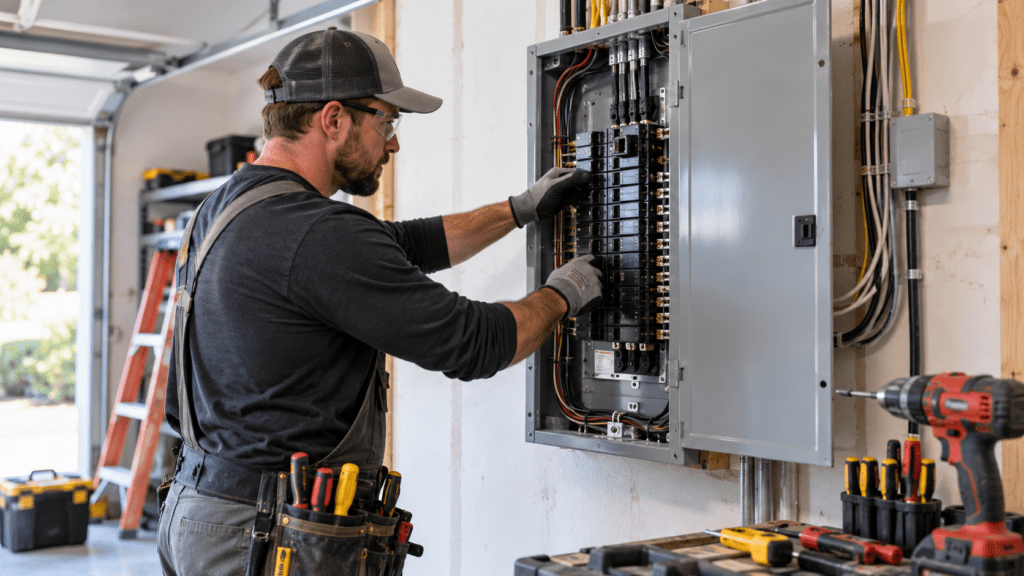
A Detailed Guide to Panel Changeouts, Electrical Capacity, Replacement Planning, Installation, Testing, and Maintenance
An electrical panel is a central part of any property’s electrical distribution system. It receives incoming power and divides it into individual circuits that supply lighting, outlets, appliances, heating and cooling equipment, and other electrical loads. As a building becomes older or its electrical needs increase, the original panel may no longer provide enough capacity, space, or reliable performance. Signs such as frequent breaker trips, visible damage, corrosion, unusual sounds, excessive heat, or limited breaker spaces can indicate that the system needs professional attention. A properly planned replacement can improve circuit organization and provide better flexibility for future electrical needs. Because electrical panel work involves serious safety risks, evaluation and installation should always be handled by a qualified electrical professional.
Understanding Electrical Panel Capacity
Electrical capacity refers to the amount of power an electrical system can safely provide to connected circuits and equipment. The panel is an important part of that system, but its capacity is also connected to the incoming electrical service, conductors, breakers, and other components. Adding a larger panel does not automatically increase the amount of electricity available to a property. A proper assessment considers existing electrical loads and potential future requirements before replacement equipment is selected. This helps prevent situations where a new panel has plenty of physical breaker spaces but the overall service cannot support additional demand. Understanding capacity is therefore one of the first steps toward making a practical and safe electrical upgrade.
Signs That Replacement May Be Necessary
Several conditions can indicate that an electrical panel should be professionally inspected. Repeated breaker trips may suggest overloaded circuits, faulty equipment, wiring problems, or other electrical concerns. Burning odors, unusual buzzing, visible corrosion, damaged breakers, discoloration, or excessive warmth around the panel should also receive prompt attention. Another common issue is a lack of available breaker spaces when new circuits are required for appliances, remodeling, or other improvements. Older panels may also have outdated components or limitations that make them unsuitable for modern electrical demands. These signs do not automatically mean that complete replacement is required, so a qualified electrician should inspect the system and determine whether repair, modification, or replacement is appropriate.
Planning Before Replacement
Good planning can make an electrical panel project safer and more efficient. Before work begins, the existing panel should be inspected to determine its condition, service capacity, circuit arrangement, and compatibility with the electrical system. Future electrical needs should also be discussed, particularly if the property may receive new appliances, heating and cooling equipment, workshops, or other high-demand devices. Planning for realistic future requirements can prevent the replacement equipment from becoming inadequate soon after installation. The location of the panel, available working space, accessibility, and condition of connected wiring should also be considered. A complete assessment gives the electrician the information needed to recommend equipment that fits both present and anticipated requirements.
Load Evaluation and Electrical Demand
Electrical load evaluation is an important part of replacement planning because modern properties can have many electrical devices operating at the same time. Appliances, lighting, heating systems, cooling equipment, technology, and other loads can collectively create significant demand. A professional electrician can review the existing circuits and determine whether the current service is capable of supporting expected usage. This assessment can also identify situations where additional electrical capacity may be required beyond simply installing a new panel. Without proper load evaluation, an upgrade could fail to address the underlying limitation. Accurate planning helps ensure that the electrical system is appropriately sized for its intended use while maintaining safe and dependable operation.
Choosing the Right Equipment
The replacement panel should be selected based on service capacity, circuit requirements, available spaces, equipment compatibility, and future electrical needs. A panel with additional breaker spaces can provide useful flexibility, but it should still match the capabilities of the overall electrical service. The quality of the equipment is also important because the panel is expected to remain in operation for many years. Properly selected components should be compatible with the breakers, conductors, grounding system, and other parts of the electrical installation. Choosing equipment only because it is inexpensive can create limitations later. A balanced decision should consider reliability, capacity, durability, compatibility, maintenance, and long-term value rather than focusing solely on initial cost.
Preparing for Panel Changeouts
Before Panel changeouts begin, the electrician should document the existing circuit arrangement and identify any conditions that could affect the project. Circuit labeling is especially helpful because it allows each breaker to be matched with the area or equipment it supplies. The condition of branch wiring should also be checked because damaged or deteriorated conductors may need repair during the replacement. The work area should remain accessible and free from unnecessary obstructions. Property owners should also be prepared for a temporary interruption of electrical service while the work is completed. Careful preparation helps reduce delays, improves organization, and gives the electrician a clearer understanding of the system before the old equipment is removed.
Electrical Safety During Installation
Electrical panel replacement can expose workers to dangerous electrical energy, which makes proper safety procedures essential. Turning off individual circuit breakers does not necessarily remove all electrical hazards from the equipment. Qualified electricians use appropriate procedures, protective equipment, and testing methods to verify electrical conditions before performing work. They also consider grounding, bonding, conductor identification, breaker compatibility, enclosure requirements, and other safety factors. Incorrect connections or careless handling can result in serious injury, electrical fires, equipment damage, or system failure. For these reasons, panel replacement should not be treated as a basic do-it-yourself project. Professional training and appropriate safety practices are essential when working with electrical distribution equipment.
Improving Circuit Organization
Replacing an electrical panel provides an opportunity to improve the organization of the entire circuit directory. Accurate labels make it easier to identify which breaker controls specific rooms, outlets, appliances, or other electrical loads. This can save time during future maintenance and make it easier to shut off the appropriate circuit during an emergency or repair. Old labels may be inaccurate because circuits can change after years of modifications. Each circuit should therefore be identified and documented as part of the replacement process. A clear and updated panel directory is a simple improvement that can provide long-term practical value. Good organization also helps future electricians understand the system more quickly when additional work is required.
Inspecting Existing Wiring
Installing a new panel does not automatically correct problems with the wiring connected to it. During the replacement, an electrician may discover damaged insulation, loose connections, deteriorated conductors, improper modifications, or other issues. These conditions should be evaluated and corrected where necessary rather than hidden behind the new equipment. The quality of the connected wiring can directly affect the performance and safety of the electrical system. Property owners should understand that additional repairs may sometimes be necessary when an older installation has experienced years of wear or previous modifications. Addressing related problems during the project can reduce the likelihood of future electrical faults and create a more reliable overall system.
Supporting Future Electrical Needs
Electrical demand can change significantly over the life of a property. New appliances, remodeling projects, heating and cooling systems, specialized equipment, and other additions can increase the number of circuits required. A replacement panel can provide additional physical space for future circuits, provided the overall electrical service has sufficient capacity. Discussing potential future improvements before installation allows the electrician to consider reasonable expansion requirements. This does not mean installing unnecessary equipment, but it can prevent an upgrade from becoming restrictive too quickly. A properly planned system should satisfy current requirements while offering practical flexibility for foreseeable future electrical changes.
Professional Installation Benefits
Professional Panel changeouts involve considerably more than removing an old panel and installing a new enclosure. The electrician must safely disconnect existing circuits, evaluate conductors, select appropriate protective devices, make proper connections, and verify that the completed system functions correctly. Depending on the installation, coordination with the utility or relevant authorities may also be required. Experienced professionals understand the procedures associated with electrical service equipment and can identify problems that may not be obvious to an inexperienced person. Professional installation can also make inspections, documentation, future maintenance, and troubleshooting easier. Most importantly, qualified workmanship reduces the risk associated with improper electrical connections and unsafe installation practices.
Testing After Installation
Testing should be an important part of completing an electrical panel replacement. After installation, the electrician should verify that circuits are correctly connected and that protective devices operate as intended. Connections should be checked carefully, and the panel should be inspected for visible damage, loose components, or other irregularities. Circuit labels should also be confirmed against the final wiring arrangement. Where required, inspections and approvals should be completed before the electrical system is returned to normal operation. Thorough testing helps identify potential problems before they develop into larger issues. It also provides greater confidence that the replacement has been completed according to the intended design and safety requirements.
Maintaining the New Panel
A newly installed electrical panel still requires appropriate maintenance and attention. The area around the panel should remain clear so that it can be accessed safely for inspection, maintenance, or emergency operation. Property owners should watch for warning signs such as unusual odors, buzzing sounds, repeated breaker trips, visible damage, or excessive warmth. Any unusual condition should be evaluated by a qualified electrician rather than ignored. Property owners should also avoid opening the panel or modifying internal components without professional assistance. Regular professional inspections can help identify developing problems and confirm that the electrical system remains in good condition. Simple maintenance practices can contribute significantly to long-term reliability and safety.
Common Mistakes to Avoid
One of the most common mistakes is choosing a replacement panel without evaluating the complete electrical service. Another is assuming that more breaker spaces automatically mean more available electrical capacity. Poor circuit labeling, incompatible components, inadequate planning, and failure to inspect existing wiring can also create problems after installation. Selecting equipment only because it has the lowest purchase price may overlook important differences in durability and compatibility. Another serious mistake is attempting electrical panel work without appropriate training and experience. Electrical service equipment can contain dangerous energy even when individual breakers appear to be switched off. Careful planning and qualified professional work are therefore essential to avoid unnecessary risks and future electrical problems.
Long-Term Benefits of a Proper Upgrade
A properly planned electrical panel replacement can provide several long-term benefits. Improved circuit organization makes maintenance and troubleshooting easier, while additional breaker spaces may provide useful flexibility for future electrical additions. Replacing deteriorated or outdated equipment can also improve the overall condition of the electrical distribution system. Modern equipment may provide better compatibility with contemporary electrical requirements and connected devices. However, the panel is only one part of the complete electrical system. The service, wiring, breakers, grounding, connections, and other components must work together correctly. A complete approach to the upgrade can therefore provide more dependable results than simply replacing the visible equipment without addressing related electrical concerns.
When to Request an Inspection
Property owners should consider arranging a professional inspection when they notice frequent breaker trips, burning smells, unusual noises, excessive heat, corrosion, damaged components, or a lack of available circuit spaces. An inspection can determine whether these conditions are related to the panel or another part of the electrical system. It can also help identify whether replacement is actually necessary. Addressing concerns early can prevent minor electrical problems from becoming more serious. Professional evaluation is especially valuable before adding high-demand equipment or undertaking major remodeling work. Having the electrical system assessed in advance allows improvements to be planned around actual capacity and safety requirements rather than assumptions.
Final Thoughts on Electrical Panel Replacement
Panel changeouts should be approached as carefully planned electrical projects rather than simple equipment swaps. The existing panel, service capacity, electrical load, future requirements, wiring condition, circuit organization, and safety considerations should all be reviewed before work begins. A qualified electrician can evaluate these factors and recommend suitable equipment and installation procedures. Proper preparation, professional installation, accurate labeling, thorough testing, and ongoing maintenance can help create a safer and more dependable electrical distribution system. Property owners should never ignore signs such as repeated breaker trips, burning odors, unusual heat, damaged components, or outdated equipment. With appropriate planning and qualified workmanship, a panel upgrade can provide better organization, useful future flexibility, and reliable electrical performance for years to come.