Designing an Outdoor Space That Feels Like a Natural Extension of Home
An outdoor patio can become one of the most useful areas of a property when it is designed around comfort, convenience, and the way people actually spend time outside. Without overhead protection, however, direct sunlight, heat, and changing weather conditions can limit how frequently the space is used. A thoughtfully designed patio cover can change that by creating a more comfortable environment while also giving the outdoor area a defined architectural identity. It can provide shade over seating and dining areas, create a more inviting setting for entertaining, and offer a practical foundation for features such as outdoor kitchens, lighting, ceiling fans, and entertainment systems. A successful project should not be viewed simply as placing a roof over an existing patio. The structure needs to work with the property’s architecture, available space, drainage, landscaping, and intended outdoor activities. When these factors are carefully considered before construction, the finished cover can become a valuable part of the property that improves both everyday comfort and the overall appearance of the outdoor environment.
Why Covered Patios Are Becoming More Valuable
A patio can provide valuable outdoor space, but its usefulness often depends on how comfortable it remains throughout different times of the day and changing weather conditions. Strong sunlight can make an uncovered patio uncomfortable, while light rain may discourage outdoor meals or gatherings. A cover can provide shade and a degree of shelter, allowing homeowners to make better use of the area without completely separating it from the surrounding landscape. This additional protection can make outdoor furniture, dining arrangements, cooking equipment, and entertainment features more practical. Instead of using the patio only during mild weather, homeowners may be able to enjoy the space during a wider range of conditions. The cover can also establish a more defined outdoor room, creating a comfortable transition between the interior of the home and the open yard.The benefits are not limited to physical comfort. A covered patio can influence the way a property is organized and experienced. When the structure is designed in proportion to the house and surrounding landscape, it can create a visual connection between indoor and outdoor areas. The patio may become a natural place for morning coffee, family meals, weekend gatherings, or quiet relaxation. Because the structure can be customized around the intended use of the space, homeowners have an opportunity to create an outdoor area that reflects their lifestyle rather than simply adding a standard feature. This combination of function and design makes a patio cover an improvement that can serve practical purposes while also contributing to the property’s overall character.
Planning the Structure Around Existing Conditions
Before construction begins, the existing patio and surrounding property should be carefully evaluated. The dimensions of the patio, condition of the surface, location of exterior doors and windows, roofline of the home, nearby landscaping, drainage patterns, and available space can all influence the design. A structure that is appropriately sized for one property may be too large or too small for another, so measurements and site conditions should be considered before a final design is selected. The relationship between the cover and the main building is particularly important because the new structure should look proportional and should not interfere with existing architectural features.The intended use of the patio should also guide the planning process. A simple seating area may require a different configuration from an outdoor kitchen or large entertainment space. Homeowners who plan to install a dining table, grill, television, ceiling fan, or multiple seating arrangements should account for those features before deciding on the dimensions and support locations. Movement through the area should remain comfortable, and important pathways should not become restricted by posts or other structural components. By considering how people will actually use the space, the design can provide enough room for furniture and activities while maintaining a comfortable sense of openness.
Choosing a Design That Complements the Home
A patio cover becomes part of the visible exterior of a property, so its appearance should be considered alongside the existing architecture. Roof shape, support columns, colors, trim, materials, and proportions can all influence how naturally the structure fits with the home. Some homeowners prefer a cover that blends closely with the existing exterior, while others may want a contrasting design that creates a distinctive outdoor feature. Neither approach is automatically better; the most appropriate choice depends on the architecture, surrounding landscape, and personal preferences.Proportion is especially important when choosing a design. A structure that is too large can visually dominate a smaller home or patio, while a structure that is too small may fail to provide sufficient shade or usable space. The roofline should also be considered in relation to nearby windows and doors. A properly planned structure can create visual continuity while still allowing adequate natural light into the home. Colors should be evaluated in outdoor lighting because materials can look different depending on the time of day and surrounding surfaces. Looking at the cover as part of the entire property rather than as an isolated feature can help create a more balanced and attractive result.
Selecting Materials With Durability in Mind
Material selection is an important part of any patio cover project because the structure will remain exposed to outdoor conditions for an extended period. Sunlight, rain, wind, temperature changes, dirt, and moisture can all affect exterior materials over time. Homeowners should consider the expected durability of the material, its maintenance requirements, appearance, and compatibility with the existing property. A material that requires frequent upkeep may not be appropriate for someone seeking a low-maintenance outdoor environment, while another option may offer a particular appearance that better suits the home’s design.The selected material should also work with the structural requirements of the project. Posts, beams, roof components, connectors, and other elements must work together as part of a complete system. Attractive surface finishes cannot compensate for inadequate structural planning or poor installation. For this reason, homeowners should evaluate the entire construction approach rather than focusing exclusively on visible materials. Properly selected and professionally installed components can help support the long-term functionality and appearance of the structure.
Creating Effective Shade and Outdoor Comfort
Shade is one of the primary reasons homeowners choose to install a patio cover, but achieving comfortable shade requires thoughtful design. The amount of sunlight reaching a patio changes throughout the day, and the orientation of the property can influence which areas receive direct exposure. Nearby trees and buildings may also affect sunlight patterns. These factors should be considered when determining the size, height, and position of the structure.A cover should provide meaningful protection without making the patio feel unnecessarily enclosed or dark. Natural light can remain an important part of the outdoor experience, particularly when the patio is located near large windows or doors. The height of the structure can influence both shade and visual openness, while the roof design can affect how the space feels from different viewpoints. By considering sunlight patterns and the desired level of openness before construction, homeowners can create a more comfortable environment that balances shade with natural light.
Preparing the Patio and Surrounding Area
Proper preparation can help prevent complications during installation. The existing patio surface should be evaluated to determine whether it is suitable for supporting the planned structure or whether additional preparation is required. Cracks, uneven areas, settlement, drainage problems, and deterioration may need to be addressed before construction begins. The condition of nearby walls and attachment points should also be considered when the cover will connect to the home.Preparation may involve temporarily moving outdoor furniture, planters, grills, decorations, and other items away from the work area. Landscaping should be considered as well because construction activity may require access around the patio. Protecting existing finished surfaces and plants where possible can help reduce unnecessary disruption. A well-organized preparation process allows installation to proceed more efficiently and gives the installer a clearer understanding of the conditions that must be addressed.
Designing Around Outdoor Kitchens
Outdoor kitchens can turn a covered patio into a highly functional extension of the home. Grills, counters, sinks, storage, refrigerators, and dining areas can be arranged beneath the cover to create a dedicated outdoor cooking environment. Shade can make food preparation more comfortable, while the structure can help define the kitchen and dining area as a cohesive space. The layout should allow enough room for cooking, serving, sitting, and moving between different parts of the patio without creating unnecessary congestion.Planning the patio cover around an outdoor kitchen also means considering future equipment and utilities. Electrical connections, lighting, ventilation requirements, appliance locations, and other features may influence the structure. Homeowners should communicate their plans before construction so the cover can accommodate these needs where appropriate. Even if every feature will not be installed immediately, considering possible future improvements can prevent the structure from becoming a limitation later.
Incorporating Lighting and Ceiling Fans
Outdoor lighting can greatly improve the usefulness of a covered patio after sunset. Fixtures can be positioned over dining areas, seating spaces, cooking areas, and pathways to create practical illumination while also contributing to the atmosphere. Decorative lighting can add visual interest, while more focused fixtures can provide the brightness needed for specific activities. Because electrical components may require planned wiring routes and appropriate support, lighting should be considered during the design stage rather than treated as a last-minute addition.Ceiling fans can also improve comfort by encouraging airflow beneath the covered structure. Their placement should be coordinated with seating and activity areas so air circulation benefits the people using the patio. If fans or lighting are expected to be added later, planning for them during the initial construction can be more efficient than attempting to modify the completed structure. A forward-thinking design can provide greater flexibility and help maintain a clean finished appearance.
Considering Structural Support and Connections
The structural support system is one of the most important aspects of a patio cover because the entire structure depends on properly designed posts, beams, connections, and foundations. These components must be appropriate for the size and configuration of the cover and should be installed according to applicable requirements. The location of support posts should be carefully considered so they provide adequate support without unnecessarily interfering with furniture, walkways, or outdoor activities.Attached covers require additional attention because the structure connects to the existing building. The connection needs to be appropriate for the existing construction, and transitions should be carefully detailed to reduce the potential for water-related problems. A professional evaluation can help determine whether the existing structure is suitable for the planned attachment and identify any areas that may require additional preparation. Paying attention to these details during construction can help provide a stronger and more dependable finished structure.
Managing Rainwater and Drainage
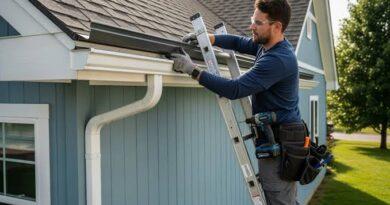
A patio cover changes the way rainwater moves across the property, so drainage should be included in the design from the beginning. Roof slope, gutters, downspouts, surrounding grades, and existing drainage systems can all influence how water is directed away from the patio. If water is allowed to collect near the structure or foundation, it can contribute to moisture-related concerns and may affect surrounding surfaces over time.Downspouts should be positioned to move water toward appropriate drainage areas rather than allowing it to discharge directly beside the foundation or onto heavily used portions of the patio. The existing landscape should also be considered because plants, soil, retaining features, and hardscape can affect water movement. Proper drainage may not be the most visible aspect of the project, but it is an important part of creating a patio cover that performs well over the long term.
Professional Patio Cover Installation
The installation process requires careful coordination between design, materials, structural support, and finishing details. Measurements must be accurate, support components need to be properly positioned, connections should be secure, and the completed structure should remain aligned with the intended design. Professional patio cover installation can help property owners approach these requirements with a structured process while ensuring that the design is adapted to the specific conditions of the property.Professional installation can also be valuable when unexpected conditions are discovered during preparation. Existing construction may contain limitations that are not obvious during an initial visual inspection, and issues involving drainage, patio surfaces, attachment points, or surrounding landscaping may require adjustments. An experienced installer can identify these concerns and recommend appropriate solutions before they become larger problems. Careful installation can also improve the finished appearance by ensuring that lines, supports, roof components, and transitions are handled consistently throughout the project.
Designing for Entertaining and Everyday Use
A covered patio can serve as both a private retreat and a convenient location for entertaining guests. The layout should be based on the activities the homeowner expects to perform most often. Seating can be arranged around conversation areas, while dining furniture can be positioned where people can comfortably eat without obstructing important pathways. Cooking equipment can be located where it is convenient to access but does not interfere with seating or movement.Entertainment features can further expand the usefulness of the space. Televisions, speakers, lighting, outdoor games, and comfortable furniture can make the patio suitable for gatherings and everyday relaxation. The cover can provide a sense of definition while the surrounding landscape remains open and accessible. When the design balances furniture, amenities, and movement, the outdoor area can feel spacious even when it contains several functional features.
Maintaining the Finished Patio Cover
A patio cover should receive reasonable maintenance to preserve its appearance and functionality. The specific maintenance routine will depend on the materials and design, but surfaces should generally be kept free from excessive dirt, leaves, and debris. If the structure includes gutters, they should be checked periodically to ensure that water can move properly. Downspouts should also remain clear so rainfall does not create unnecessary pooling around the patio.Homeowners can also perform periodic visual checks after severe weather. Visible damage, loose components, unusual movement, surface deterioration, or drainage changes should not be ignored. Addressing concerns early may help prevent minor issues from becoming more complicated repairs. Professional evaluation can be considered when the problem involves structural components or when the cause is not obvious. Consistent maintenance can help preserve the appearance of the cover and support its long-term usefulness.
Planning for Future Outdoor Improvements
A patio cover should ideally support the homeowner’s long-term vision for the outdoor space. Outdoor areas often change as families add furniture, cooking equipment, lighting, landscaping, entertainment systems, or additional hardscape features. Designing only around immediate needs may make future improvements more difficult. Thinking ahead during the initial planning stage can create greater flexibility and reduce the likelihood of major modifications later.For example, a homeowner may initially want only shade and seating but later decide to add an outdoor kitchen or entertainment system. If the original design considered these possibilities, the structure may be better prepared to accommodate them. Adequate space, support locations, electrical planning, and access can all contribute to a more adaptable outdoor environment. Designing with future possibilities in mind can make the investment more useful over a longer period.
Connecting the Patio With the Landscape
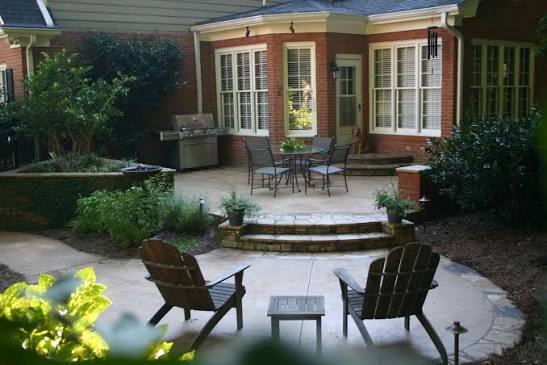
A patio cover can look more natural when it is integrated with the surrounding landscape and hardships. Pavers, walkways, retaining features, plants, fencing, lighting, and outdoor furniture can all influence how the structure fits into the property. Coordinating colors and textures does not necessarily mean everything must match exactly. Instead, complementary materials can create relationships that make the entire outdoor area feel more cohesive.Landscaping can also soften the appearance of structural elements and create a more inviting environment. Plants positioned around the patio can provide additional privacy and visual interest, while pathways can create a natural connection between the covered area and other parts of the yard. Lighting can highlight architectural details and landscaping after dark. When these elements are planned together, the patio cover can become part of a complete outdoor living environment rather than an isolated construction project.
Improving the Overall Outdoor Experience
The ultimate purpose of a patio cover is to make outdoor space more enjoyable and useful. A properly designed structure can encourage homeowners to spend more time outside by creating shade, defining comfortable areas, and supporting activities that might otherwise be limited by weather conditions. Morning relaxation, family dinners, weekend gatherings, outdoor cooking, and evening entertainment can all become more convenient when the patio is designed around these activities. Professional patio cover installation can help create a structure that supports these different uses while complementing the overall design of the property. Comfort depends on the complete environment rather than the overhead structure alone. Furniture, airflow, lighting, privacy, landscaping, surface materials, and access to the home all contribute to how the area feels. A patio cover should therefore be considered one part of a broader outdoor design. When all of these elements work together, the result can be a space that feels welcoming, functional, and connected to the rest of the property.
Conclusion
A well-planned patio cover can transform an ordinary outdoor surface into a comfortable and versatile living environment. By providing shade, creating a sense of definition, and supporting features such as outdoor kitchens, lighting, fans, dining areas, and entertainment systems, the structure can significantly improve the way a patio is used. The project also provides an opportunity to enhance the property’s exterior appearance through carefully selected materials, coordinated colors, balanced proportions, and thoughtful architectural details.The strongest results come from careful planning and professional workmanship. Evaluating the existing patio, considering sunlight and drainage, selecting suitable materials, planning structural support, and thinking about future outdoor improvements can all contribute to a more successful project. Rather than treating a patio cover as a simple addition, homeowners can approach it as an important part of their overall outdoor living design. With the right combination of functionality, durability, and visual appeal, a thoughtfully installed cover can create a comfortable retreat that remains useful, attractive, and adaptable for many years.