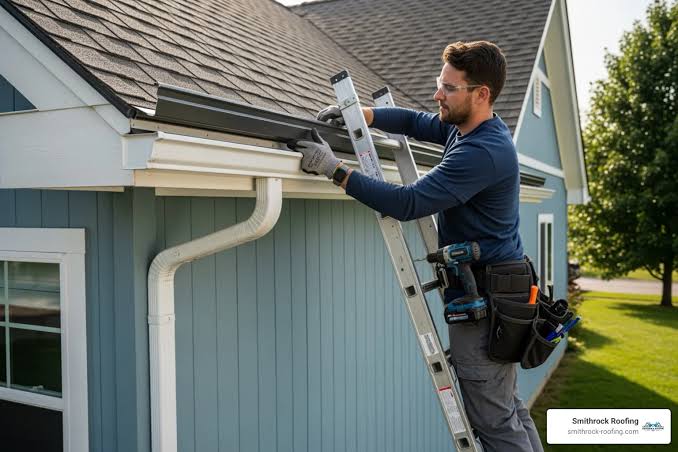
Gutter Installation: A Complete Approach to Better Roof Drainage and Property Protection
A properly designed gutter system is one of the most important components of a property’s exterior protection. Every rainfall event sends water across the roof surface toward the edges, and without an effective drainage system, that water can fall directly against exterior walls, landscaping, walkways, and foundation areas. Over time, uncontrolled runoff can contribute to soil erosion, exterior staining, moisture exposure, damaged landscaping, and drainage concerns around the structure. Gutters provide a controlled route for moving rainwater away from vulnerable areas, making them an essential part of responsible property maintenance. A quality system must be more than visually appealing because its real purpose is to manage water efficiently and protect the building envelope.
Professional gutter installation requires careful consideration of the roof design, gutter size, slope, material, downspout placement, fascia condition, and surrounding drainage. A system that looks attractive but cannot handle the amount of water produced by the roof will not provide adequate protection. Likewise, even high-quality gutters may perform poorly if they are installed without proper support or if downspouts release water too close to the foundation. A complete installation should therefore focus on both appearance and performance, creating a drainage system that works with the property’s roofing, siding, fascia, soffits, windows, doors, and foundation.
Understanding the Role of Gutters
Gutters are designed to collect rainwater as it leaves the roof and guide it toward downspouts. This controlled process helps prevent water from simply falling along the entire roof perimeter and accumulating around the structure. During heavy rainfall, the amount of water moving from a roof can be substantial, especially when the roof has a large surface area or several sections that direct water toward the same location. Without adequate drainage capacity, runoff can overwhelm the ground surrounding the building and create unnecessary moisture exposure.
A properly functioning gutter system helps organize this water movement. Instead of allowing water to fall wherever it naturally leaves the roof, gutters capture the runoff and send it toward designated discharge points. Downspouts then carry the water downward and away from the building. This can help reduce the amount of water reaching exterior walls and foundation areas while also protecting landscaping and other features near the property. Because gutters are part of the building’s water-management system, their condition should be considered whenever roofing or exterior maintenance is being planned.
Choosing the Right Gutter Material
Gutter systems are available in several materials, and each option has its own characteristics. Aluminum is widely used because it is lightweight, resistant to rust, and available in numerous colors. It can also be formed into different shapes and configurations, making it suitable for many roof designs. Steel gutters can provide additional strength and may be appropriate where a more robust material is desired, although corrosion protection should be considered. Copper is another option that offers a distinctive appearance and can develop a natural patina over time, making it suitable for properties where aesthetics are particularly important.
Vinyl gutters can provide a lightweight option for certain applications and may be relatively simple to install. However, material selection should not be based only on initial cost. Property owners should consider expected service life, weather exposure, maintenance requirements, appearance, roof design, and overall durability. A professional contractor can explain the differences between available materials and help identify an option that matches the property’s needs. Selecting the appropriate material at the beginning can contribute to better long-term performance and reduce unnecessary replacement or maintenance costs.
Selecting the Proper Gutter Size
Gutter capacity is another critical factor in designing an effective drainage system. The gutters must be capable of handling the volume of water generated by the roof, particularly during periods of heavy rainfall. A system that is too small may overflow even when there are no blockages, because the amount of incoming water exceeds its ability to carry runoff toward the downspouts. Overflow can result in water running down siding, collecting around the foundation, or washing away soil and landscaping.
The appropriate gutter size depends on several factors, including roof area, roof pitch, drainage layout, and rainfall intensity. Large roof sections may require larger-capacity gutters or additional downspouts to distribute water more effectively. Roof valleys can also concentrate large amounts of runoff into specific areas, making proper planning particularly important. An experienced contractor can evaluate these conditions and recommend a gutter configuration that is appropriate for the property’s actual water flow rather than relying on a standard installation approach.
Importance of Proper Gutter Slope
Gutters need to have an appropriate slope so that water moves naturally toward the downspouts. If a gutter is installed too level, water can remain trapped in certain sections instead of flowing toward the outlets. Standing water adds weight to the gutter and can contribute to sagging, debris accumulation, and premature deterioration. Over time, these issues can reduce the effectiveness of the drainage system and create additional maintenance requirements.The slope should be carefully established so that the gutters drain efficiently while maintaining a consistent and attractive appearance. Long runs may require more than one downspout or may need to be designed so that water moves toward outlets from multiple directions. Professional installers understand how to calculate and establish appropriate slopes while ensuring that the gutter remains securely supported. Proper alignment also helps prevent visible dips and uneven sections that can affect both performance and appearance.
Planning Downspout Placement
Downspouts are essential because they provide the route through which water leaves the gutter system. A gutter can collect water effectively, but if the downspouts are insufficient, poorly placed, or blocked, the water may back up and eventually overflow. Downspout placement should be based on the roof’s water flow and the overall drainage conditions around the building.Discharge locations also require careful consideration. Water should not simply be released directly beside the foundation, where concentrated runoff can saturate the surrounding soil. Extensions, splash blocks, underground drainage, or other solutions may be appropriate depending on the property’s layout. Downspouts should also be positioned away from areas where they could interfere with walkways, entrances, landscaping, or other frequently used spaces. Proper planning ensures that collected water is carried away efficiently and discharged in a controlled manner.
Protecting Fascia and Roof Edges
The roof edge and fascia provide important support for many gutter systems, so their condition should be evaluated before installation. If fascia boards are weakened by rot, moisture damage, insects, age, or other deterioration, new gutters may not have a secure surface to attach to. Installing gutters over damaged support materials can lead to loose sections, sagging, or premature detachment.Before new gutters are installed, a professional should inspect the supporting areas and recommend repairs if necessary. Addressing damaged fascia first provides a stronger foundation for the drainage system. The relationship between the roof edge and gutter should also be considered to ensure that water enters the gutter rather than flowing behind it. Proper positioning and appropriate flashing can help protect the fascia and surrounding exterior components from repeated moisture exposure.
Protecting Exterior Siding
Gutters play an important role in protecting siding because uncontrolled roof runoff can repeatedly expose exterior walls to water. When gutters overflow, water can run down the face of the building, creating stains and increasing moisture exposure around seams, windows, doors, trim, and other vulnerable areas. Over time, persistent exposure can contribute to deterioration depending on the materials and conditions involved.A properly functioning gutter system reduces this risk by capturing water before it reaches the exterior wall. This is especially important after a siding replacement project because new siding should be protected from unnecessary water exposure. Coordinating gutter work with siding improvements can create a more complete exterior protection system and help preserve the appearance and condition of the walls.
Protecting Foundation Areas
One of the most significant benefits of an effective gutter system is its ability to reduce concentrated roof runoff around foundation areas. When rainwater falls directly from the roof, it can accumulate around the base of the building and saturate nearby soil. Repeated water exposure may contribute to erosion and create unnecessary moisture conditions around foundation walls.Properly positioned downspouts help redirect water away from the building. However, gutter installation should be considered alongside other site drainage features. The slope of the surrounding ground, existing drainage channels, landscaping, and foundation conditions can all influence how water behaves after it leaves the downspout. A comprehensive approach can provide stronger protection than relying on gutters alone.
Advantages of Seamless Gutter Systems
Seamless gutters are produced in long sections that are measured and cut to fit the property’s roofline. Unlike sectional gutters, they have fewer joints along straight runs, which can reduce the number of potential leak points. This can provide a cleaner appearance and may simplify long gutter runs.Although seamless systems have fewer seams, proper installation is still essential. Corners, end caps, outlets, and downspout connections require careful attention because these areas still contain joints and transitions. The system must also be properly supported and sloped. A seamless gutter is not automatically effective simply because it has fewer connections; workmanship and drainage planning remain critical.For property owners who want a streamlined appearance and fewer joints along long roof edges, seamless gutters can be an attractive option. A professional can evaluate whether this system is suitable based on the property’s roof design, drainage needs, and budget.
When Gutter Replacement Is Necessary
Some gutter problems can be repaired, but there are situations where complete replacement makes more sense. Extensive corrosion, repeated leaks, severe sagging, cracks, detached sections, damaged outlets, and recurring overflow may indicate that the existing system has reached the end of its practical service life.Replacing an old gutter system can also provide an opportunity to correct problems with its original design. Additional downspouts may improve water flow, larger gutters may provide more capacity, and new discharge locations may help move water farther away from the foundation. Instead of simply replacing damaged sections with similar materials, a professional assessment can identify opportunities to improve the entire drainage system.
Preparing for a Gutter Installation Project
Proper preparation can make the installation process more efficient and help prevent unexpected complications. The contractor should inspect existing gutters, fascia, roof edges, downspouts, and nearby exterior components before beginning the work. If hidden deterioration is discovered, repairs may be necessary before the new system can be securely installed.Property owners can prepare by moving vehicles, outdoor furniture, decorations, and other belongings away from the work area. Landscaping near the walls may also require temporary protection. The contractor should explain how old gutters will be removed, how materials will be installed, where downspouts will be positioned, and how debris will be handled after the work is completed.Clear communication before installation can help ensure that the finished system meets the property’s drainage requirements while minimizing disruption during the project.
Maintaining a New Gutter System
Even a professionally installed gutter system requires regular maintenance. Leaves, twigs, dirt, roof granules, and other debris can accumulate inside gutters and restrict water flow. When water cannot move freely, it may overflow over the sides or remain trapped inside the channels. Regular cleaning helps maintain drainage capacity and allows property owners to identify developing problems.Gutters should be inspected periodically, particularly after severe weather and during seasons when nearby trees shed large amounts of leaves. Downspouts should also be checked to ensure that they are not blocked. If water drains slowly or remains inside the gutter after rainfall, the system may require cleaning or adjustment.Property owners should also watch for loose fasteners, sagging sections, separated joints, cracks, and signs of corrosion. Addressing these concerns early can prevent more extensive damage and help extend the life of the system.
Considering Gutter Guards
Gutter guards can reduce the amount of leaves and larger debris that enter the gutter system. They are available in different designs, and their effectiveness depends on the product, roof configuration, surrounding vegetation, and installation quality. For properties surrounded by trees, gutter guards may help reduce the frequency of cleaning.However, gutter guards do not eliminate maintenance entirely. Debris can accumulate on top of the guards, and smaller particles may still enter the gutter. Periodic inspection remains important to ensure that water can move through the system.When installing new gutters, property owners can discuss gutter guard options with their contractor. A professional can consider the surrounding environment and recommend whether a guard system would provide meaningful benefits.
Coordinating Gutters With Roofing
Roofing and gutters are directly connected because the roof determines how rainfall reaches the drainage system. Roof valleys, slopes, edges, and extensions can influence the amount and direction of runoff. If gutters are not positioned correctly, water may bypass the system or overflow in areas where the roof produces concentrated runoff.Whenever a roof is repaired or replaced, the condition and layout of the gutter system should also be considered. A new roof deserves an effective drainage system capable of managing the water it collects. In some situations, gutter replacement may be necessary to ensure proper compatibility with the updated roofline.Coordinating roofing and drainage work can provide a more complete solution and help protect fascia, siding, landscaping, and foundation areas from uncontrolled runoff.
Choosing a Professional Contractor
The contractor responsible for installing gutters can have a major influence on their performance and service life. Property owners should look for professionals who understand roof drainage, gutter materials, fascia conditions, downspout placement, and exterior water management. Experience is especially important when working with large or complex rooflines that require careful planning.A detailed estimate should explain the proposed gutter material, size, downspout configuration, removal of existing components, installation procedures, and cleanup. Property owners should also ask about workmanship warranties and recommended maintenance practices.Working with an experienced gutter installation professional can help ensure that the system is designed around the actual needs of the property. Instead of simply replacing old gutters, a qualified contractor can identify drainage weaknesses and recommend improvements that support long-term performance.
Long-Term Benefits of Professional Gutter Installation
A professionally installed gutter system can provide lasting benefits by controlling rainwater and reducing unnecessary moisture exposure around the property. Proper drainage can help protect exterior walls, siding, fascia, landscaping, walkways, and foundation areas. It can also reduce the likelihood of uncontrolled runoff creating erosion or persistent wet areas near the building.Modern gutters can also contribute to the property’s overall appearance. They are available in different colors, materials, and profiles, allowing property owners to coordinate the drainage system with roofing, siding, trim, and other exterior features. A clean, properly aligned gutter system can complement the building rather than appearing like an afterthought.The long-term value of gutters depends on both installation and maintenance. Even high-quality materials can deteriorate if they are consistently clogged or improperly supported. Regular cleaning, inspections, and prompt repairs help preserve the system and reduce the likelihood of expensive drainage-related problems.
Creating a Complete Water Management Strategy
Gutters should be viewed as one component of a broader exterior water-management system. Roofing, flashing, siding, windows, doors, grading, downspouts, landscaping, and foundation drainage all influence how water moves around a property. When these components work together, they can provide stronger protection against moisture.For example, defective roof flashing can allow water to reach exterior walls, while clogged gutters can cause water to overflow onto siding. Downspouts that release water directly beside the foundation can create concentrated moisture even when the gutters themselves are working properly. Addressing these components together can produce a more effective and durable drainage strategy.Property owners planning exterior improvements should therefore evaluate how each part of the building envelope interacts with the others. Investing in a complete water-management approach can help protect previous improvements and reduce the likelihood of recurring drainage concerns.
Conclusion
A properly designed gutter system is an essential part of protecting a property from rainwater and uncontrolled roof runoff. Gutters collect water from the roof, guide it toward downspouts, and help direct it away from exterior walls, landscaping, walkways, and foundation areas. When the system is correctly sized, properly sloped, securely attached, and strategically positioned, it can provide reliable drainage while helping reduce moisture-related concerns.Selecting suitable materials and working with an experienced contractor can make a substantial difference in the performance of the finished system. Property owners should also understand that gutters require ongoing care even after professional installation. Regular cleaning, inspections, and timely repairs can help preserve drainage capacity and extend the useful life of the system.For property owners considering an exterior improvement or replacing an outdated drainage system, professional gutter installation can provide an effective combination of functionality, protection, and curb appeal. By coordinating gutters with roofing, siding, fascia, downspouts, and overall property drainage, owners can establish a stronger water-management system designed to perform reliably for years.