Protecting Your Property by Addressing Roof Leaks Before Damage Spreads
A roof is designed to provide dependable protection against rain, moisture, wind, sunlight, and other outdoor conditions, but even a small opening can affect the performance of the entire roofing system. Water does not always enter a property through an obvious hole, and many leaks develop around damaged shingles, deteriorated flashing, worn seals, roof valleys, vents, skylights, or other vulnerable transitions. In some situations, the visible water stain inside a property may be located far from the actual source of the leak because moisture can travel along roof decking, framing, insulation, and other materials before becoming visible. For this reason, roof leak repair should focus on identifying the true source of water intrusion rather than simply covering the location where the problem becomes noticeable. A professional approach can help protect the roofing system and reduce the possibility of moisture spreading into ceilings, walls, insulation, flooring, and other important parts of the property.
Understanding How Roof Leaks Develop
Roof leaks can develop suddenly after a severe storm, but many problems begin gradually and remain unnoticed for a long period. Roofing materials are continuously exposed to changing temperatures, sunlight, rain, wind, and debris, and this repeated exposure can eventually affect their condition. Shingles may crack, curl, loosen, or become displaced, while metal roofing components may develop loose fasteners, damaged seams, or other areas of concern. Flashing around chimneys, skylights, vents, and walls can also deteriorate over time. Even a small gap in one of these areas may allow moisture beneath the exterior roofing materials. Once water reaches the underlying layers, it may continue moving through the structure and create damage in areas that are not immediately visible. Understanding how these problems develop helps property owners recognize why a detailed inspection is often necessary before permanent repairs can be completed.
Why Early Attention Can Make a Major Difference
A minor roof leak can become a larger property problem when it is ignored. Water entering through a damaged section of roofing can gradually affect the roof deck and insulation before reaching interior ceilings or walls. Prolonged moisture exposure may also affect framing, paint, finishes, and other building materials. The longer a leak continues, the greater the possibility that additional areas will require attention. Prompt roof leak repair can help limit the amount of water entering the property and reduce the possibility of damage spreading beyond the original source. Early action can also make the repair process more manageable because localized damage is often easier to address before surrounding materials become affected. Property owners should not wait until water is actively dripping from the ceiling before arranging a professional evaluation, particularly when stains, unusual moisture, or other warning signs begin to appear.
Common Signs That a Roof May Be Leaking
Some signs of a roof leak are easy to recognize, while others can be subtle. Water stains on ceilings or upper walls are among the most common warning signs, but peeling paint, bubbling finishes, damp insulation, and unusual odors may also indicate moisture intrusion. In an attic, property owners may notice damp areas, discoloration, or signs that water has entered near the roof structure. Exterior warning signs can include damaged or missing shingles, loose flashing, cracked sealants, visible gaps, or debris accumulated around vulnerable areas. It is important to remember that the location of an interior stain does not necessarily identify the exact point where the roof is leaking. Water may travel before it reaches a visible surface, which is why a professional inspection should evaluate surrounding roof areas rather than focusing only on the location of the interior damage.
Damaged Shingles Can Create Openings for Moisture
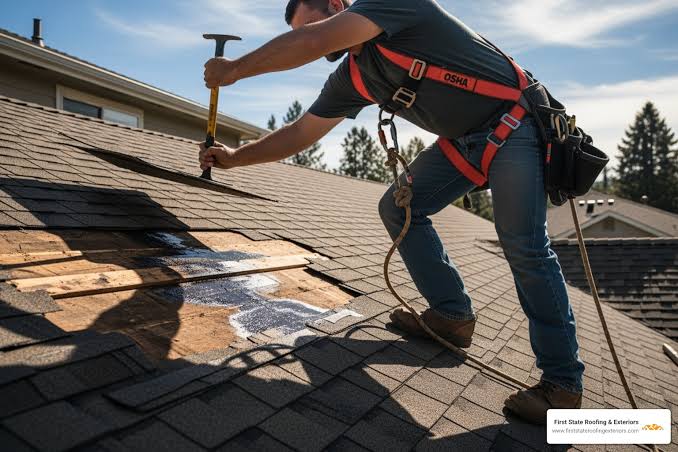
Shingles are exposed directly to outdoor conditions and may eventually become damaged because of aging, wind, impact, or severe weather. Missing shingles can expose underlying materials, while cracked or lifted shingles may allow water to reach beneath the roof covering. Damage can also occur when fasteners or surrounding materials begin to fail. Replacing a damaged shingle may appear simple, but the repair should include an evaluation of the surrounding area. Nearby shingles may also have been loosened, and water may already have reached the materials underneath. A proper repair should use compatible replacement materials and ensure that the affected section is integrated correctly with the existing roofing system. When performed professionally, localized shingle repairs can help restore the protective surface and prevent additional moisture from entering.
Flashing Is One of the Most Important Areas to Inspect
Many roof leaks develop around flashing because these components protect transitions where the roofing surface meets another structure or changes direction. Chimneys, skylights, plumbing vents, walls, valleys, and other penetrations can create areas where water needs to be carefully directed away from the building. Flashing may become damaged, loose, corroded, or separated from surrounding materials after years of weather exposure. Sealants may also deteriorate and create gaps that allow water to enter. A leak around one of these areas should not always be addressed by applying additional sealant alone. The complete flashing arrangement and surrounding roofing materials may need to be evaluated to determine the actual cause of the problem. Properly installed flashing is designed to work with the rest of the roof, directing water away while maintaining protection around vulnerable transitions.
Roof Valleys Require Careful Water Management
Roof valleys are areas where two roof sections meet, causing water from multiple surfaces to flow toward the same location. During heavy rainfall, a significant amount of runoff can move through these areas, making proper installation and maintenance especially important. Damaged valley materials, deteriorated flashing, or accumulated debris can interfere with water flow and increase the possibility of moisture entering beneath the roof surface. Because valleys experience repeated water exposure, even relatively small defects can become more noticeable during heavy rain. A professional evaluation can identify whether the valley materials remain in good condition and whether water is being directed properly. Repairing the affected area may involve replacing damaged materials and ensuring that the valley continues to provide a clear path for runoff.
Roof Penetrations Can Become Vulnerable Over Time
Roofs often contain several penetrations for plumbing vents, ventilation equipment, skylights, chimneys, and other building components. Each penetration creates a transition that requires proper protective materials and installation. Over time, the components surrounding these areas may deteriorate because of weather exposure, normal material movement, or aging. A small opening around a vent or other penetration can allow water beneath the roofing materials and into the structure. During a professional inspection, these areas should be evaluated carefully because they may not show obvious signs of damage from the ground. Repairing the affected components and ensuring that the surrounding roofing materials remain properly integrated can help restore protection and reduce the possibility of future leaks.
The Roof Deck May Be Affected by Long-Term Leaks
The roof deck provides structural support beneath the visible roofing materials, and its condition can be affected when water enters the roofing system over an extended period. Because the deck is usually hidden, deterioration may not be visible until roofing materials are removed during repairs. A significant or long-term leak may require a contractor to inspect the underlying structure to determine whether the deck remains in suitable condition. If damaged sections are discovered, they may need to be repaired before replacement roofing materials are installed. Covering a weakened area with new shingles or other exterior materials can conceal the problem without correcting the underlying concern. Addressing affected decking when necessary helps provide a stronger foundation for the repaired roofing system.
Why Finding the Actual Leak Source Matters
The most important part of repairing a roof leak is determining where water is actually entering. Interior symptoms may point to a general area, but they do not always reveal the exact source. Water can travel along structural components before reaching a ceiling or wall, and more than one roofing issue may exist at the same time. A detailed inspection may include examining shingles, flashing, valleys, penetrations, roof edges, drainage components, and other areas where moisture can enter. Once the source has been identified, the contractor can recommend the appropriate repair rather than relying on a temporary surface-level patch. Effective roof leak repair addresses the cause of water intrusion and restores the damaged area as part of the complete roofing system.
The Role of Gutters and Drainage
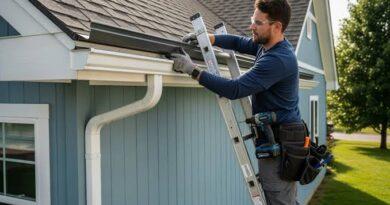
Roof drainage can also influence the likelihood of moisture-related problems. Gutters and downspouts are designed to collect and direct rainwater away from the property. When gutters become clogged with leaves, dirt, or other debris, water can overflow near roof edges and repeatedly expose vulnerable exterior materials to moisture. Overflow may affect fascia, soffits, siding, and areas around the foundation. Roof valleys can also collect debris and experience drainage problems when they are not maintained. During a roofing evaluation, drainage should be considered alongside the condition of the roof covering. Restoring a damaged section of roofing may not provide the best long-term results if water continues to collect or overflow in the same area. Maintaining gutters and ensuring that downspouts direct water appropriately can support the overall performance of the roofing system.
Storm Damage Can Trigger Unexpected Leaks
Strong storms can expose weaknesses that were previously unnoticed. High winds may lift or remove shingles, while hail and falling debris can cause impact damage. Heavy rain can also test vulnerable areas such as flashing, valleys, seams, and penetrations. In some cases, damage may not create an immediate visible leak but can weaken the roofing system and increase the likelihood of future water intrusion. After severe weather, a professional inspection can help determine whether the roof has been affected. Prompt evaluation is especially important when visible materials have been displaced or when interior moisture begins to appear. Addressing storm damage before another period of severe weather can help reduce the possibility of additional water entering the property.
Repairing Leaks in Different Roofing Systems
Different roofing materials require different repair methods, which is why the existing roofing system should be considered before any work begins. Asphalt shingle roofs may require replacement of damaged shingles and evaluation of the materials underneath. Metal roofing may require attention to seams, fasteners, flashing, panels, and penetrations. Low-slope roofs may have different concerns involving membranes, seams, drainage, and areas where water accumulates. Tile and other specialized roofing systems also require careful handling because individual components may need to be replaced without disturbing surrounding materials. A professional contractor should understand the installation requirements of the existing roof and use repair methods that are compatible with the materials already in place.
When a Temporary Repair May Be Necessary
In some situations, severe weather or active rainfall may prevent a permanent repair from being completed immediately. Temporary protection may then be used to reduce additional water intrusion until conditions allow for more extensive work. The specific approach depends on the roofing system, extent of damage, weather conditions, and safety requirements. Temporary measures should not be considered a complete substitute for permanent repairs because they may not address damaged underlayment, decking, flashing, or other components beneath the surface. Once conditions improve, a thorough evaluation can determine what additional work is needed. The goal is to stabilize the immediate situation while creating a clear plan for restoring long-term roof protection.
Repair or Replacement After a Major Leak
Not every roof leak means that a complete roof replacement is required. When damage is limited and the majority of the roofing system remains in good condition, a professional repair may restore protection effectively. However, repeated leaks, widespread deterioration, extensive moisture damage, or aging materials may indicate that replacement is the more practical long-term solution. A professional inspection can help determine whether the problem is isolated or part of a larger pattern. The condition of the roof deck, exterior materials, flashing, underlayment, ventilation, and drainage may all influence the recommendation. Replacement can provide an opportunity to address several concerns at once and build a stronger roofing assembly, while a targeted repair may be appropriate when the rest of the roof continues to perform effectively.
The Importance of Professional Workmanship
Roof leak repairs require careful attention because even a small installation mistake can allow water to continue entering the structure. Quality workmanship involves more than covering a visible opening. Contractors should inspect the affected area, identify the source of the leak, remove damaged materials when necessary, and install compatible replacement components correctly. Flashing and underlayment should be properly integrated with the surrounding roof so that water is directed away from vulnerable locations. Professional experience can be particularly important when leaks involve complex roof designs, multiple penetrations, valleys, or areas where different materials meet. A reliable contractor should also explain what caused the problem and provide information about the recommended repair, helping property owners understand the condition of their roofing system.
Maintaining the Roof After a Leak Has Been Repaired
After repairs are completed, regular maintenance can help protect the roofing system and reduce the possibility of future leaks. Property owners should periodically inspect the roof from a safe location and look for visible changes such as damaged materials, loose components, or accumulated debris. Gutters and downspouts should be cleaned and maintained so that water can move effectively away from the roof. Trees near the building should also be monitored because branches can rub against roofing materials or cause impact damage during storms. Following severe weather, another professional inspection may be beneficial if there is reason to believe that the roof was affected. Continued maintenance helps property owners identify concerns early rather than waiting until interior water damage becomes visible.
Choosing an Experienced Roofing Professional
The contractor responsible for investigating a roof leak can have a major influence on the success of the repair. Property owners should look for professionals who understand complete roofing assemblies and can evaluate the condition of more than just the visible surface. An experienced contractor should inspect potential sources of water intrusion, evaluate the condition of flashing and surrounding materials, and consider whether underlying components may have been affected. Clear communication is also important because hidden conditions may be discovered after damaged roofing materials are removed. A dependable contractor should explain these findings and provide practical recommendations before additional work is performed. Choosing qualified professionals can help property owners avoid temporary solutions that fail to address the actual cause of a recurring leak.
Conclusion
A roof leak should never be viewed as a problem that affects only one small area of a property. Even a limited opening can allow moisture to travel through the roofing system and affect important structural and interior materials. Prompt roof leak repair can help identify the source of water intrusion, restore damaged roofing components, and reduce the possibility of additional moisture-related damage. Effective repairs require a complete approach that considers shingles or other roof coverings, flashing, valleys, penetrations, drainage, underlayment, and the condition of the roof deck when necessary.Regular maintenance and professional inspections can also help identify developing concerns before they become serious leaks. When damage is discovered early, localized repairs may protect the existing roofing system and help extend its useful life. When extensive deterioration is found, replacement may provide a stronger long-term solution. By addressing leaks promptly, maintaining effective drainage, monitoring the roof after severe weather, and working with experienced professionals, property owners can help maintain reliable roof protection and reduce the risk of unexpected water damage throughout the property.