Protecting Your Property With Timely Roofing Repairs and Professional Care
A roof is one of the most important protective components of any property because it shields the structure and everything inside it from rain, wind, sunlight, moisture, temperature changes, debris, and severe weather conditions. Over time, even a well-installed roofing system can experience normal wear, material deterioration, storm damage, or problems caused by poor drainage and ventilation. Small issues can become much more serious when they are ignored, particularly when water begins to enter beneath roofing materials and reach the roof deck, insulation, walls, ceilings, or structural components. Timely professional roofing service can help identify these concerns and restore damaged areas before they develop into larger and more expensive problems. A comprehensive approach to roof repair involves more than replacing a damaged shingle or covering a visible leak. It requires identifying the source of the problem, evaluating surrounding materials, checking vulnerable components, and completing corrective work using appropriate techniques and materials.
Why Roof Condition Matters for Every Property
The roof provides the first major line of defense against outdoor exposure, making its condition directly connected to the protection of the entire property. When roofing materials are intact and properly installed, they help direct rainwater away from the structure and prevent moisture from reaching vulnerable areas. When damage develops, however, water can find pathways beneath shingles, membranes, flashing, or other roofing materials. Once moisture enters the roofing assembly, it can travel through insulation and structural components before becoming visible inside the property.This is why roof maintenance should not be limited to responding when a major leak appears. A small crack, loose shingle, damaged flashing component, or deteriorated seal may seem insignificant at first, but continued exposure to weather can gradually expand the affected area. Professional inspections and timely corrective work can help property owners identify these concerns earlier. Protecting the roof also helps protect ceilings, walls, insulation, framing, flooring, interior finishes, and personal belongings from unnecessary moisture exposure.
Common Causes of Roofing Damage
Roofing systems can develop damage for many different reasons, and understanding the cause is important when determining the appropriate solution. Severe weather is one of the most common contributors, with strong winds capable of lifting or loosening roofing materials and hail potentially creating impact damage. Falling branches and other debris can puncture or crack roofing surfaces, while heavy rainfall may expose weaknesses around flashing, valleys, penetrations, and drainage areas.
Age is another major factor. Roofing materials gradually lose some of their protective characteristics after years of exposure to sunlight, temperature fluctuations, moisture, and wind. Installation problems can also contribute to premature deterioration. Incorrect fastening, inadequate flashing, poor ventilation, improper drainage, and unsuitable materials may create vulnerabilities that become more noticeable over time. Identifying the reason for the damage helps ensure that repairs address the underlying issue rather than simply treating the visible symptom.
Recognizing Signs That a Roof Needs Attention
Property owners should pay attention to both exterior and interior warning signs. Missing, cracked, curling, or damaged shingles are obvious indicators that the roof may require professional evaluation. Other signs can include excessive granule loss, deteriorated flashing, visible gaps, damaged roof edges, or areas where materials appear unusually worn.Interior symptoms can sometimes be even more important because they may indicate that moisture has already moved beyond the exterior roofing layer. Ceiling stains, peeling paint, damp insulation, discoloration around walls, unexplained moisture, or musty odors can all justify further investigation. These symptoms do not always originate from the roof, but when they occur beneath or near roofing areas, a professional assessment can help determine whether the roofing system is contributing to the problem.
The Importance of Professional Roof Inspections
A professional roof inspection can provide a more complete understanding of the roofing system’s condition than a basic visual check from ground level. Roofing professionals can examine materials, flashing, valleys, penetrations, roof edges, drainage components, and other vulnerable areas. They can also look for patterns of deterioration that may indicate an underlying problem.Inspections are especially useful after severe weather because damage may not always be obvious. A strong wind event can loosen roofing materials without immediately removing them, leaving them vulnerable to future weather. Hail may create small impact areas that become more problematic over time. By identifying these concerns early, property owners can take corrective action before additional weather exposure causes the damage to expand.
Addressing Leaks at Their Source
A leaking roof can be frustrating because the location where water appears inside the property is not necessarily the location where it entered. Water can travel along roof decking, insulation, framing, or other pathways before reaching the ceiling or wall surface. As a result, simply sealing the visible interior stain may not address the source.
Professional roofing specialists investigate the surrounding exterior areas to identify possible entry points. They may examine flashing, roofing materials, valleys, penetrations, seams, and drainage conditions. Once the source has been identified, the affected roofing components can be repaired or replaced as appropriate. This approach provides a better opportunity for lasting results than repeatedly treating the visible interior symptom.
Repairing Damaged Roofing Materials
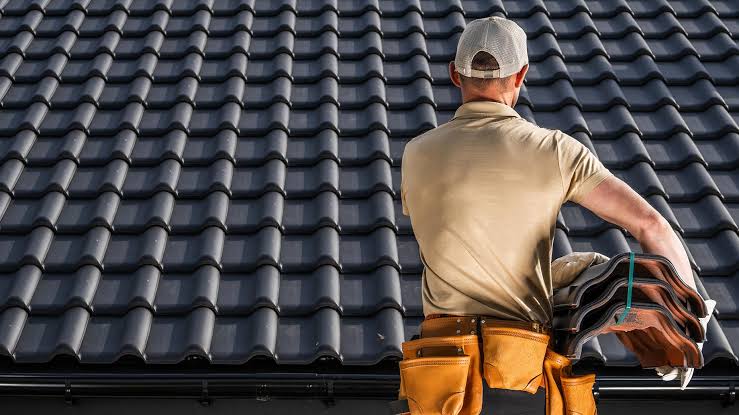
Localized roofing damage can often be addressed when the surrounding system remains in good condition. Depending on the type of roof and extent of damage, repairs may involve replacing individual shingles, repairing damaged sections, securing loose materials, correcting flashing, sealing appropriate areas, or restoring damaged roof edges.The quality of the repair is important because the replacement material needs to integrate properly with the existing roofing system. Improperly installed materials can create new vulnerabilities or produce an uneven appearance. Professional repair work considers the surrounding components and ensures that the repaired area performs as part of the complete roofing system.
Flashing Problems and Water Intrusion
Flashing is one of the most important components for preventing water intrusion around vulnerable roof transitions. It is commonly used around chimneys, vents, skylights, walls, valleys, and other areas where different building components meet. When flashing becomes loose, cracked, corroded, or improperly sealed, water can enter beneath the roofing Because flashing problems may cause leaks even when the main roofing surface appears to be in good condition, they should be carefully evaluated during inspections. Repairing or replacing damaged flashing can help restore the water-shedding function of the affected area. Professionals should also consider how the flashing connects with surrounding roofing materials to ensure that the repair does not simply move the water problem to another location.
Roof Valleys and Drainage Areas
Roof valleys are areas where two roof slopes meet, creating a natural path for water runoff. Because substantial amounts of water can move through these areas during rainfall, damaged or improperly installed valley components can become a source of leaks. Debris accumulation can also interfere with water flow and increase moisture exposure.Drainage systems should be maintained alongside the roof itself. Gutters and downspouts need to remain clear so that rainwater can move away from the property efficiently. When drainage is poor, water may overflow near roof edges and repeatedly expose exterior walls, fascia, siding, and foundation areas to moisture. Addressing drainage problems can therefore be an important part of protecting repaired roofing areas.
Ventilation and Roof Performance
Roof ventilation can influence the long-term condition of both the roof and the attic. Excessive heat and moisture can accumulate when airflow is inadequate, potentially contributing to material deterioration, condensation, insulation problems, and moisture-related damage.When evaluating a roofing problem, professionals may consider whether attic ventilation is functioning appropriately. Intake and exhaust ventilation should work together to encourage balanced airflow. If ventilation deficiencies are contributing to premature roofing deterioration, addressing them can help support the performance of repaired or newly installed materials.
Storm Damage and Emergency Concerns
Severe weather can create sudden roofing problems that require prompt attention. Strong winds can remove or loosen shingles, hail can damage roofing surfaces, and falling branches can create punctures or structural concerns. Heavy rainfall can expose weaknesses and allow water to enter areas that previously appeared functional.After a major storm, property owners should look for visible signs of damage and unusual interior moisture. However, climbing onto a damaged or wet roof can be dangerous. Professional roofing specialists have the appropriate equipment and experience to evaluate storm-related conditions more safely. Prompt assessment can help determine whether temporary protection or permanent repairs are required.
When a Repair May Not Be Enough
Not every roofing problem should be handled with a simple localized repair. If a roof has extensive deterioration, repeated leaks, widespread material failure, or significant underlying damage, continued repairs may no longer provide the most practical long-term solution.A professional evaluation can help determine whether the roofing system remains a good candidate for repair or whether replacement should be considered. Factors such as roof age, material condition, repair history, expected remaining service life, and extent of damage should all be taken into account. Making this determination early can help property owners avoid spending repeatedly on repairs when a more comprehensive solution may provide better value.
Protecting the Roof Deck
The roof deck provides the supporting surface beneath many roofing systems, so its condition is an important consideration during repairs. If water has been entering for an extended period, the deck may develop deterioration or weakened areas. Installing new exterior materials without addressing compromised decking can leave the underlying problem unresolved.
During significant roofing work, damaged decking should be evaluated and repaired where necessary. A sound deck provides a stronger foundation for roofing materials and allows fasteners and other components to perform as intended. Proper preparation is particularly important when water damage has been present for an extended period.
Underlayment and Moisture Protection
Underlayment provides an additional layer of protection beneath the primary roofing material. It can help protect the roof deck from moisture that may move beneath shingles or other exterior materials. The effectiveness of underlayment depends on correct installation, appropriate coverage, and proper integration with flashing and other components.During repair or replacement projects, professionals should consider the condition of the existing underlayment and determine whether damaged sections require attention. Addressing this layer as part of the overall roofing system can help improve moisture protection and support the long-term performance of the repaired area.
Choosing the Right Roofing Materials for Repairs
When repairing a roof, material compatibility is important. Replacement materials should be appropriate for the existing system and should integrate effectively with surrounding components. Differences in material type, profile, color, age, and condition can influence the appearance and performance of a repaired area.In some situations, matching older roofing materials may be straightforward, while in others, an exact match may not be available. A professional can explain the available options and determine the most practical approach. If the existing system is significantly deteriorated, replacement of a larger section or the entire roof may provide better long-term consistency.
Maintaining Gutters and Downspouts
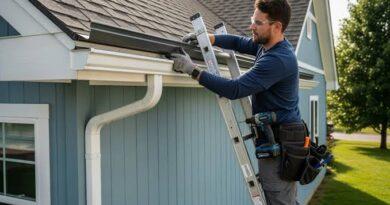
Roofing performance is closely connected to drainage. Gutters collect water from the roof and direct it toward downspouts, which should carry runoff away from the building. When gutters are clogged with leaves, branches, dirt, or other debris, water may overflow and repeatedly expose roofing edges and exterior walls to moisture.Routine gutter maintenance can therefore support the overall condition of the roofing system. Property owners should also check downspouts for blockages and make sure water is discharged away from areas where it could affect the foundation. Effective drainage helps reduce unnecessary moisture exposure and can support the longevity of repaired roofing components.
The Value of Quality Workmanship
A roofing repair is only as effective as the workmanship behind it. Even high-quality materials can fail prematurely when they are installed incorrectly. Poor fastening, inadequate flashing, improper sealing, or failure to address the underlying cause of damage can result in recurring problems.Quality workmanship focuses on both the visible repair and the surrounding system. Professionals should consider how the repaired area interacts with adjacent materials, drainage pathways, flashing, ventilation, and roof structure. This comprehensive approach can help create a repair that is more durable and less likely to require repeated attention.
Selecting Experienced Roofing Professionals
Choosing experienced roofing professionals is an important part of protecting a property. Property owners should look for professionals who understand different roofing systems, can accurately diagnose problems, communicate clearly, and provide recommendations based on actual conditions.A reliable professional should not automatically recommend the most extensive or expensive solution. Instead, the recommended work should reflect the condition of the roof and the long-term goals of the property owner. Whether the appropriate solution is a localized repair, larger restoration project, or complete replacement, the decision should be supported by a clear explanation of the existing condition and expected benefits.
Creating a Preventive Roofing Maintenance Plan
Preventive maintenance can help reduce the frequency of unexpected roofing emergencies. A maintenance plan may include periodic inspections, gutter cleaning, drainage checks, flashing evaluations, debris removal, and monitoring of previously repaired areas.Keeping records of inspections and repairs can also help property owners understand how the roofing system is changing over time. If the same areas repeatedly require attention, this information may indicate that a larger underlying issue needs to be addressed. A proactive maintenance strategy can make roofing expenses more predictable and help extend the useful life of the existing system.
Protecting Interior Spaces From Roofing Damage
Roofing problems can affect much more than exterior materials. When water enters the building, it may damage ceilings, walls, insulation, flooring, electrical components, furniture, equipment, and personal belongings. The longer moisture remains unresolved, the greater the possibility of secondary deterioration.Prompt professional service can help reduce the risk of extensive interior damage. Identifying and correcting the source of water intrusion allows property owners to take additional steps to protect affected interior areas. This is particularly important when leaks occur during periods of heavy rainfall or when moisture has been present for an extended period.
Improving Long-Term Property Protection
Professional roofing maintenance and repairs contribute to the overall condition of the property. A dependable roof protects structural components, supports exterior appearance, and helps prevent moisture from affecting interior spaces. Maintaining the roofing system can also provide greater confidence when planning other property improvements.Roofing should be considered as part of a larger building envelope that includes siding, windows, doors, flashing, insulation, gutters, and drainage. When these components work together effectively, the property has a stronger defense against outdoor moisture and environmental exposure. Addressing roofing problems as soon as they are discovered supports the performance of this entire protective system.
Conclusion
A properly maintained roof is essential for protecting a property from weather exposure, moisture, and the many problems that can result from water intrusion. Roofing damage can develop because of severe weather, aging materials, poor drainage, inadequate ventilation, installation problems, or physical impact. Identifying these concerns early and addressing them with appropriate professional methods can help prevent localized problems from becoming extensive structural or interior damage. Professional roof repair services can provide property owners with a practical way to address damaged materials, flashing problems, leaks, drainage concerns, and other roofing issues while evaluating the surrounding system for additional vulnerabilities.
Long-term roofing performance depends on more than responding to emergencies. Regular inspections, preventive maintenance, proper drainage, effective ventilation, quality materials, and professional workmanship all contribute to a dependable roofing system. Property owners should also understand that repeated repairs may eventually indicate that replacement is a more practical solution, particularly when deterioration is widespread or the roof is approaching the end of its useful life. By working with experienced professionals and taking a proactive approach to maintenance, property owners can protect their investment, reduce unnecessary repair costs, preserve interior spaces, and improve the long-term reliability of the building.A strong roofing strategy should always focus on both immediate needs and future performance. Whether a property requires attention after severe weather, correction of a persistent leak, replacement of damaged materials, or a broader evaluation of an aging system, professional assessment provides the information needed to make an informed decision. Investing in appropriate roofing care can help maintain the property’s structural condition, improve exterior protection, and provide dependable performance through changing weather conditions. With consistent maintenance and timely professional service, property owners can give their roofing system the attention it needs to remain an effective and durable part of the building for years to come.