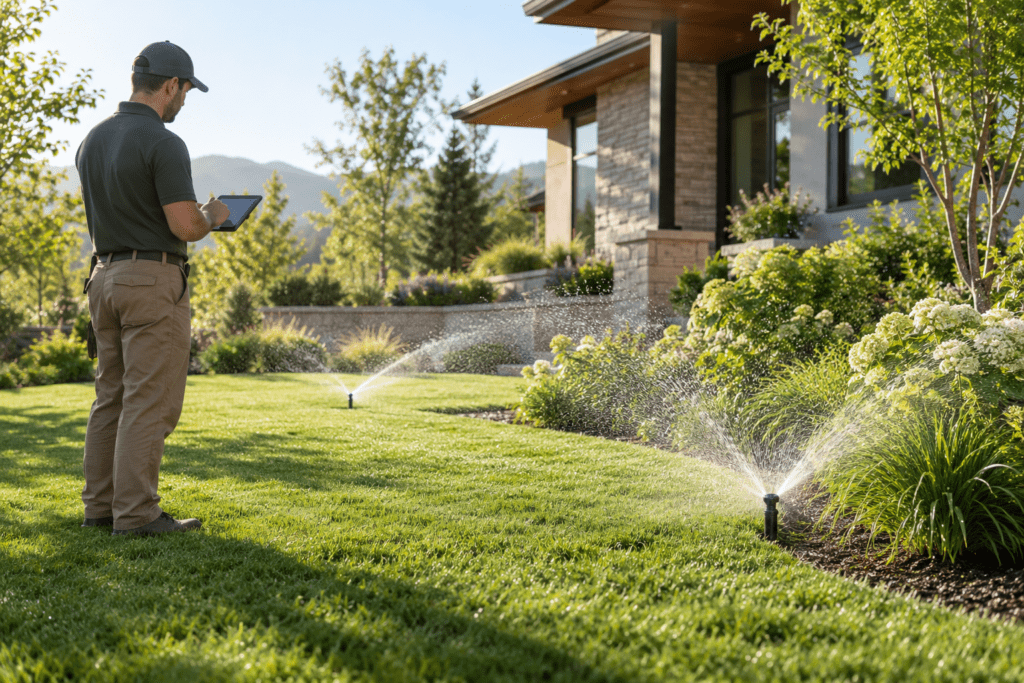
Smart Irrigation Solutions for Healthier and More Efficient Landscapes
A well-designed irrigation system is one of the most important investments for maintaining a healthy and attractive landscape. Whether the property includes lawns, flower beds, trees, shrubs, vegetable gardens, or commercial green spaces, plants need consistent access to water to remain healthy throughout changing weather conditions. Manual watering can be time-consuming and often results in uneven coverage, excessive water use, or areas that receive too little moisture. A professionally planned irrigation system helps distribute water more efficiently while reducing the daily effort required to maintain outdoor spaces. Modern systems can also be adjusted according to plant requirements, soil conditions, weather patterns, and seasonal changes, making landscape care more convenient and sustainable.
Understanding Modern Irrigation Systems
Irrigation is much more than simply installing sprinklers around a property and turning them on at regular intervals. An effective system requires careful planning so that water reaches the right areas in the right quantities. Different sections of a landscape may have different watering requirements because of variations in sunlight, soil type, plant species, slope, and drainage. A lawn exposed to direct sunlight may need more water than a shaded garden bed, while established trees may require a completely different watering approach. Professional planning takes these differences into account and creates separate watering zones when necessary. This approach helps prevent overwatering while ensuring that plants receive enough moisture for healthy growth.A reliable irrigation company can evaluate the property and recommend equipment and watering methods that match its specific requirements. Depending on the landscape, the system may include spray heads, rotor sprinklers, drip irrigation, smart controllers, valves, pressure regulators, moisture sensors, or other components. Each part has a particular role in delivering water efficiently. The goal is not simply to use more water but to apply the appropriate amount where it is needed. When the system is properly designed, homeowners and property managers can spend less time manually watering plants while maintaining a more consistent landscape appearance.
Benefits of Professional Irrigation Planning
One of the primary advantages of professional irrigation planning is improved water distribution. Hand watering can produce inconsistent results because the amount of water applied often depends on how long someone spends in a particular area. Some plants may receive too much moisture while others remain dry. An automated irrigation system provides greater consistency by delivering water according to programmed schedules and zone requirements. This can be especially valuable for larger properties where manually reaching every section of the landscape would take considerable time. Consistent watering also supports healthier plant development because roots receive a more predictable supply of moisture.Proper irrigation can also help reduce unnecessary water consumption. Water that runs onto sidewalks, driveways, patios, or other areas that do not need irrigation represents wasted resources. Similarly, excessive watering can lead to runoff, soil erosion, nutrient loss, and unhealthy plant conditions. Efficient irrigation equipment is designed to place water more accurately around plants and turf. Drip systems, for example, can deliver moisture close to plant roots, while appropriately selected sprinkler heads can provide more uniform coverage across lawn areas. Smart controllers can further improve efficiency by adjusting watering schedules according to changing conditions.
Selecting the Right Equipment
Choosing irrigation equipment requires consideration of the landscape’s size, plant types, water pressure, soil characteristics, and available water supply. Sprinkler systems are commonly used for lawns and larger open areas because they can cover substantial spaces efficiently. Drip irrigation is often suitable for flower beds, vegetable gardens, shrubs, and other areas where targeted watering is beneficial. Some landscapes may benefit from a combination of irrigation methods rather than relying on one type of equipment throughout the property. Selecting the correct components ensures that each area receives an appropriate application of water.The quality of the equipment also matters because irrigation components are exposed to outdoor conditions throughout the year. Valves, pipes, sprinkler heads, controllers, and fittings need to function reliably despite temperature changes, soil movement, pressure variations, and regular use. Poor-quality components may develop leaks, clog easily, or require frequent replacement. Investing in suitable equipment and professional installation can reduce maintenance problems over time. A properly designed system should also allow individual components to be accessed and serviced without unnecessarily disturbing the surrounding landscape.
The Importance of Proper Installation
Even high-quality irrigation equipment can perform poorly if it is installed incorrectly. Sprinkler heads need to be positioned so their spray patterns provide adequate coverage without creating unnecessary overlap. Pipes must be installed correctly to maintain appropriate water pressure throughout the system. Valves should be organized logically, and controllers need to be programmed according to the requirements of each watering zone. Proper installation also includes checking for leaks and confirming that all areas receive adequate coverage before the system is placed into regular operation.An experienced installer can identify potential problems that may not be obvious to a property owner. Uneven terrain, compacted soil, low water pressure, drainage issues, and unusual landscape features can all affect irrigation performance. Addressing these conditions during installation is generally easier than correcting them after plants begin showing signs of stress. Professional installation also helps ensure that the system operates safely and efficiently. When every component is properly configured, the irrigation system can provide dependable performance with fewer adjustments and repairs.
Smart Controllers and Automated Watering
Technology has transformed the way irrigation systems are managed. Traditional timers operate according to fixed schedules, but smart controllers can provide more flexible management based on environmental conditions. Depending on the equipment, advanced controllers may use weather information, rainfall data, soil moisture measurements, or other inputs to determine when watering should occur. This can prevent irrigation from continuing unnecessarily after significant rainfall. Automated scheduling can also adjust watering duration as seasons change, helping landscapes receive more appropriate amounts of moisture.Automation provides another major benefit: convenience. Property owners do not have to remember to water every section of the landscape manually. Once the system has been configured, watering can occur according to programmed schedules. This is particularly helpful for people with busy routines or properties that require frequent maintenance. Smart controls may also allow users to monitor or adjust the system remotely through compatible devices. These features provide greater control while making it easier to identify unusual watering activity or respond to changing conditions.
Irrigation Maintenance Matters
An irrigation system should not be installed and forgotten. Regular maintenance is necessary to keep components operating efficiently and to identify problems before they become expensive repairs. Sprinkler heads can become clogged, damaged, or misaligned, while valves may develop leaks and pipes can experience breaks. Controllers may also require seasonal adjustments as watering requirements change. Routine inspections help ensure that water is reaching the intended areas rather than being lost through leaks, blocked nozzles, or poorly positioned heads.Property owners should periodically inspect their landscapes for signs of irrigation problems. Unexpectedly wet areas, dry patches, unusually high water usage, declining plants, or standing water may indicate that something needs attention. Sprinkler heads should be checked to ensure they are not blocked by grass, soil, mulch, or other materials. Drip emitters should also be inspected for clogging or damage. Addressing small issues early can help prevent more serious system failures and protect the health of the landscape.
Seasonal Irrigation Adjustments
Water requirements change throughout the year, so irrigation schedules should not remain identical in every season. During warmer periods, plants may lose moisture more quickly because of increased temperatures, sunlight, and evaporation. Cooler periods may require less frequent watering, particularly when rainfall provides additional moisture. Continuing to use a summer watering schedule when conditions have changed can result in unnecessary water consumption and potentially unhealthy soil conditions. Seasonal programming allows the system to better match actual landscape needs.Winter preparation can also be important in areas where freezing temperatures occur. Depending on the climate and irrigation design, pipes and other components may need to be drained or protected from freezing conditions. Ignoring seasonal maintenance can result in cracked pipes and damaged equipment. Before major seasonal changes, property owners should review the irrigation system and make appropriate adjustments. A professional inspection can be useful when the system has complex components or when the property owner is unsure how to prepare it for changing weather.
Preventing Water Waste
Efficient irrigation is closely connected to responsible water management. A system that operates too frequently or distributes water inefficiently can waste significant amounts of water over time. Common sources of waste include broken sprinkler heads, leaking pipes, excessive pressure, poor coverage, and watering during periods of rainfall. Addressing these issues can improve system performance while lowering unnecessary consumption. Proper scheduling is equally important because watering at an appropriate time can reduce evaporation and allow more moisture to reach plant roots.Landscape design can also influence irrigation efficiency. Plants with similar water requirements can be grouped together so they can receive appropriate irrigation without affecting plants that need different conditions. Native or drought-tolerant plants may require less supplemental water once established, depending on the landscape and environmental conditions. Applying mulch around appropriate planting areas can also help retain soil moisture and reduce evaporation. Combining thoughtful landscape planning with efficient irrigation equipment creates a more sustainable approach to outdoor maintenance.
Irrigation for Different Landscape Areas
Not every part of a property should be watered in the same way. Lawns typically benefit from sprinkler coverage that distributes water evenly across broad areas. Flower beds and shrub borders may be better suited to drip lines or low-volume emitters that deliver moisture near the root zones. Trees often require deeper and less frequent watering than shallow-rooted plants, depending on their species, age, soil conditions, and environmental circumstances. Separating these areas into appropriate zones makes it possible to tailor watering schedules more precisely.Commercial landscapes can have even more complex irrigation requirements because they may contain extensive lawns, ornamental plants, trees, parking-area landscaping, and other features. A well-organized system allows property managers to control these different areas without manually adjusting every section. Irrigation planning should also consider pedestrian areas, buildings, pavement, and drainage patterns. Keeping water away from structures and hard surfaces reduces waste and helps prevent unwanted moisture-related problems. The larger the landscape, the more valuable careful zoning and automated management can become.
Recognizing Signs of Irrigation Problems
Plants can often provide useful clues when an irrigation system is not working properly. Brown or dry patches in a lawn may indicate insufficient coverage, clogged sprinkler heads, broken components, or incorrect scheduling. Conversely, consistently saturated soil can indicate excessive watering, poor drainage, or a leaking component. Uneven plant growth may also suggest that different areas are receiving significantly different amounts of water. Paying attention to these signs can help property owners identify problems before landscape damage becomes extensive.Water usage can provide another important warning sign. A sudden increase in consumption without a corresponding change in landscape needs may indicate a hidden leak or malfunctioning irrigation component. Unexplained wet spots can also point toward underground pipe problems. Regularly reviewing system performance and monitoring water consumption can make it easier to detect unusual patterns. Prompt repairs can protect the landscape and prevent small mechanical issues from becoming costly problems.
Working With a Professional
For complex landscapes, professional guidance can make irrigation planning considerably easier. A qualified irrigation company can assess the property, identify watering requirements, recommend appropriate equipment, and create a system designed around the landscape’s characteristics. Professional assistance can be particularly useful when replacing an outdated system, expanding an existing landscape, dealing with persistent dry areas, or attempting to reduce excessive water consumption. Instead of relying on trial and error, property owners can receive recommendations based on the actual conditions of the property.When selecting a service provider, customers should consider experience, communication, workmanship, maintenance support, and the quality of equipment used. It is helpful to ask questions about system design, warranty coverage, maintenance services, and expected operating requirements. A provider should also explain the recommended system clearly rather than simply suggesting equipment without discussing why it is appropriate. Transparent communication helps customers understand the investment and makes it easier to maintain the system after installation.
Long-Term Value of Efficient Irrigation
An efficient irrigation system can contribute to the long-term health and appearance of a landscape while making routine maintenance more manageable. Consistent watering supports plant growth, reduces the stress caused by irregular moisture, and can help maintain a more attractive outdoor environment. Automation reduces the amount of daily labor required, while efficient equipment can help minimize unnecessary water use. Although installation requires an initial investment, thoughtful design and regular maintenance can improve the system’s value over many years.The benefits extend beyond convenience. Efficient irrigation can protect plants from both drought stress and excessive watering, reduce runoff, and help property owners make better use of available water resources. A system that is properly designed, maintained, and adjusted over time can continue to meet changing landscape needs. As outdoor spaces evolve, irrigation zones and schedules can also be modified to accommodate new plants, redesigned beds, expanded lawns, or changing maintenance goals.
Final Thoughts
A successful irrigation system depends on much more than simply turning sprinklers on at predetermined times. Effective watering requires appropriate equipment, thoughtful system design, proper installation, regular maintenance, and seasonal adjustments. Property owners who understand their landscape’s individual requirements can make better decisions about watering schedules, irrigation zones, and equipment. Professional support can also simplify the process by identifying problems and creating solutions suited to the property’s specific characteristics. With the right approach, irrigation becomes an important part of maintaining healthy plants while using water more responsibly.Whether the goal is to improve a residential landscape, maintain a commercial property, support a garden, or modernize an existing watering system, careful planning can make a significant difference. A dependable irrigation company can provide valuable expertise throughout design, installation, inspection, and maintenance, helping customers avoid common problems and achieve more consistent results. By combining efficient technology with responsible watering practices, property owners can create landscapes that remain attractive, healthy, and easier to maintain while reducing unnecessary water consumption over the long term.