Old Money Hairstyles: What Makes Them Look Expensive, and How to Get the Look
An old money hairstyle is not a trend, which is precisely why it looks expensive. The aesthetic is built on grooming, restraint, and styles that have looked the same for fifty years, not on whatever is peaking on social media this month.
That distinction is the whole point, and it is the part most guides miss. They frame old money hair as a look to “try this year,” when the entire appeal is that it never dates. Below is what actually defines the aesthetic, the specific styles worth wearing, and how to achieve them on your own hair type rather than on a model with a professional blowout.
TL;DR
- Old money hair reads as expensive because it looks well-maintained and understated, not because it uses a specific style.
- The core styles are the low bun, the polished blowout, the simple headband, the sleek low ponytail, and soft waves.
- Healthy, well-groomed hair matters more than the style itself. No look reads as luxury on damaged ends.
- Choose matte, minimal accessories in real materials, and keep everything a half-step quieter than you think you need.
What actually makes a hairstyle look “old money”?
Old money hair looks expensive because it looks effortless and cared for, not because it follows a particular trend. The aesthetic signals time and money spent on maintenance rather than on styling.
Three things separate it from a regular hairstyle. The hair itself looks healthy, with smooth ends and natural shine, since the look depends on condition more than technique. The styling is understated, avoiding anything sharp, glossy with product, or obviously “done.” And the shapes are timeless, the kind that appeared in photographs decades ago and will appear in them decades from now.
Think of the difference between a style that says “I spent an hour on this” and one that says “my hair simply looks like this.” The second is the old money effect. It is quiet on purpose.
The tell of old money hair is not the style. It is that nothing about it looks like it is trying.
Which old money hairstyles are worth wearing?
The most reliable old money looks are the ones that have never really gone away: the low bun, the soft blowout, the sleek low ponytail, the simple headband, and loose waves. Each works because it prioritizes polish over personality.
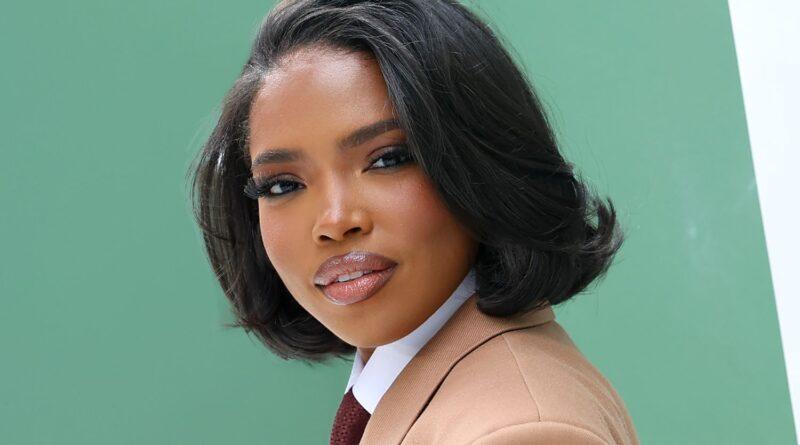
- The low bun. Gathered at the nape, smooth but not severe, with a few soft pieces left loose at the front. It is the single most old money style there is, and it suits almost everyone.
- The soft blowout. Bouncy at the root, turned gently under at the ends. The goal is volume and movement, never stiffness. Face-framing layers make it read more expensive.
- The sleek low ponytail. Parted in the center, gathered low, tied and left to hang straight. Quiet, precise, and effortless in equal measure.
- The headband. A thicker velvet or leather-wrapped band pushed back to lift the roots. The fastest way to borrow the aesthetic with zero skill required.
- Soft waves. Loose, brushed-out waves with no defined curl. Set on rollers or a large barrel, then brushed through until they look like they fell that way.
For occasions that call for something more finished, an elegant updo built on the same low, smooth principles carries the look into evening.
Seeing how each of these looks translates across different hair textures is genuinely useful before you commit to one. Instead of guessing how a trend will look, resources like Glow With Life offer practical breakdowns that match specific hairstyles to your exact hair texture and face shape.
How do you get the look on your hair type?
The old money aesthetic is achievable on every hair type, but the preparation differs. The finish should always read smooth and healthy, and how you get there depends on your texture.
| Hair type | The challenge | What to do |
| Fine, straight | Falls flat, looks thin | Volume at the root, rollers or a round brush, texture spray before a bun |
| Thick, coarse | Reads heavy or stiff | A smoothing cream, avoid over-setting, let the weight work for you |
| Wavy | The most natural fit | Enhance the wave with a light product, brush out for softness |
| Curly, coily | Loses shape when forced flat | Work with the pattern, a defined low bun or smoothed edges reads polished without straightening |
The mistake people make is assuming old money means straight. It does not. A well-defined curl worn in a low bun or smoothed at the edges reads just as expensive as a blowout. The common factor is condition and neatness, not texture.
Fine hair benefits most from setting the style the night before or using rollers for lasting volume. Thick hair needs less help holding a shape and more help looking soft rather than severe.
Does old money hair suit every face shape?
Yes, because the aesthetic is about adjustment, not a single style. The trick is choosing the variation that flatters your face shape rather than forcing one specific look.
- Round faces benefit from height at the crown and softness at the jaw. A blowout with volume up top or a low bun with loose front pieces works well.
- Square faces soften with waves and side-swept pieces that break the angles. Avoid anything too severe or centered.
- Heart-shaped faces are balanced by styles with a little width near the jaw, like soft waves or a lower, fuller bun.
- Oval faces suit nearly all of these looks, including the sleekest center-parted styles.
The adjustment is small but it matters. The same low bun sits differently depending on where you place it and how much you leave loose at the front.
Why maintenance matters more than the style
No old money hairstyle works on damaged hair. The entire aesthetic rests on hair that looks healthy, which means the grooming underneath the style matters more than the style itself.
Regular trims keep ends smooth, which is what separates an expensive-looking blowout from a frizzy one. Consistent conditioning and scalp care give hair the natural shine the look depends on. This is the least glamorous part of the aesthetic and the most important.
If your ends look dry or your hair reads dull, no amount of styling will produce the effect. Building a simple, consistent hair care routine does more for the old money look than any single technique.
The same principle applies when you dress for an occasion. A polished style only works when the hair underneath is healthy, and matching the look to your outfit and the formality of the evening is what carries the whole thing from everyday to elegant.
Frequently Asked Questions
What is an old money hairstyle?
A hairstyle that looks polished, understated, and well-maintained rather than trendy. The aesthetic signals grooming and timelessness, with low buns, soft blowouts, and simple accessories being the core looks.
Do you need expensive products for old money hair?
No. The look depends on healthy, well-groomed hair and understated styling, not on specific products. Regular trims and consistent conditioning matter far more than price.
What hair accessories look old money?
Simple, matte accessories in real materials: velvet or leather-wrapped headbands, plain gold pins, silk scarves. Avoid anything oversized, logo-heavy, or obviously embellished.
Can you have old money hair with curly hair?
Yes. A defined low bun, smoothed edges, or loose brushed-out curls all read as polished. The aesthetic is about neatness and condition, not straightness.
The Bottom Line
- Old money hair looks expensive because it looks cared for and understated, not because of any single style.
- The reliable looks are the low bun, soft blowout, sleek low ponytail, headband, and loose waves.
- The effect works on every hair type and face shape with small adjustments.
- Healthy, well-maintained hair is the real foundation. Style comes second.
The aesthetic rewards restraint over effort, which is why it has outlasted every trend that tried to replace it. Get the condition right, keep the styling quiet, and the expensive look follows on its own.